REVIEW · PALERMO
Palermo: Pasta & Tiramisu Cooking Class at a Local’s Home
Book on GetYourGuide →Operated by Cesarine · Bookable on GetYourGuide
Fresh pasta happens fast when you roll it yourself. In Palermo, this hands-on pasta and tiramisu class puts you in a real home kitchen, learning technique for sfoglia and classic Sicilian flavor through an established network of local cooks.
I especially love the hands-on pasta-making part—rolling the dough by hand and working through the steps, not just watching. You’ll also get a warm aperitivo before the cooking really kicks in.
I also like that the evening doesn’t end with dinner chaos—it includes tiramisu instruction and tasting as part of the same 3-hour flow, with hosts known for patient, clear teaching (names you may meet include Alice, Gianpiero, and Rosa Maria). One consideration: it’s held in a private home, so the full address is only shared after booking for privacy, and it’s not suitable for wheelchair users.
In This Review
- Key things to look forward to
- Why this Palermo pasta class beats a typical cooking demo
- Cesarine home cooks: what the network changes for you
- The 3-hour flow: aperitivo first, then pasta, then tiramisu
- Rolling sfoglia by hand: the skill you’ll remember
- Two pasta types from scratch: building confidence, not just eating
- Tiramisu timing: turning dessert into part of the lesson
- What you’ll drink and eat: the meal is part of the ticket price
- Price and value: what $152.93 buys you in Palermo
- Who should book this class, and who should skip it
- Practical tips for showing up when the address comes later
- Should you book Palermo Pasta & Tiramisu at a Local’s Home?
- FAQ
- Where is the cooking class located?
- What’s included with the $152.93 price?
- How long is the experience, and when does it start?
- What dishes will I learn to make?
- What language will the instructor use?
- Is it suitable for wheelchair users?
- Is there free cancellation?
Key things to look forward to
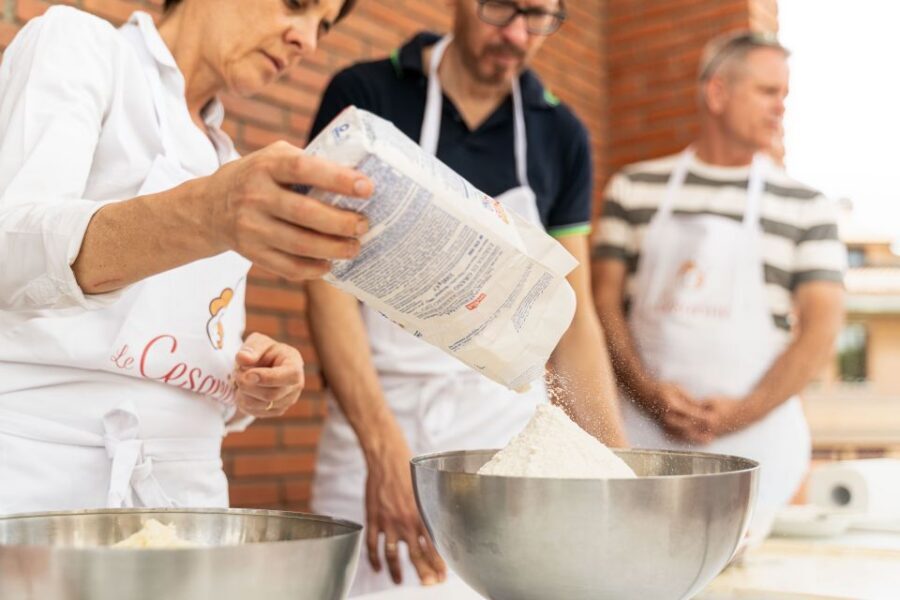
- Hand-rolled sfoglia: make fresh pasta dough by hand
- Two pasta types: you learn more than one iconic shape and method
- Tiramisu included: dessert instruction built into the timing of the meal
- Aperitivo at home: prosecco and nibbles to start things off
- Cesarine home cooks: an Italy-wide network (over 500 cities) of local hosts
Why this Palermo pasta class beats a typical cooking demo
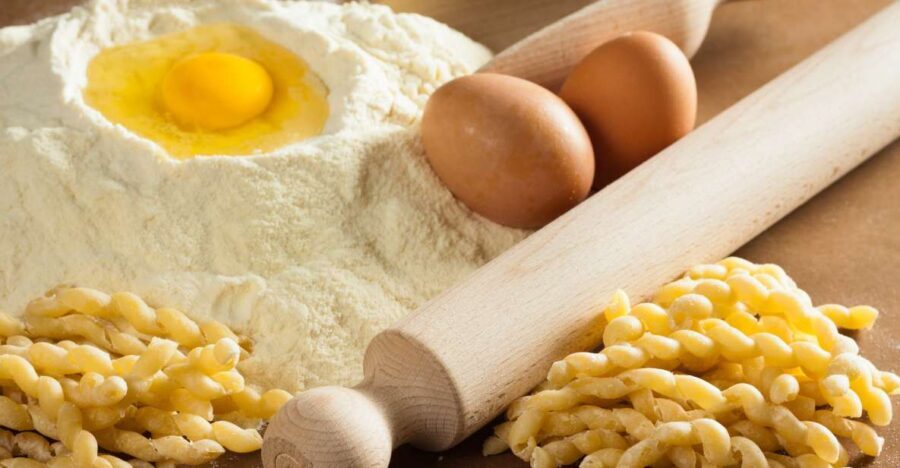
If you’ve ever watched fresh pasta being made and thought, I can do that… then you’ll like this format. The magic here is practical. You work the dough, you learn how it should feel, and you leave with real muscle memory—not just photos.
Palermo is perfect for this kind of experience because the food culture is everyday, not museum-y. You’re not studying pasta like a relic. You’re learning it like a skill you’ll actually use at home. And because it’s in a local home, you get that slightly informal, real-life rhythm that makes the whole evening feel lighter.
You also get a full meal out of it. Many cooking classes hand you a plate and move on. Here, you cook the pasta and the tiramisu, then you taste what you made. That matters because fresh pasta is delicate. When you’ve rolled it and shaped it, you understand instantly why “just any spaghetti” won’t do.
Other cooking classes in Palermo
Cesarine home cooks: what the network changes for you
This class is run through Cesarine, described as the oldest Italy home-cook network, active in more than 500 cities. Translation: you’re not booking a random one-off. You’re booking a system built around local cooks opening their own doors, using their family-specialty approach.
That “home cook” angle is the point. You’re being taught by someone who cooks this way in real life, not by a performance-driven chef who has seen every question already. Cesarine hosts are passionate and welcoming, and they’re meant to serve local specialties from their family cookbooks, so you’re learning technique plus a sense of where it comes from.
Language support is also a big deal. The instructor is listed as Italian and English, which means you won’t be left guessing at key steps. And in practice, the teaching style can vary by host. You might meet people like Alice with Francesco, Gianpiero, or Rosa Maria with her team—each one brings that “you’re in our kitchen” warmth.
The 3-hour flow: aperitivo first, then pasta, then tiramisu
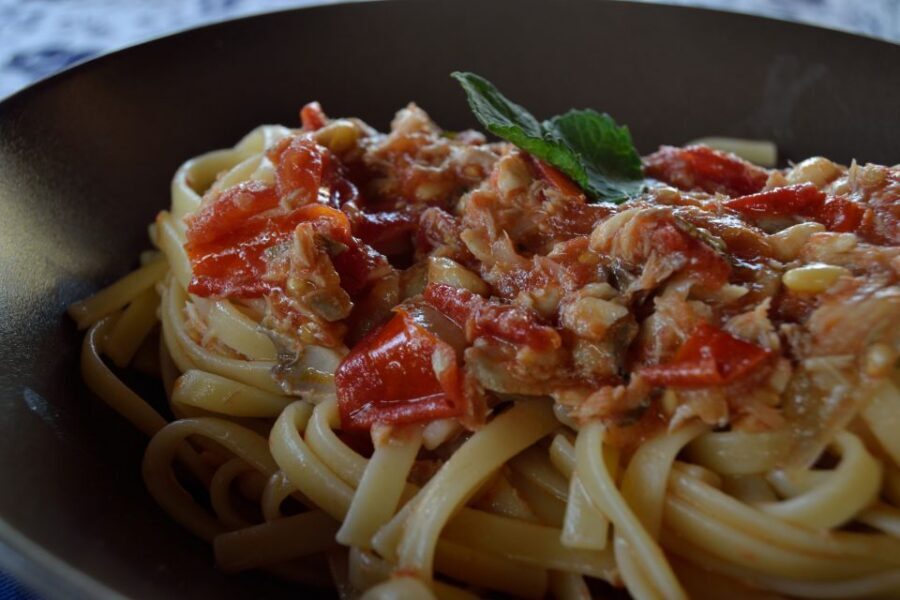
Plan for a smooth arc. The experience is 3 hours, and starting times vary—so check availability for what works with your day in Palermo.
Here’s the structure you can expect:
- You start with an Italian aperitivo: prosecco and nibbles, plus something to sip (water, coffee later, and wine are included overall).
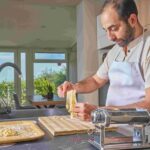
- Then you jump into the dough. You learn to roll sfoglia by hand.
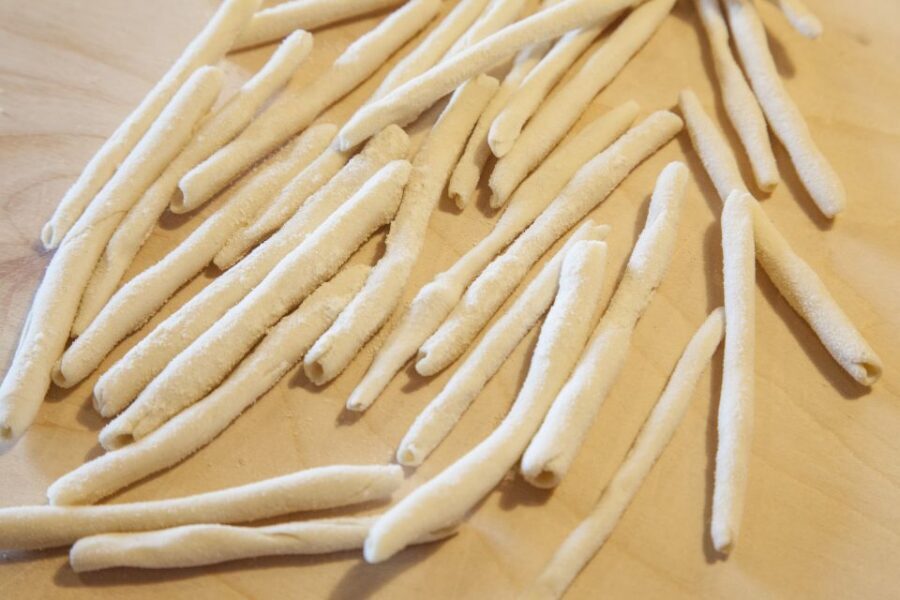
- You’ll make two iconic pasta types from scratch.
- While timing keeps everything moving, you also learn tiramisu preparation.
- You finish with tasting and eating the pasta you made, plus tasting the tiramisu.
That pacing matters. Fresh dough has its own timetable. Tiramisu also benefits from rest time. One of the smartest details in this class is how the host can teach tiramisu while the pasta dough is resting, so you’re not stuck waiting around or losing time. You stay busy, and you learn both savory and sweet without the session feeling stretched.
And since it ends back at the meeting point, it’s a contained evening. You can build your other plans around it.
Rolling sfoglia by hand: the skill you’ll remember
The star of the evening is learning sfoglia, fresh pasta dough, with your own hands. This is where your brain learns faster than your camera roll.
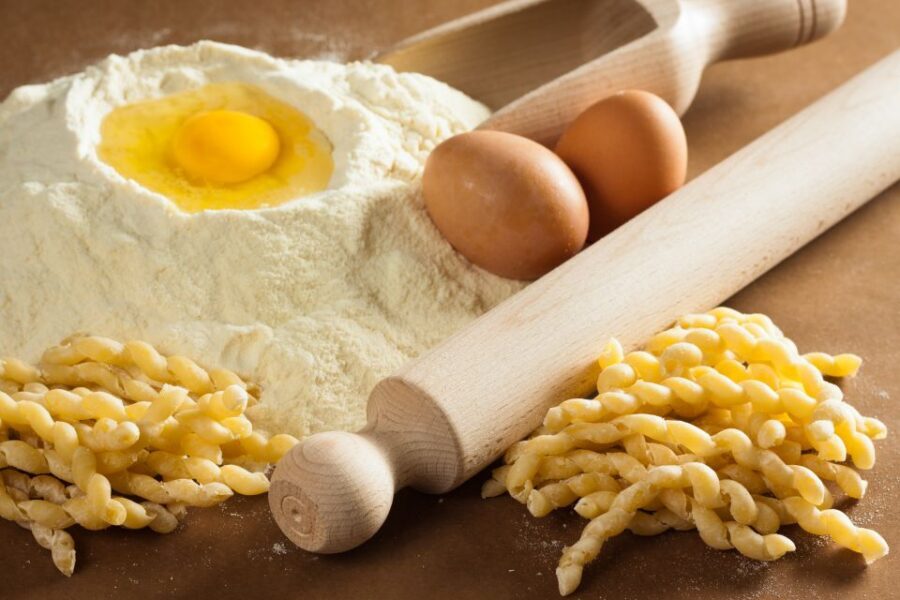
You’ll be shown how to work flour, eggs, and technique into a dough that’s stretchy but not sticky, and how to roll it so it’s thin enough to feel delicate without tearing. You’re not just mixing ingredients. You’re learning touch: the difference between “too dry” and “too soft,” and how the dough changes as you work it.
The payoff is huge. Most people can cook pasta once they boil water. Far fewer people can make fresh pasta that tastes like actual effort. When you roll the dough yourself, you start noticing why Italian pasta has that clean, delicate bite. It’s not just taste—it’s texture, and you’ll understand it by the end.
Also, hands-on classes create good conversation without forcing it. As you work the dough, you’ll naturally compare notes with whoever is cooking at your side. That’s how the evening becomes fun, not tense.
Two pasta types from scratch: building confidence, not just eating
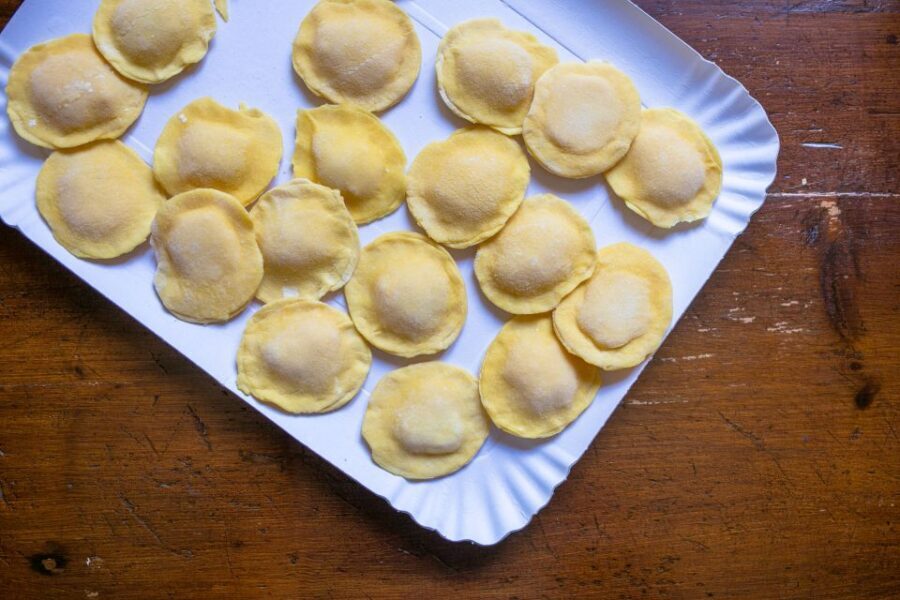
A strong class doesn’t overwhelm you with ten different recipes. This one teaches two iconic pasta types, which is the sweet spot for learning real method.
You’ll likely rotate through a couple techniques:
- dough handling and rolling
- shaping steps
- cooking timing and how to avoid soggy results
Even without going full “pasta scientist,” making two types teaches you the logic of Italian home cooking. You see how one method fits certain shapes, and you feel how small decisions—thickness, shaping tightness, handling—change the final bite.
One thing I appreciate is that these are presented as simple, practical dishes. You’re not being asked to build a sauce empire. The goal is to understand the pasta and the basics that make it taste right.
If you enjoy cooking and want a hands-on souvenir besides the food, this is a better use of your time than a long tour where you’re mostly standing around. You leave knowing how to do the job.
A few more Palermo tours and experiences worth a look
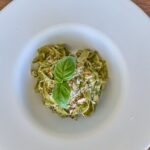
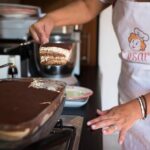
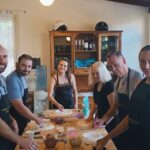

Tiramisu timing: turning dessert into part of the lesson
Tiramisu is the obvious crowd-pleaser, and the class treats it like more than just a finale. You’re taught tiramisu as part of the production rhythm of the evening.
The key detail is timing. Tiramisu involves steps that benefit from rest. In classes like this, the pacing often lines up so you work on tiramisu while the pasta dough rests. That keeps you moving and makes the class feel coordinated, not like two unrelated activities stapled together.
You’ll learn how it comes together and how to build it so it sets properly. And because it’s made in the same home kitchen where you’re cooking everything else, it feels like one continuous meal rather than a separate cooking contest at the end.
Then you taste it. That tasting matters because tiramisu isn’t just sweet; it’s texture. When you make it yourself, you notice the cream consistency and balance in a way you’d never get from buying it.
What you’ll drink and eat: the meal is part of the ticket price
The package includes:
- water, wines, and coffee
- an Italian aperitivo with prosecco and nibbles
- local taxes
- pasta and tiramisu making, plus tasting of what you cooked
This is one of those cases where the price starts to make sense once you see what’s included. You’re paying for ingredients, instruction, and a full evening of food—plus alcohol if you choose it—rather than paying only for the class portion and then needing to spend extra at a restaurant afterward.
Aperitivo first is a nice touch because it sets the mood. You’re not hungry and stressed while you learn technique. You’re warmed up, and you can settle into the kitchen.
You may also encounter extra home touches depending on the host—some have shared homemade jams and limoncello in addition to the standard aperitivo. Don’t count on extras, but it’s a good reminder that the experience is genuinely personal.
Price and value: what $152.93 buys you in Palermo
At $152.93 per person for about 3 hours, this isn’t a bargain in the “cheap and cheerful” sense. But it also isn’t overpriced when you look at the full deal: you’re learning fresh pasta, making tiramisu, and eating what you make with drinks included.
Here’s how I think about value for experiences like this:
- Skill value: rolling and shaping fresh pasta is hard to learn from a cookbook.
- Food value: you’re not just tasting bites; you’re taking part in a complete meal.
- Convenience value: no searching for a restaurant plan, and no figuring out where to buy ingredients and tools.
- Cultural value: it’s served from a home, not a production line.
Also, you’re paying for coordination. A host has to plan timing so dough rests work, sauces and cooking happen at the right moment, and dessert stays on track. That’s not “free.” You’re buying an evening that runs like a real dinner party.
If you love cooking, this is often worth it. If you’re only mildly interested in food technique, you might feel like it’s too much structure and cost. Be honest about what you want your time in Palermo to do.
Who should book this class, and who should skip it
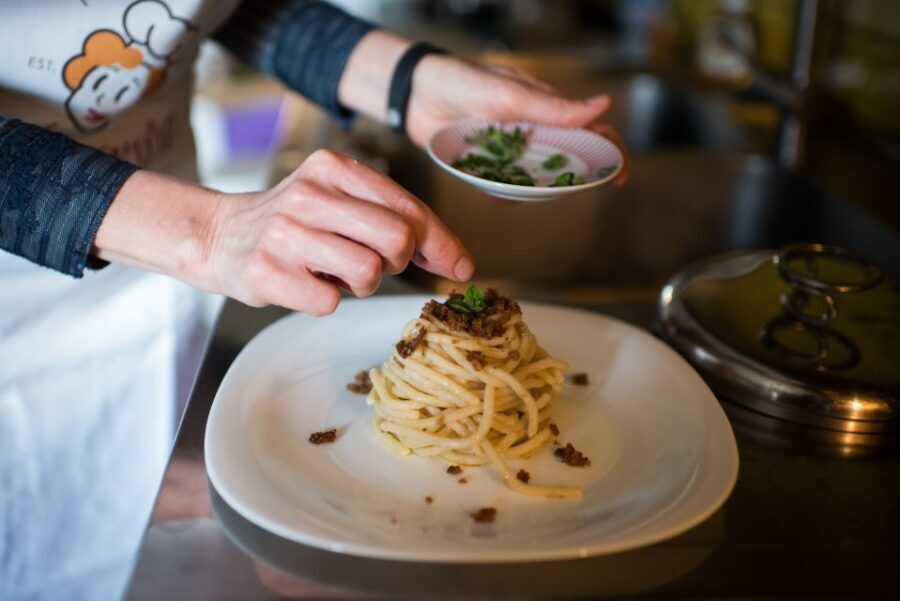
This fits best if you want:
- hands-on cooking in a small, intimate home setting
- fresh pasta skills you can repeat
- a full meal experience built around Italian comfort food
It’s also ideal for couples or small groups who want conversation without loud restaurant energy. Plenty of hosts are known for being patient and friendly, and the pacing keeps the evening from dragging.
Skip it if:
- you need wheelchair access, because the experience is listed as not suitable for wheelchair users
- you don’t enjoy active, hands-on work in the kitchen (you won’t want to stand back the whole time)
It’s also worth considering your day schedule. In a city like Palermo, you’ll want a clear pocket of time for a 3-hour cooking session plus travel to the meeting point.
Practical tips for showing up when the address comes later
A small detail that can matter: for privacy, you only receive the full address after you book. That’s normal for home-based experiences, but it changes how you plan.
My advice:
- Confirm your host details as soon as you get them, then map the walking/transport route.
- Give yourself extra buffer time. Home kitchens can be easy to find once you have the exact address, but you don’t want to arrive rushing.
- Eat lightly beforehand if you’re easily stuffed. The aperitivo plus the meal means you’ll be properly fed.
Also, since the class is in a home, dress for comfort. You’ll likely handle dough, wipe hands, and spend time in a kitchen environment that’s lived-in, not lab-clean.
Should you book Palermo Pasta & Tiramisu at a Local’s Home?
If you want one high-impact food experience that goes beyond eating and actually teaches you, I think you should book it. The combination of hand-rolled sfoglia, two pasta types, tiramisu instruction, and a real aperitivo makes this a full evening, not a quick demo.
Choose it especially if you like the idea of learning from a local host in the Cesarine network. Names you could be taught by include Alice with Francesco, Gianpiero, or Rosa Maria with her team—and the common thread is clear, patient instruction and a warm, welcoming kitchen atmosphere.
Skip it only if accessibility needs matter for you, or if you prefer purely observational experiences. Otherwise, this is the kind of night in Palermo that gives you food skills and memories that stick.
FAQ
Where is the cooking class located?
It’s in Sicily, Italy, in a local home in Palermo. For privacy, the full address is shared only after you book.
What’s included with the $152.93 price?
The class includes an Italian aperitivo (prosecco and nibbles), beverages (water, wines, and coffee), local taxes, instruction and ingredients for pasta (two types) and tiramisu, and tasting of what you make.
How long is the experience, and when does it start?
The duration is 3 hours. Starting times vary, so you’ll need to check availability for the schedule.
What dishes will I learn to make?
You’ll learn to roll fresh pasta dough (sfoglia) by hand, make two iconic pasta types from scratch, and prepare tiramisu.
What language will the instructor use?
The instructor provides instruction in Italian and English.
Is it suitable for wheelchair users?
No. The experience is listed as not suitable for wheelchair users.
Is there free cancellation?
Yes. Free cancellation is available up to 24 hours in advance for a full refund.