REVIEW · PALERMO
Palermo: NO Mafia Walking Tour
Book on GetYourGuide →Operated by Addiopizzo Travel · Bookable on GetYourGuide
This tour kills Mafia movie myths fast. Walking Palermo’s center, you learn how Cosa Nostra shaped everyday life and how the anti-mafia movement fought back, street by street. When guides such as Valeria or Linda lead, the story comes with real structure, names, and local context, not sensational soundbites.
I love how the walk links major landmarks like Teatro Massimo and Palermo Cathedral to the mechanics of Mafia power. I also love the practical side you can see in the city: orange stickers on shop windows tied to the ethical consumer campaign pago chi non paga. The main drawback is that the subject matter is heavy, and it’s still a three-hour walk with no museum or monument entrances included.
In This Review
- Key things to know before you go
- Why This Palermo Walk Feels More Real Than Mafia Movie Plots
- The Historic Center Route: Teatro Massimo, Il Capo, and the Anti-Mafia Landmarks
- Orange Stickers on the Cassaro and the Meaning of pago chi non paga
- What the Guides Do in Those 3 Hours (Linda, Valeria, Giuseppe, and More)
- Price and Value: Is $40 Worth It in Palermo?
- How to Plan Your Day in Palermo Around This Tour
- Should You Book the Palermo No Mafia Walking Tour?
- FAQ
- How long is the Palermo No Mafia walking tour?
- What is the price per person?
- Is it a walking tour or does it include other transportation?
- What landmarks and areas will we pass through?
- Are museum or monument entrance tickets included?
- What languages are available?
- What should I bring?
- What’s included in the tour price?
Key things to know before you go
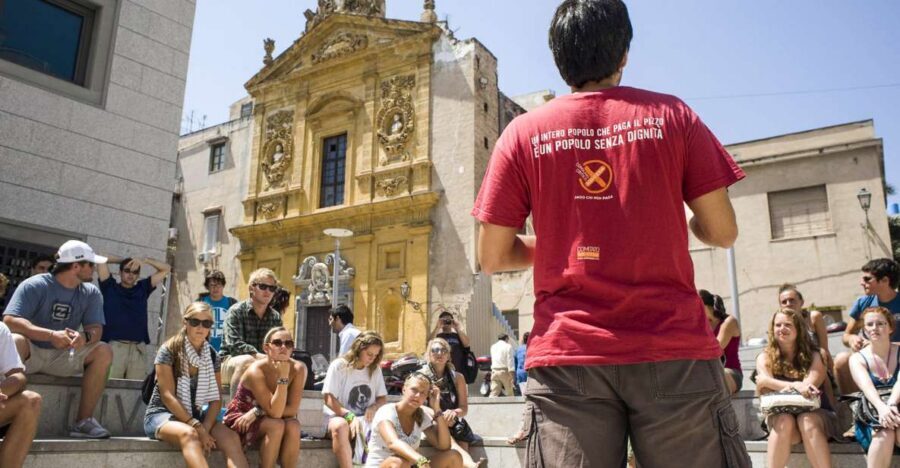
- A story-first walking tour focused on history plus everyday reality, not mafia-gangster folklore
- Major Palermo stops on one route, including Teatro Massimo and the open-air market Il Capo
- Piazza Della Memoria and the memorial wall theme: prosecutors and judges killed by the Mafia
- Cassaro’s orange stickers tied to Addiopizzo’s anti-extortion consumer campaign
- Small-group format that leaves room for questions in English, French, Spanish, or Italian
- Ends with practical tips for what to eat next in Palermo’s old center
Why This Palermo Walk Feels More Real Than Mafia Movie Plots
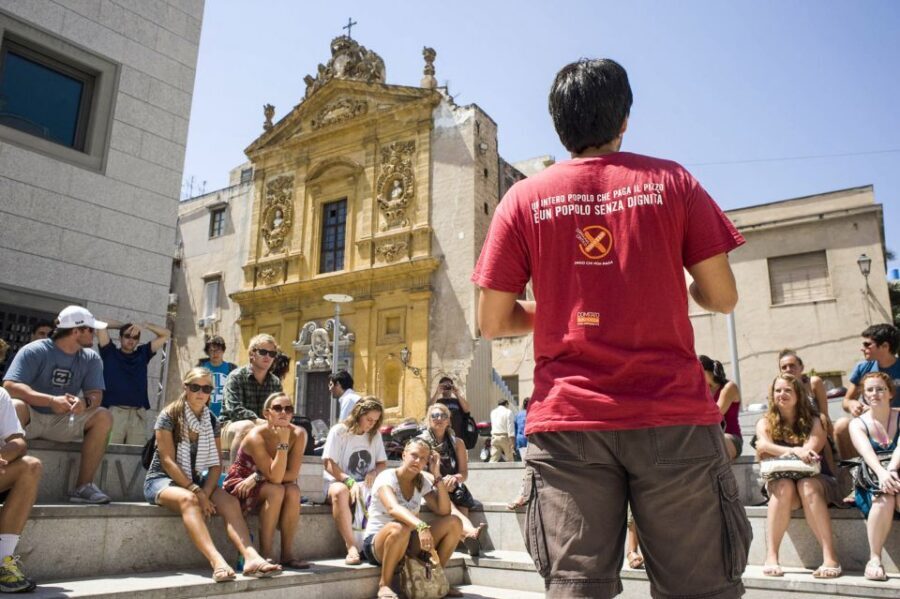
If you’ve seen Mafia-themed TV or films, you already know the problem: it makes the Mafia look like a glamorous world of style and power. This tour flips that. You get the real-world version—how Mafia influence worked through pressure, intimidation, and control, and how people built resistance in ordinary public life.
I like that it’s not trying to shock you with danger or chase “movie locations.” The tour’s goal is understanding. You’ll hear about the Mafia as a social force in Sicily, then you’ll see how the civil anti-mafia movement challenged that power with persistent community action.
That tone matters, because it helps you read Palermo differently while you’re still walking. Afterward, the city stops feeling like just beautiful stone and start-to-finish sightseeing. It becomes a place where choices—especially refusals—carry weight.
Other anti-mafia walking tours in Palermo
The Historic Center Route: Teatro Massimo, Il Capo, and the Anti-Mafia Landmarks
You’ll cover Palermo’s historic core at a walking pace that suits a three-hour overview. The value here is that you’re not cramming in random sights; you’re moving along a narrative route, where each stop explains a different layer of the same story: power, profit, fear, and the pushback.
Here’s what you can expect to see and why it matters:
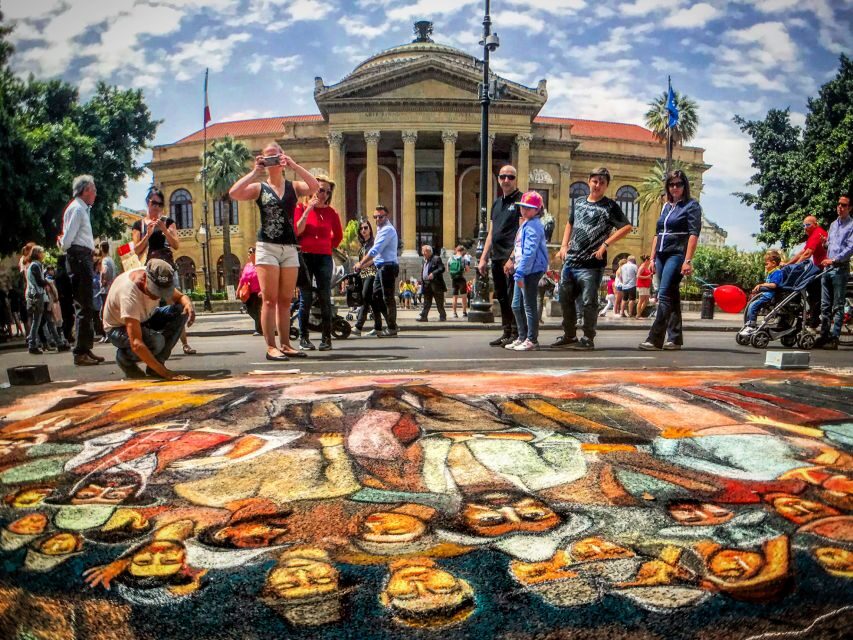
Teatro Massimo
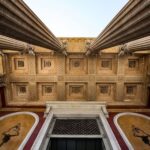
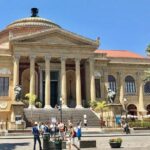
This is one of Palermo’s most striking landmarks, and it works perfectly in the tour’s framing: big institutions and public life sit alongside the smaller mechanisms of intimidation and control. You’re not just looking at architecture. You’re learning how Sicilian society operated under different kinds of pressure.
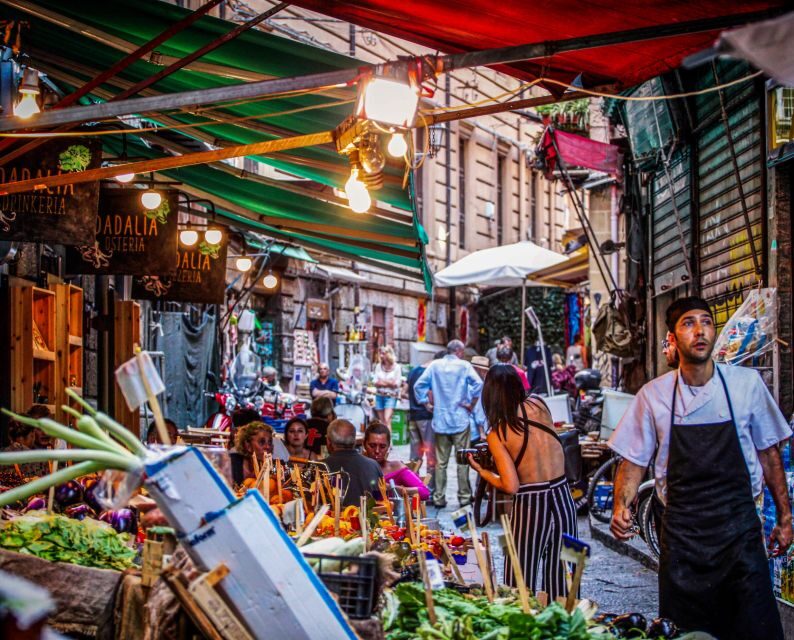
Il Capo (the open-air market)
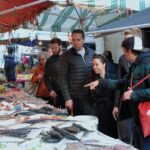
Markets in places like Palermo are more than shopping. They’re social infrastructure—where people meet, trade, and build community. In a tour like this, Il Capo becomes a way to talk about everyday realities: how Mafia power could show up in what people buy, who feels safe to run a business, and what it takes to resist.
Piazza Della Memoria
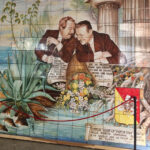
This is the emotional center of the route. The memorial here honors prosecutors and judges killed by the Mafia. It’s a straightforward, powerful stop that anchors the tour in the cost of fighting back—not just the theory of organized crime.
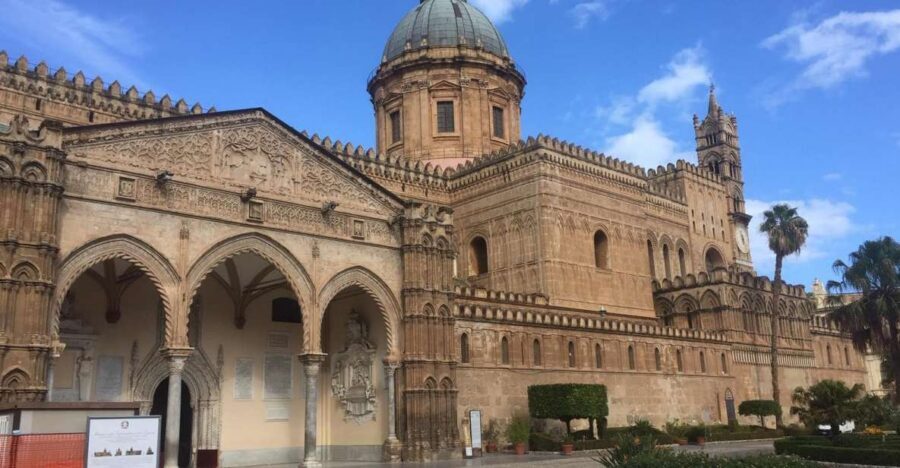
Piazza Beati Paoli and Palermo Cathedral
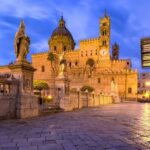
These stops keep the pacing balanced. You’re still in the historic streets, still seeing major landmarks, but the guide uses them to widen the lens: Palermo’s layered past and the way communities endure. Cathedral area scenes also help you understand why people describe anti-mafia work as part of civic identity, not just law enforcement.
City hall and the old-town finish
The tour winds up in Palermo’s old-town core, which is great practical timing. You’ll finish close enough to keep exploring without needing extra transport, and the guide will share ideas for where to taste Sicilian specialties next.
One small extra detail from guide-style feedback: you may also pass by notable city features like the fountain of shame during the route. Even if your exact street pattern differs by day, expect a path through key old-center landmarks.
Orange Stickers on the Cassaro and the Meaning of pago chi non paga
One of the most concrete things you’ll see is the orange sticker campaign on businesses along the Cassaro. The idea is simple but not symbolic: the stickers represent owners who have said no to paying extortion and who joined the ethical consumer effort.
The campaign name is pago chi non paga (I pay who does not pay). Hearing that phrase is one thing. Seeing it attached to real storefronts is another.
This is why I think the tour earns its name No Mafia. It doesn’t just talk about the Mafia as a shadowy myth. It shows the civic strategy used to fight it. Refusal is treated like public action, and you learn how grassroots choices can erode the Mafia’s leverage.
It’s also a surprisingly hopeful theme. Even while the topic stays serious, you walk away with a clearer picture of what “anti-mafia” looks like on the ground: communication, community pressure, and people turning fear into resistance.
What the Guides Do in Those 3 Hours (Linda, Valeria, Giuseppe, and More)
The tour is built for talk-time. That matters in a three-hour format. Based on guide comments across multiple languages, the best version of this experience happens when your guide connects facts to place—so you’re not just collecting names, you’re understanding why those names connect to real streets you’re standing on.
People describe guides such as Giuseppe, Salvatore, Ermes, Attilio, Marinella, Laura, and Claudio as engaging and deeply invested in the subject. Some guides are also praised for strong English and clarity across the group.
You should also expect an approach that encourages questions. Many visitors note that they could ask a lot and get direct answers, which is useful because the topic can get personal and political fast.
One detail I appreciated from the feedback style is that guides may offer a chance to sit in the shade during the long talk stretches. If you’re going in warmer months, that kind of small break helps keep the walk comfortable without breaking the story flow.
Price and Value: Is $40 Worth It in Palermo?
At $40 per person for about three hours, the price only makes sense if you’re buying more than a sightseeing loop. Here, you are.
You get:
- a live guide and the walking tour
- a contribution to the Addiopizzo charitable organization
And importantly, the tour’s value is in the subject matter: it’s not competing with museum ticket prices because entrance fees to monuments and museums are not included. So if your idea of Palermo is mostly churches, palaces, and ticketed attractions, this may feel different from your usual plan. But if you want context that changes how you read the city, it’s a strong deal.
A good way to judge the value for yourself: if you’re the type who wants to understand how Palermo works socially—why certain neighborhoods feel the way they do, what people mean when they talk about civic courage—then $40 is paying for meaning, not just motion.
Also, the credibility signal is strong: the tour has a 4.8 rating from 2,431 bookings, which usually means the format holds up across languages and group types.
Other walking tours we've reviewed in Palermo

How to Plan Your Day in Palermo Around This Tour
I’d plan this earlier rather than later. One reason is practical: the route covers major reference points—Teatro Massimo, Cathedral area sights, Il Capo—so you’ll return to them with a new lens afterward.
It also helps you move through Palermo with less wandering. The guide ends in the center of old Palermo and shares tips on where to eat Sicilian specialties. Even if you already have restaurant ideas, you’ll likely get at least one useful suggestion you can act on right away.
What to bring is simple:
- Comfortable shoes for uneven sidewalks and steady walking
If it’s hot, wear breathable layers. You’ll be outside and moving.
Should You Book the Palermo No Mafia Walking Tour?
Book it if you want Palermo to make sense beyond postcards. This is one of those tours where the payoff isn’t a photo—it’s a shift in understanding. If you care about how civic movements work, how communities resist corruption, and how history shows up in everyday streets, you’ll get a lot out of it.
Skip it or reconsider if you mainly want light entertainment. The topic is serious, and the tour deliberately focuses on the social and human costs of Mafia power and anti-mafia resistance. It’s also not a museum-style experience with indoor ticketed stops.
If you’re trying to choose just one Palermo activity that gives you context for everything else, this is a solid pick—especially if you start your trip here and keep exploring afterward with your eyes turned toward what people chose to do, not just what buildings look like.
FAQ
How long is the Palermo No Mafia walking tour?
It lasts 3 hours.
What is the price per person?
The price is $40 per person.
Is it a walking tour or does it include other transportation?
It’s a walking tour.
What landmarks and areas will we pass through?
You’ll see key historic center spots such as Teatro Massimo, Il Capo, Piazza Della Memoria, Palermo Cathedral, city hall, and Piazza Beati Paoli. The exact route can vary, including where you finish in old Palermo.
Are museum or monument entrance tickets included?
No. Entrance to museums and monuments is not included.
What languages are available?
The live guide is available in Spanish, French, English, and Italian.
What should I bring?
Bring comfortable shoes.
What’s included in the tour price?
You get the guide, the walking tour, and a contribution to the Addiopizzo charitable organization.