REVIEW · PALERMO
Cooking Class in Palermo – fresh pasta and tiramisù
Book on Viator →Bookable on Viator
Flour on your hands, Sicilian comfort on your plate. This Palermo cooking class is built around fresh pasta you make for real, then you follow it up with tiramisù, all in a small hands-on setup with wine and a friendly chef.
I like that the menu is not just theory. You start with a Sicilian welcome platter, then you prep stuffed pasta in two formats with traditional regional flavors, and you finish with a classic tiramisù made step-by-step.
One thing to consider: the food menu includes dairy and cold cuts (like cheeses and sheep’s ricotta), so if you have dietary restrictions, you’ll want to check ahead rather than assume substitutions.
In This Review
- Quick reasons to book
- A Palermo Kitchen in a Former Storage Laboratory
- Start With a Welcome Platter and Sparkling Wine
- Fresh Pasta Workshop: Two Formats, Sicilian Regional Sauces
- Taste, Wine, and Real Table-Time
- Making Tiramisù: Coffee, Mascarpone, and Bitter Cocoa
- Price and Value in Palermo’s Food Scene
- Who This Class Fits Best (and Who Might Want to Skip)
- Getting There: Via dei Biscottari and Timing That Makes Sense
- Final Call: Should You Book This Pasta and Tiramisù Class?
- FAQ
- How long is the Palermo cooking class?
- What does the cooking class include?
- Is the class offered in English?
- What is the group size limit?
- Where does the class start?
- What is the price per person?
- Can I cancel and get a full refund?
Quick reasons to book
- Former storage-lab feel: you cook and eat in a characteristic ex storage laboratory setting, not a sterile demo room
- Two pasta formats, not one: you’ll make fresh stuffed pasta in two different preparations, then season them with traditional recipes
- Local wine at the table: pasta tasting comes with wine, plus sparkling wine for the welcome course
- Chef personality matters: Chef Ugo (often listed as Ugochef) shows up in feedback for teaching style, patience, and hospitality
- Tiramisù as a real finale: coffee, mascarpone cream, and bitter cocoa powder are part of the dessert build
A Palermo Kitchen in a Former Storage Laboratory
This class happens in a working-feeling space: a characteristic ex storage laboratory. That matters more than it sounds. You’re not watching from a distance. You’re standing where the ingredients and tools live, so the whole process feels practical and real.
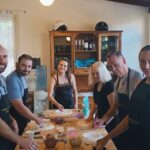
Palermo is a city of good eating, but this is also a city of good learning. The setup is designed for making things with your hands, from pasta dough to assembling dessert. And because the group is capped at 5 travelers, you get time to ask questions without feeling rushed.
Language is also part of the value. The class is offered in English, so you can follow the why behind the technique, not just copy the steps. If you’re the type who wants to understand how to repeat the results at home, that’s a big plus.
Other cooking classes in Palermo
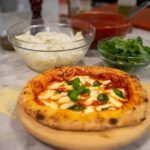
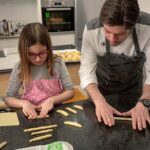
Start With a Welcome Platter and Sparkling Wine
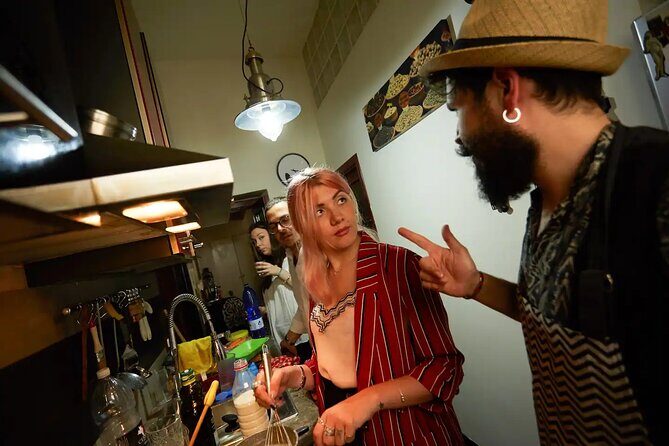
You meet at Via dei Biscottari, 13 (90134 Palermo). It’s near public transportation, so you’re not stuck planning your whole evening around one awkward ride. Arrive on time, because this kind of class runs on momentum.
The first meal moment is a Tagliere di benvenuto—a welcome platter of cold cuts and cheeses. It comes with sparkling wine, which is a nice way to settle in without turning the start into a long ceremony. You get something tasty while the chef sets the tone and gets everyone ready.
This is also a smart pacing choice. You’ll later work with eggs, dough, and filling. Starting with a small sit-down course keeps you energized instead of hungry, and it helps the cooking feel like dinner, not a workshop marathon.
Fresh Pasta Workshop: Two Formats, Sicilian Regional Sauces
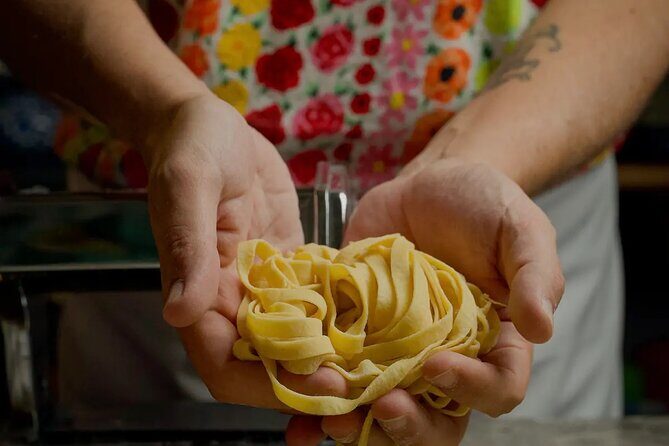
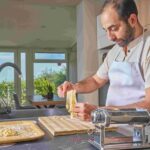
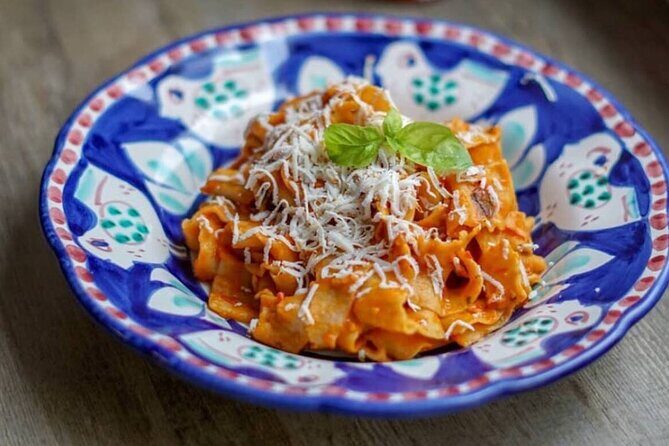
Here’s the core: you prepare fresh, stuffed pasta in two formats and then season them with two traditional recipes from the region. The menu spells out what those flavors become, but the real win is that you handle the steps, not just the final plate.
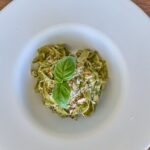
One course is Pasta fresca con pesto siciliano. In practical terms, that’s fresh egg pasta paired with Sicilian dried tomato pesto, fresh sheep’s ricotta, and crunchy almonds. This combo is very Palermo: salty, creamy, nutty, and bright enough to keep the richness from feeling heavy.
The second course is Ravioli ricotta e spinaci. That means fresh ravioli filled with sheep’s ricotta and spinach. Ravioli is where many cooking classes get vague. Here, the focus is on technique for stuffed pasta—so you’re not just learning a sauce, you’re learning structure.
What you should pay attention to during the hands-on parts:
- Dough consistency: the chef’s guidance helps you move from sticky to workable
- Filling balance: enough ricotta for flavor, but not so much that the ravioli become a mess
- Sealing and portioning: the kind of small details that decide whether a dish looks like a homemade win or a floury surprise
Feedback also points to a teaching style that feels patient and approachable. Chef Ugo (sometimes listed as Ugochef) comes through as organized, warm, and willing to explain things clearly. Multiple notes mention he makes conversation easy and keeps the class fun, which matters when you’re learning a technique that takes a few tries.
Taste, Wine, and Real Table-Time
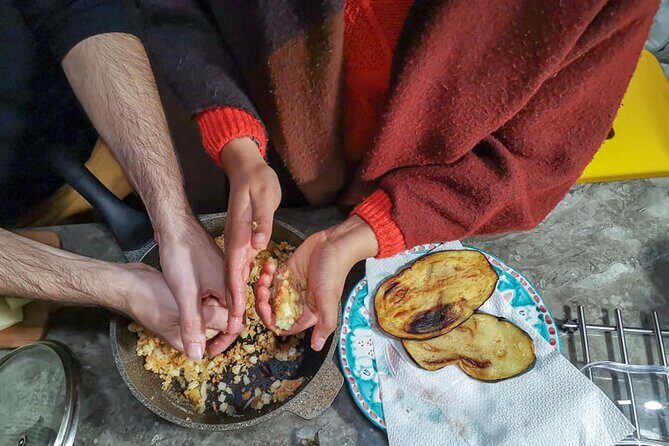
Once the pasta is made, you actually sit down and taste what you cooked, instead of eating off a paper plate while standing over the counter. The pasta is served with local wine, which turns the meal into a proper Sicilian dinner rhythm.
This table-time is where the value really shows. You can connect what the chef taught to what ends up on the fork. If the pesto tastes more intense than you expected, you’ll remember why the ingredients were chosen. If the ravioli holds together better than you feared, you’ll understand how the dough and sealing work together.
The experience is also described as social in a good way. People mention easy conversation, nice music, and the chef sharing family stories. That kind of storytelling isn’t fluff. In food classes, it’s what makes the recipes feel like part of someone’s life instead of a generic performance.
One extra perk from the feedback: the chef shared pictures of the experience via WhatsApp and provided recipes. That’s helpful because it gives you something to recreate later, not just a full belly and a blurry memory.
Making Tiramisù: Coffee, Mascarpone, and Bitter Cocoa
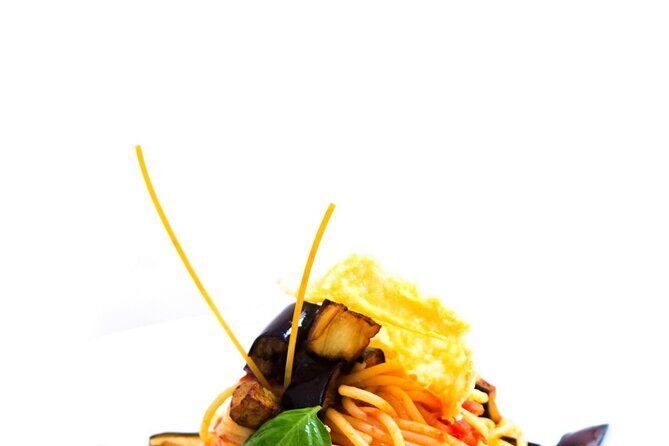
After the pasta portion, you move into dessert: tiramisù, a typical Italian gastronomic culture classic. Here, you don’t just get tiramisù handed to you. You prepare it.
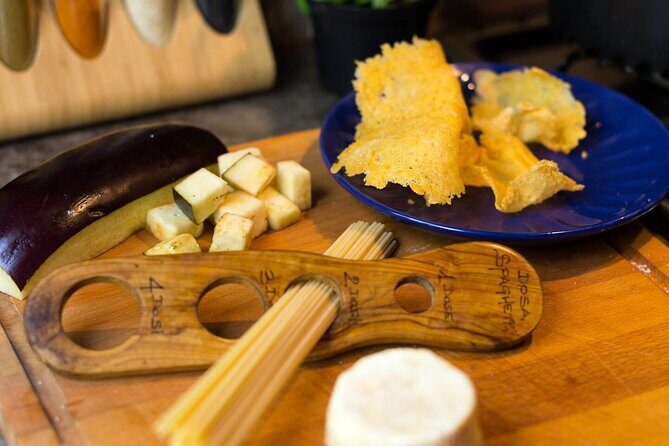
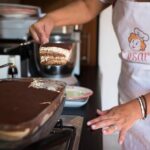
The dessert build is described clearly in the sample menu: a spoon dessert made with coffee, mascarpone cream, and bitter cocoa powder. That trio matters. Coffee gives the bold flavor, mascarpone softens it into something silky, and bitter cocoa adds the snap at the end.
This is a good finale because it shifts from hands-on dough work to assembly. Your brain relaxes a bit, and you can focus on texture: the cream should feel smooth, and the coffee should be used in a way that doesn’t make everything collapse into a soggy layer.
Also, if you’re bringing home one skill from Palermo, tiramisù is usually the one that people repeat. It’s a crowd-pleaser, and the ingredients are available in most places. Even if you’re new to Italian cooking, this is a dessert you can practice without needing fancy equipment.
A few more Palermo tours and experiences worth a look
Price and Value in Palermo’s Food Scene
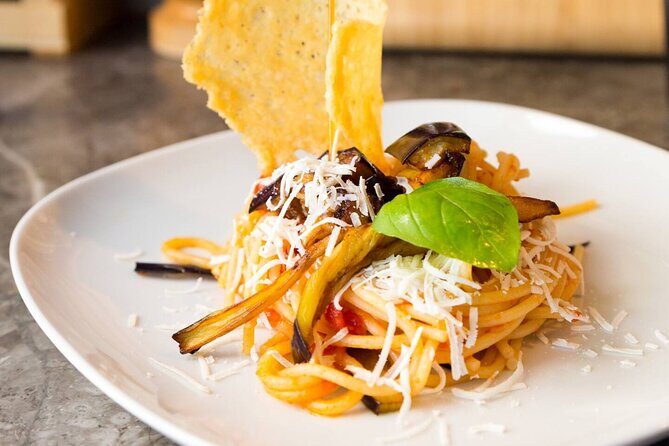
The price is $119.27 per person for about 3 hours. On paper, that can sound like a lot—until you break down what’s included: welcome platter with sparkling wine, two fresh pasta preparations, local wine with the meal, and tiramisù.
Many cooking classes charge similar prices but give you less food time, fewer tastings, or a “watch and snack” experience. This one is structured like a meal you help create. With the group capped at 5 travelers, the chef’s attention is likely to be more personal than in big classes.
You’re also paying for technique and context. The class includes English guidance, plus stories about Palermo cooking traditions and family ingredients. For example, feedback mentions using tomatoes from the chef’s family garden in the pesto course. That kind of ingredient detail is exactly what turns recipes from “I made something” into “I made the real version.”
If you’re comparing options, I’d think about it this way: you’re not just buying dinner. You’re buying a short, concentrated lesson in two classic Sicilian directions—fresh stuffed pasta and tiramisù—and you leave with recipes (and sometimes photos) to remember it by.
Who This Class Fits Best (and Who Might Want to Skip)
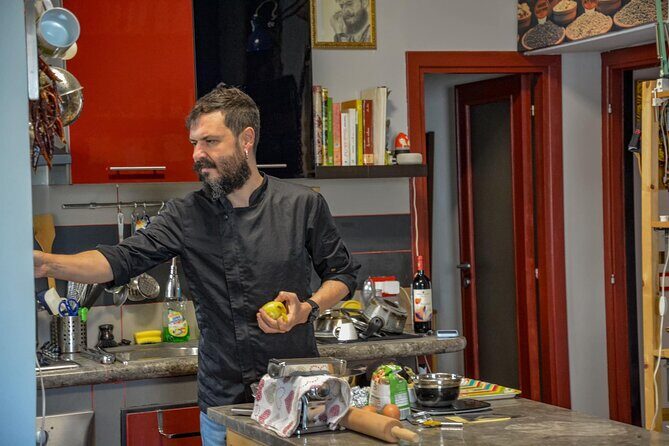
This is a great fit if you want hands-on cooking with a real food rhythm. You’ll be actively making pasta in two formats and then assembling a classic dessert. If you like asking questions and you enjoy learning while eating, you’ll probably have a good time.
It’s also a solid choice for couples and small groups. The class has a minimum of 2 people, and the maximum is 5. That setup tends to feel friendly rather than crowded, and it gives the chef room to correct technique.
It may not be the best fit if:
- You’re looking for a mostly observational class. This one is hands-on. Flour happens.
- You need special dietary adaptations. The menu includes cold cuts and cheeses, plus sheep’s ricotta and spinach. If you avoid certain foods, message ahead.
Weather or season matters less than in walking tours, because you’re mostly in one kitchen setting. So it’s an easy way to keep your Palermo days flexible.
Getting There: Via dei Biscottari and Timing That Makes Sense
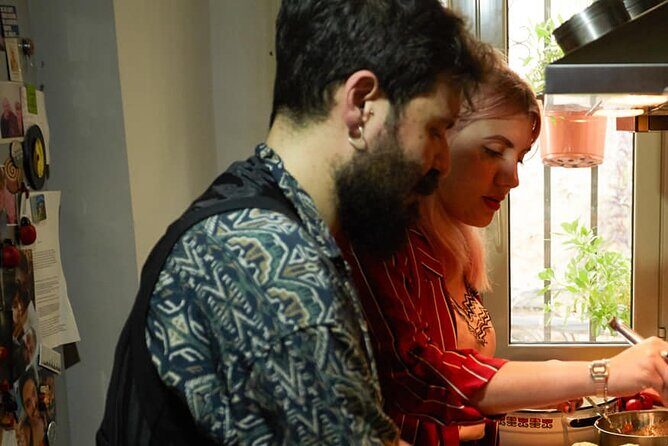
The meeting point is Via dei Biscottari, 13, Palermo. It’s near public transportation, which makes it easier to pair with other parts of your day. The class ends back at the meeting point, so you’re not stranded after dinner with a long trip home.
The duration is about 3 hours, which is a sweet spot. You get a full meal experience without losing your whole evening. Also, the class is confirmed at booking and uses a mobile ticket, so you’re not juggling paper documents.
One small practical note: because it’s a short class, it’s worth keeping it free of tight connections. Plan for a calm arrival so you can start cooking instead of rushing.
Final Call: Should You Book This Pasta and Tiramisù Class?
Book it if you want a small-group, hands-on food experience in Palermo that feels like dinner with a teacher, not a staged demo. The combo of fresh stuffed pasta in two formats, plus tiramisù you prepare yourself, is a strong value for the time. And the repeated praise for the chef’s friendliness and patient teaching style makes it especially appealing if you’re a beginner.
Skip or reconsider if you’re hoping for something mostly passive, or if you know you need dietary changes. The menu includes dairy and cold cuts, so you’ll want to confirm what’s possible before you go.
If you do book, aim to lock it in early. It’s commonly booked about 27 days in advance, so better planning wins you more choice of times.
FAQ
How long is the Palermo cooking class?
The class runs for about 3 hours.
What does the cooking class include?
You’ll make fresh stuffed pasta in two formats, taste what you cooked with local wine, and prepare tiramisù. A welcome platter with sparkling wine is also included.
Is the class offered in English?
Yes, it’s offered in English.
What is the group size limit?
The maximum group size is 5 travelers.
Where does the class start?
It starts at Via dei Biscottari, 13, 90134 Palermo PA, Italy, and ends back at the meeting point.
What is the price per person?
The price is $119.27 per person.
Can I cancel and get a full refund?
Yes. Free cancellation is available up to 24 hours in advance for a full refund. If you cancel less than 24 hours before the start time, the amount paid isn’t refunded.