REVIEW · PALERMO
Sicilian Cooking Class
Book on Viator →Operated by The Sicilian Pantry · Bookable on Viator
Street markets meet a real cooking lesson.
This Palermo class pairs Mercato del Capo ingredient shopping with hands-on Sicilian cooking led by Chef Michael and his assistant Elena, then finishes with a four-course meal and wine. It’s built to help you understand why Sicilian food tastes the way it does, not just how to follow a recipe.
I especially love the way the day starts at the market and turns shopping into a lesson, so you know what to look for and why. I also love the practical cooking pace in an air-conditioned kitchen, ending with a proper sit-down meal: starters, pasta, a main, dessert, plus wine, homemade liqueurs, and coffee.
One possible consideration: if you have severe food allergies, this isn’t recommended. The class asks you to get in touch about dietary needs, but it’s worth checking early so the team can guide you safely.
In This Review
- Key Highlights You’ll Feel on Day One
- Palermo’s Sicilian Cooking Class Starts Where Flavor Starts
- Porta Carini to Mercato del Capo: Shopping for a Sicilian Menu
- The Kitchen Lesson: Hands-On Cooking Without the Stress
- Your Four-Course Sicilian Menu (What You Might Make)
- Starter ideas: panelle, arancine, and carciofi fritti
- Pasta course: fresh pasta with salsa fresca or pasta con le sarde
- Main course: involtini di carne or swordfish panato
- Dessert course: cannoli, cassata, or granita
- Wine, Homemade Liqueurs, and Coffee: The Part You Don’t Skip
- How Much Value Is $118.56 in Palermo?
- Who This Sicilian Cooking Class Suits Best
- Things to Watch Before You Book
- Should You Book This Palermo Sicilian Cooking Class?
- FAQ
- How long is the Sicilian cooking class in Palermo?
- What language is the cooking lesson taught in?
- How big is the group?
- Where do I meet for the class?
- Is the class suitable for people with food allergies?
- Can I get a full refund if I cancel?
Key Highlights You’ll Feel on Day One
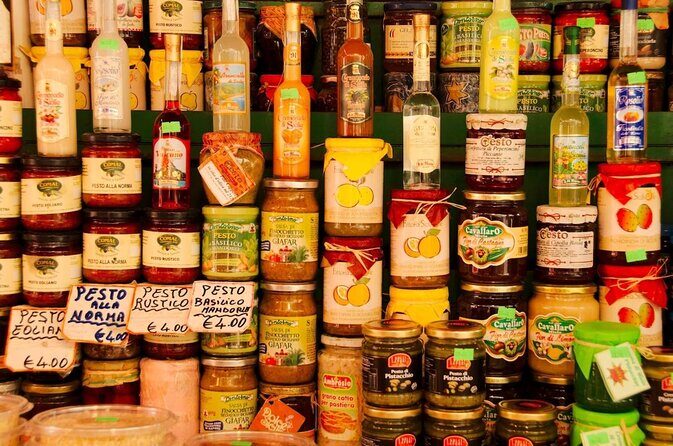
- Mercato del Capo start point: meet near Porta Carini and pick fresh ingredients in Palermo’s old town.
- Small group size (max 8): more hands-on help, faster feedback, and a calmer pace.
- Chef-led, English-speaking instruction: clear explanations from Chef Michael with Elena supporting in the kitchen.
- Air-conditioned cooking school: a big comfort win in Palermo’s warmer stretches.
- Four-course Sicilian meal with pairings: wine, homemade liqueurs, and coffee are part of the deal.
Palermo’s Sicilian Cooking Class Starts Where Flavor Starts
If you’ve ever tasted something in Sicily and wondered how it gets that deep, street-food swagger, this is a smart way to learn. You don’t just eat Sicilian dishes, you help build them, starting with the ingredients at Palermo’s historic market area.
The format matters. You begin outdoors in the old town, then you move into a controlled kitchen setting. That mix is what makes the class feel both authentic and doable, even if you’re not a confident cook.
Chef Michael leads the day, with Elena helping in the kitchen. The vibe is friendly and organized, and the instruction is in English, so you can actually connect the dots instead of guessing.
Other cooking classes in Palermo
Porta Carini to Mercato del Capo: Shopping for a Sicilian Menu
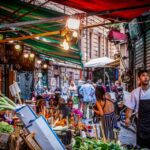
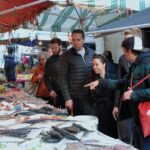
You meet near Porta Carini, right by the entrance to the Mercato del Capo area, then you head into the market to select what the lesson needs. This is not a quick photo stop. It’s time to look at produce, understand what’s seasonal, and learn how Sicilians shop for flavor.
From there, you move on together to the air-conditioned cooking kitchen. Having that short walk-and-shift helps the day flow. You’re not sprinting across Palermo, and you’re not spending the entire time on your feet.
One thing to keep in mind: Palermo markets can behave like… Palermo. If the weather turns, some stalls may be limited, and the market situation can change. When that happens, you might still get a good shopping experience, but it may not look exactly like the sunny-market photos you expect.
Practical tip: wear comfortable shoes. Even in a short walk, markets tend to mean uneven ground and lots of stops.
The Kitchen Lesson: Hands-On Cooking Without the Stress
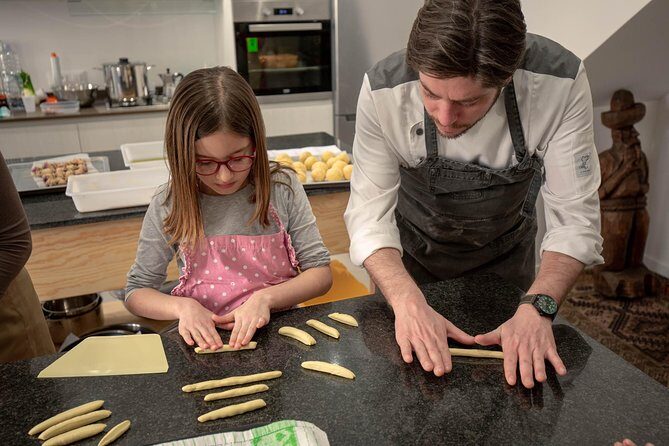
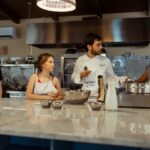
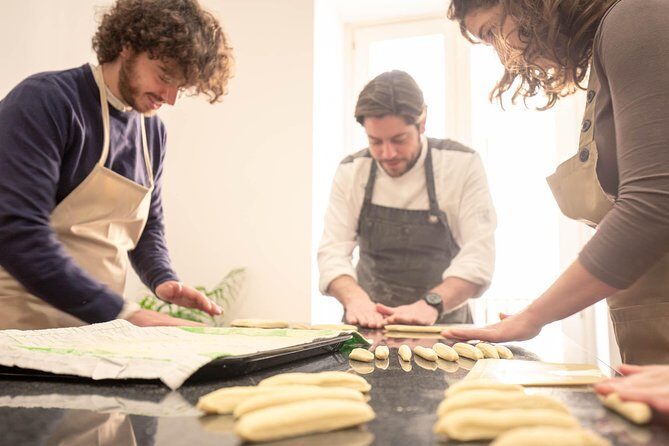
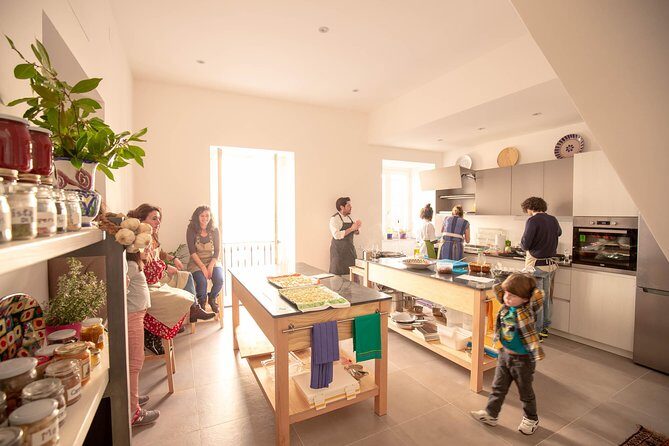
Once you’re in the kitchen, the class shifts into hands-on mode. You’ll be working through multiple steps instead of watching someone else cook. That’s the difference between a tasting and a true cooking lesson.
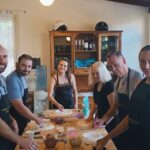
Because the group is capped at a maximum of 8 travelers, you get more attention and more chances to participate. In practice, that means you’re not stuck waiting your turn to chop or stir. The teaching stays organized, and timing is handled so it doesn’t turn into a chaotic scramble.
You’ll also notice how instruction is built around technique, not just memorizing recipes. People leave understanding what they did and why, including small tips for knife work and prep steps. Even if you don’t cook often at home, you’ll come away with a few moves you can actually use.
Also, the cooking school is air-conditioned. That’s a big deal in Palermo, especially when you’re learning while frying, rolling, or baking components.
Your Four-Course Sicilian Menu (What You Might Make)
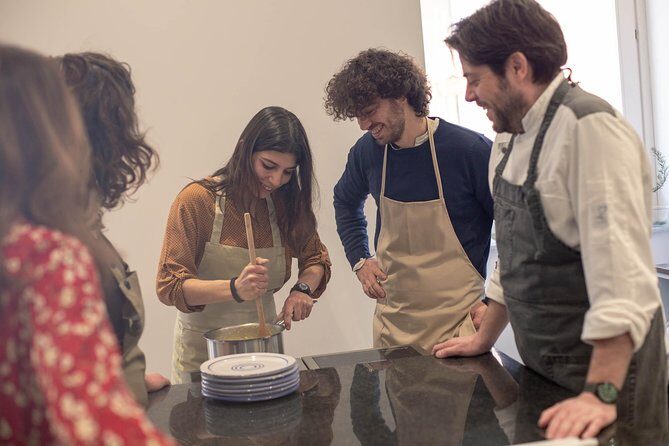
The lesson is designed as a four-course meal: a starter, a pasta course, a main course, and dessert. The exact dishes can vary by the menu for the day, but the options are classic Palermo and Sicily fare.
Starter ideas: panelle, arancine, and carciofi fritti
You might start with Panelle, which are freshly fried chickpea fritters, served with a squeeze of lemon. Panelle are one of those street-food cornerstones that tastes simple but hits hard. The lemon isn’t optional; it wakes up the whole bite.
Another likely starter is Arancine al burro, Palermo’s street-food rice balls with saffron flavoring, stuffed with ham and cheese, then breaded and fried. If you’ve never had a properly made arancina, this is your chance.
You may also see Carciofi fritti: artichokes that are cleaned, quartered, breaded, then fried. It’s a good example of how Sicilian cooking leans into seasonal ingredients and then turns them into something snackable.
A few more Palermo tours and experiences worth a look
Pasta course: fresh pasta with salsa fresca or pasta con le sarde
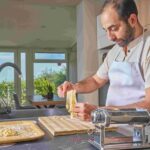
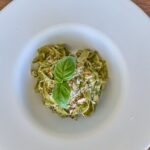
For the pasta course, you’ll likely make Pasta fresca con salsa fresca, meaning you make fresh pasta dough and top it with fresh tomato sauce. This is a practical skill you can bring home, because you’ll learn the process step-by-step instead of relying on shortcuts.
Or you might make Pasta con le sarde, a Palermitan classic with fresh sardines, wild fennel, saffron, currants, and pine nuts, finished with toasted breadcrumbs. This dish is a taste lesson in itself: sweet-cured notes from currants, fragrant fennel, and that saffron warmth.
Main course: involtini di carne or swordfish panato
For the main course, one option is Involtini di carne, thin meat rolls stuffed with cheese, breadcrumbs, currants, and almonds, skewered, breaded, and roasted. It’s family-food comfort with a crunchy, roasted edge.
Another option is Pesce spada panato, swordfish slices dipped in extra-virgin olive oil and coated with breadcrumbs seasoned with parsley, mint, and lemon zest. That herb-and-citrus combo is very Sicilian. It keeps the fish from tasting heavy.
Dessert course: cannoli, cassata, or granita
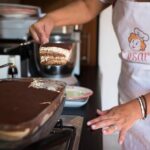
Dessert often means you get the Sicilian favorites in a serious way. Cannoli are the big star: fried pastry tubes filled with sweet ricotta cream, topped with candied orange peel and pistachios from Bronte.
You might also get Cassata, the famous Sicilian cake with almond paste and sponge cake stuffed with sweet ricotta cream, decorated with candied fruit.
And for something icy and easy to love, there’s Granita di mandorle, a frozen dessert made with water, sugar, and almonds. It’s simple, but it’s the kind of simple that tastes special when it’s made well.
Wine, Homemade Liqueurs, and Coffee: The Part You Don’t Skip
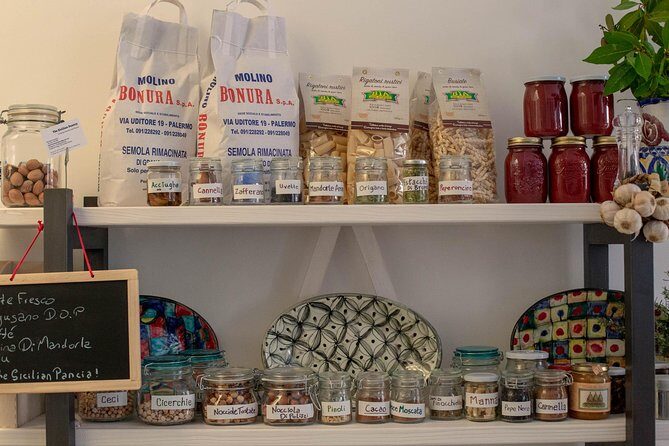
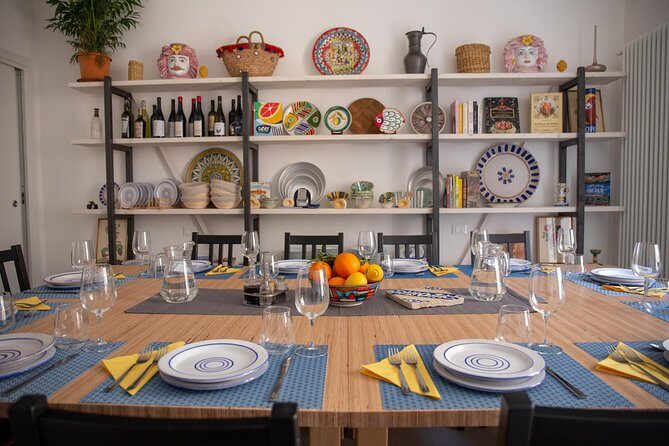
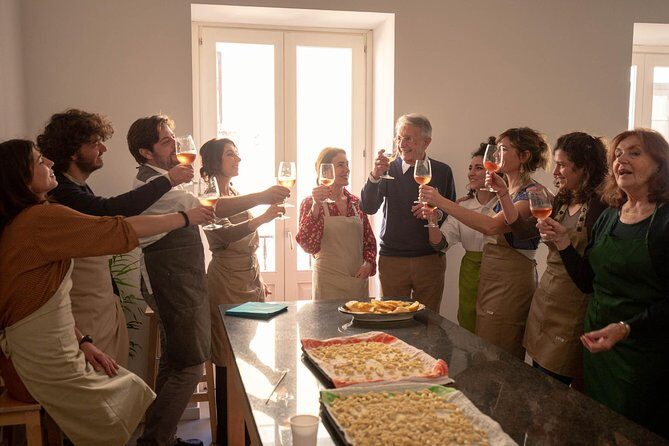
The meal ends as a proper lunch or dinner, not a snack-and-run. You sit down to enjoy what you cooked, paired with a selection of Sicilian wines.
After wine, you round things off with coffee and homemade liqueurs. In particular, people mention an orange liquor as part of the experience. That little final sweetness makes the whole class feel complete, like a night out that also teaches you something.
One comfort note: portioning tends to feel just right. It’s enough food to feel satisfied, and the pace is planned so you’re not stuffed after one course and still hungry at the next.
How Much Value Is $118.56 in Palermo?
At $118.56 per person, you’re paying for more than a cooking demo. You’re paying for (1) market time with ingredient guidance, (2) an English-speaking chef-led, hands-on lesson, (3) multiple courses you helped make, and (4) the pairing drinks and coffee.
In a city like Palermo, it can be tempting to spend money on eating your way through neighborhoods. This is different. You’re paying to learn a set of techniques and recipes you can repeat later. The small group size (max 8) also matters here, because it supports real coaching rather than a big-group show.
If you like cooking, this price often feels fair because you’re getting full meal value plus skill-building. If you’re only looking for a quick bite without effort, you’ll get less from it.
Who This Sicilian Cooking Class Suits Best
This class fits best if you want a more personal Palermo experience than a straight restaurant meal. The market-to-kitchen flow is ideal for food lovers who like to understand ingredients, not just order them.
It also works well for groups who enjoy conversation. Chef Michael tends to keep things friendly, and the small group format supports getting to know people during prep and the meal.
You’ll probably love it even more if you’re aiming for a break from the usual “pizza and gelato only” route through Italy. This is local Sicilian food: panelle, arancine, artichokes fritti, fresh pasta, sardine pasta, swordfish, cannoli, cassata, and granita.
Things to Watch Before You Book
Two practical notes to think about before you lock it in.
First, severe food allergies are a no-go. If you have dietary requirements, contact the operator so they can advise what’s possible.
Second, the cooking setup may involve stairs in the walk from the meet area to the kitchen/dining space. If mobility is an issue, it’s worth asking ahead. You want a class that’s fun, not one where you have to choose between enjoying cooking and managing access.
Should You Book This Palermo Sicilian Cooking Class?
Yes, if you want a hands-on Sicilian experience that starts with real market shopping and ends with a full four-course meal. I think it’s a particularly good pick for first-timers to Palermo, because it gives you a grounded food perspective on the city instead of a random checklist.
Skip it (or at least ask lots of questions first) if you have severe allergies or you’re not comfortable with stairs. And if you hate participating in prep work, choose a tasting instead. This one rewards effort.
If you can handle a morning start around 10:00 am, plan for comfortable shoes, and show up ready to cook, this class is a strong use of time in Palermo.
FAQ
How long is the Sicilian cooking class in Palermo?
The class runs about 4 hours 30 minutes.
What language is the cooking lesson taught in?
The experience is offered in English.
How big is the group?
The tour has a maximum of 8 travelers.
Where do I meet for the class?
You meet at Parcheggio ORLANDO | APCOAP.za Vittorio Emanuele Orlando, 49, 90134 Palermo PA, Italy. The activity ends back at the meeting point.
Is the class suitable for people with food allergies?
It is not recommended for people with severe food allergies. If you have dietary requirements, you should get in touch to let the operator know.
Can I get a full refund if I cancel?
Yes. You can cancel up to 24 hours in advance for a full refund. If you cancel less than 24 hours before the start time, the amount paid is not refunded.