REVIEW · PALERMO
Palermo: Market Tour and Sicilian Cooking Class with Lunch
Book on GetYourGuide →Operated by Towns of Italy · Bookable on GetYourGuide
Sicily tastes better with flour on your hands. This small-group Palermo class pairs a walk through Mercato del Capo with a chef-led 3-course cook-up, and I love the chance to shop for seasonal produce and learn classic Sicilian cooking like arancini. One thing to plan around: this experience is not suitable for celiac or gluten intolerance.
Beyond the food, I like that you get the full arc—pick ingredients in the market, cook with real technique in the kitchen, then eat what you made. The lunch includes unlimited wine, so the vibe stays relaxed and social (bring your appetite).
You also leave with practical take-home tools: a digital recipe booklet and a graduation certificate. If you’re traveling with family, it’s also an easy sell because the pace is hands-on and the schedule stays tight within the 3 to 5 hour window.
In This Review
- Key things I’d look for before you book
- Why Mercado del Capo is the smart start in Palermo
- From market basket to apron: how the cooking class flows
- The 3-course Sicilian menu: arancini, pasta alla norma, cannoli
- Arancini (fried rice meatballs)
- Pasta alla norma (homemade pasta with a signature sauce)
- Cannoli (Sicilian dessert)
- Lunch with unlimited wine: what to expect when you sit down
- What you take home: digital booklet and a real certificate
- Dietary fit: vegetarian friendly, but gluten rules matter
- Price and value: what $65 gets you in real terms
- When the market is closed (or you’re there on a Monday)
- Who this Palermo class is best for
- Should you book it?
Key things I’d look for before you book
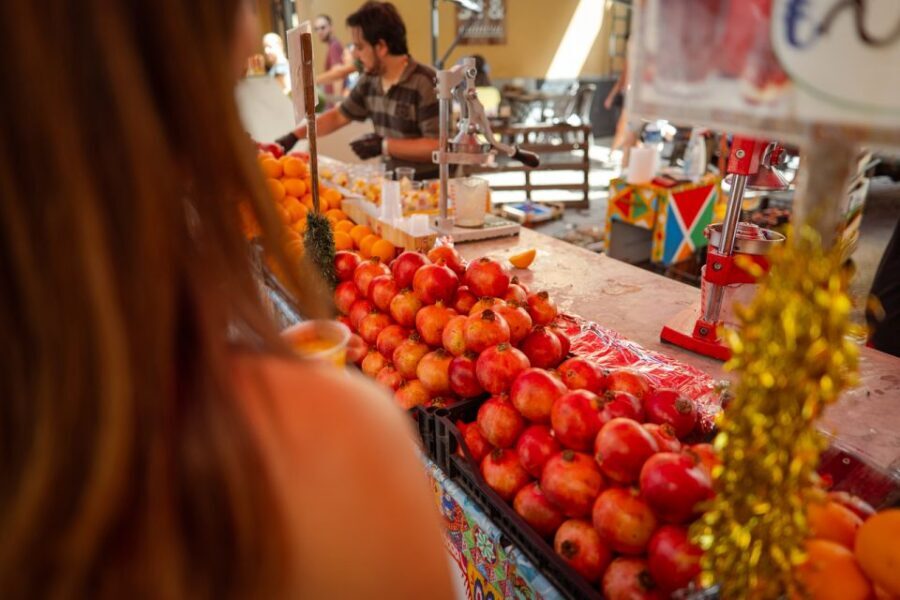
- Mercato del Capo shopping time so you learn what to choose, not just what to eat
- A professional, English-speaking chef guiding you step by step while you cook
- Hands-on work on a 3-course menu (arancini, pasta alla norma, cannoli)
- Lunch with unlimited wine paired with the meal you built in class
- Diet support for vegetarians (but not for celiac or gluten intolerance)
- Market-closure backup plan with extra tastings at the cooking school
Why Mercado del Capo is the smart start in Palermo
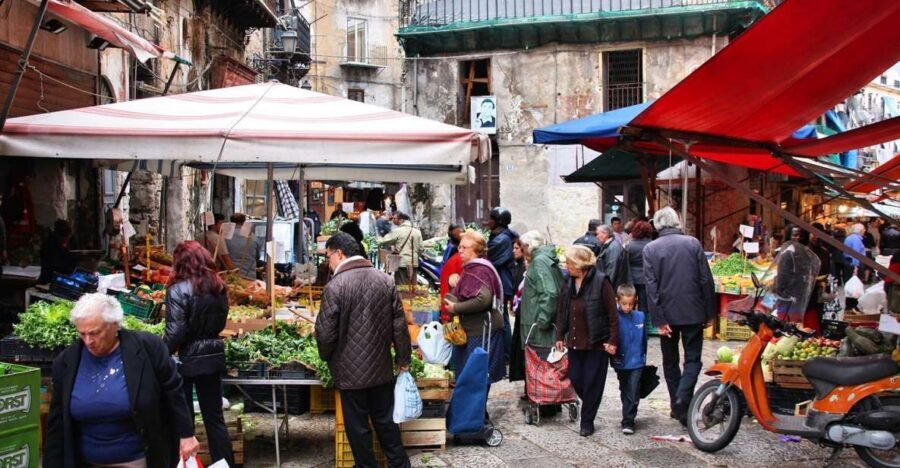
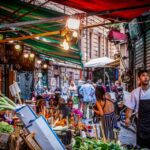
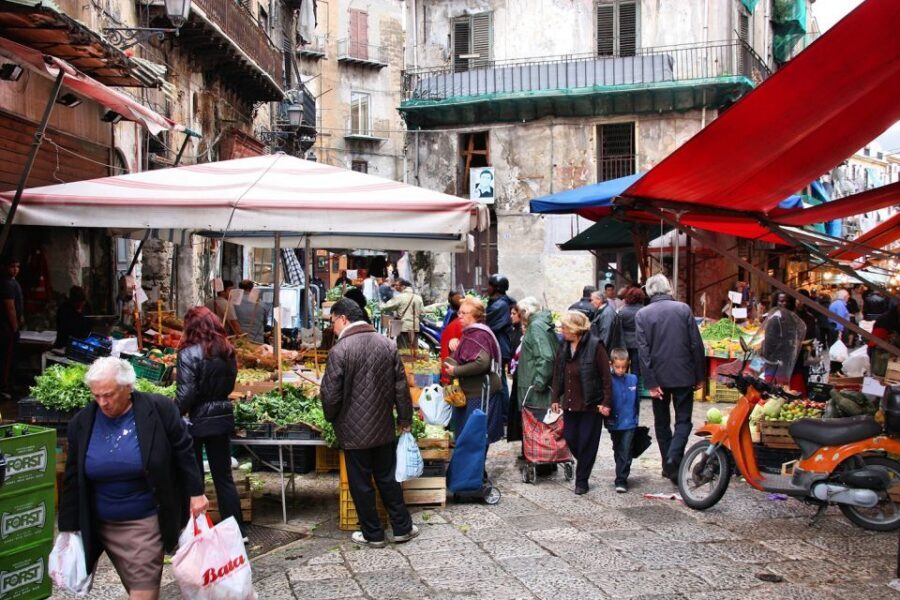
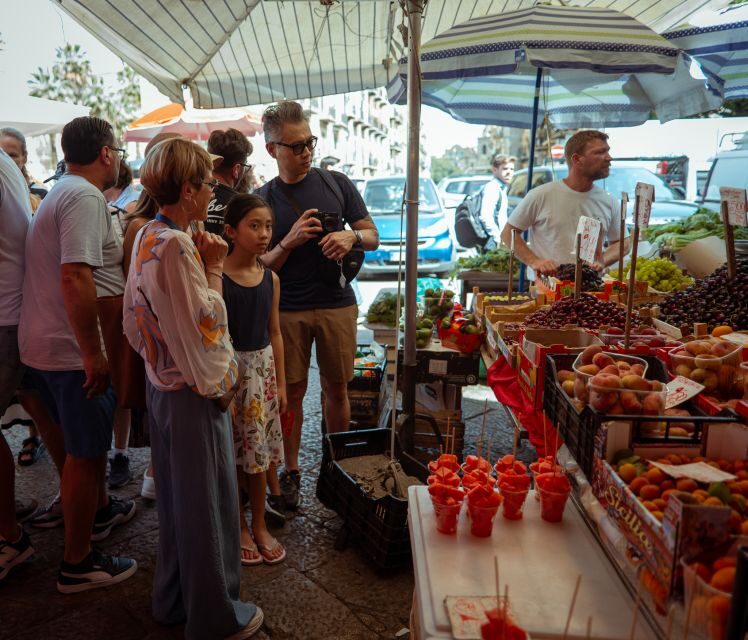
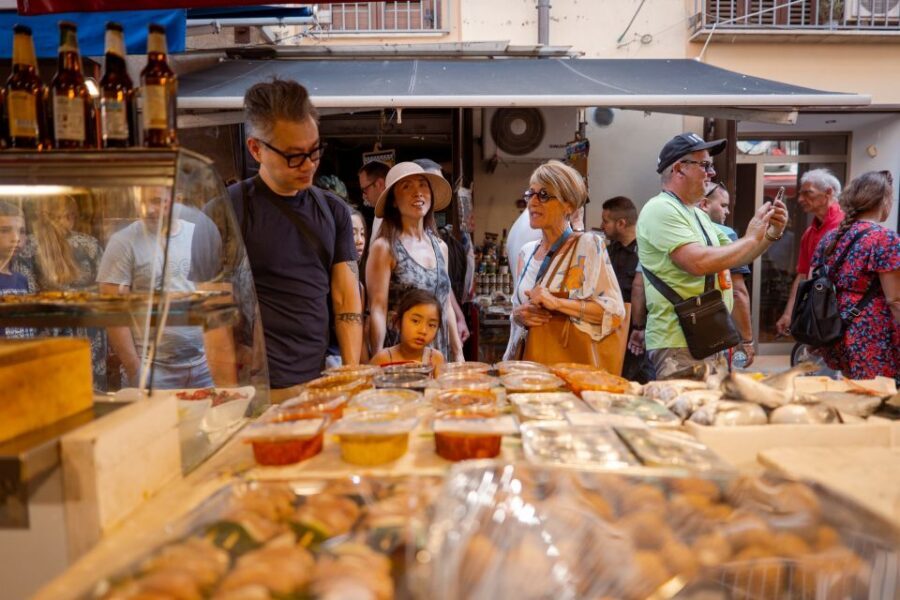
Palermo’s food scene is intense in the best way. Mercado del Capo is where you get your bearings fast—color, smells, and all those small choices that decide whether a dish tastes flat or right. This class begins right there, so the kitchen part makes immediate sense.
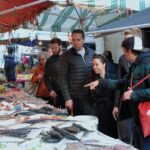
In the market, the focus is practical: you’re guided on how to pick fresh ingredients and how to spot quality. You’ll see what’s in season and you’ll build a mental model of Sicilian shopping—tomatoes that taste like tomatoes, cheese that smells like it should, and produce that holds up once it hits heat.
It’s also a useful way to learn how Sicilians think about cooking. Instead of memorizing recipes, you start learning ingredient logic. That’s why the market stop is more than sightseeing. It’s the first half of the skill you’re actually paying for.
One reality check: a couple of people found the market portion less valuable than they hoped. If you’re the type who wants pure cooking time, you may wish for more hands-on work on specific dishes. Still, the market portion is the part that helps the recipes “click” later.
Other shopping tours in Palermo
From market basket to apron: how the cooking class flows
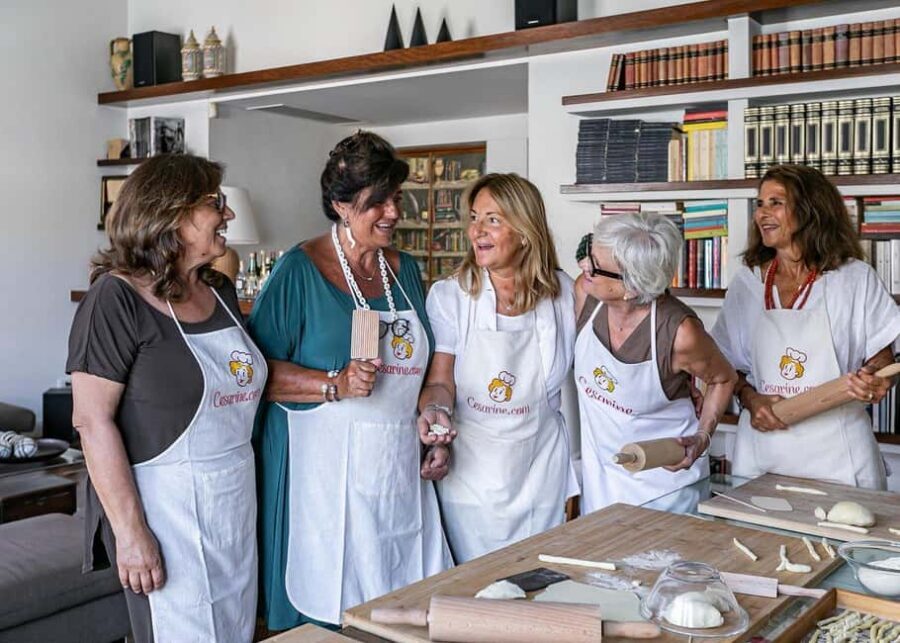
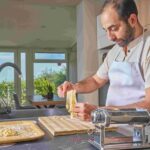
After the market stop, you switch gears quickly. You’ll put on an apron, get cooking tools, and work with a professional chef who leads the group in a highly interactive way. The class is designed for a small group, which matters because you need coaching while you’re stirring, folding, shaping, and frying.
Chef energy comes up again and again in the experience descriptions. Names like Marcello, Salvo, Enza/Enza, Serena, Nadia, Lidia, and Filippo show up across different instructors you might meet. The style is consistent: clear explanations, lots of encouragement, and a warm rhythm that keeps people comfortable even if they’re not confident in the kitchen.
Expect that not everything starts from zero minute one. The schedule is tight, so some components may be prepped ahead to keep the meal moving and to make sure everyone gets hands-on time. That’s not a flaw. It’s how a 3-course class stays fun instead of turning into a long, stressful cram session.
The class keeps you active. You’re not just watching and sampling. You’ll be making key steps yourself—shaping, assembling, and cooking—so when you eat, you understand why each dish turns out the way it does.
The 3-course Sicilian menu: arancini, pasta alla norma, cannoli
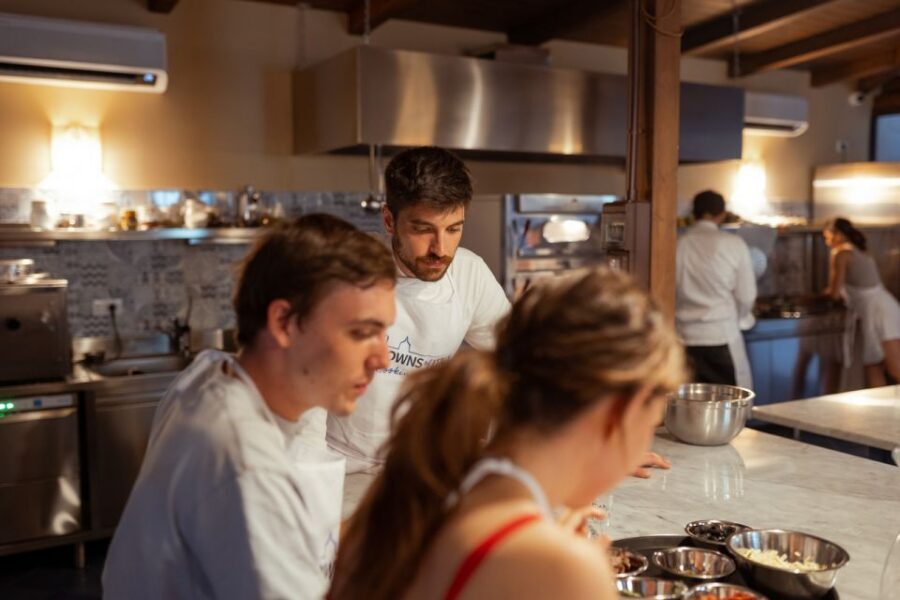
This is the heart of the experience: a 3-course Sicilian meal designed around staples you’ll actually recognize. The exact menu can shift based on seasonal availability, but the most common trio is:
Arancini (fried rice meatballs)
Arancini are iconic for a reason. They’re snack food and comfort food in one bite—crisp outside, tender inside, and usually filled with something savory. Learning to make them in class gives you a real feel for the texture and the shaping tricks.
What’s especially valuable here is technique. You’ll see how cooks build structure so the filling stays put and the outside stays crisp. It’s also the kind of recipe that becomes a home-cooking party piece fast.
Pasta alla norma (homemade pasta with a signature sauce)
Pasta alla norma is Sicilian in a very specific way: it’s bold, simple, and unmistakably local. You may prepare homemade pasta and then combine it with the classic flavors associated with the dish.
This part is great if you want to bring one skill home that feels “real Italian,” not just a simplified version. Even if your first attempt back home isn’t perfect, you’ll understand the logic behind the dish.
A few more Palermo tours and experiences worth a look
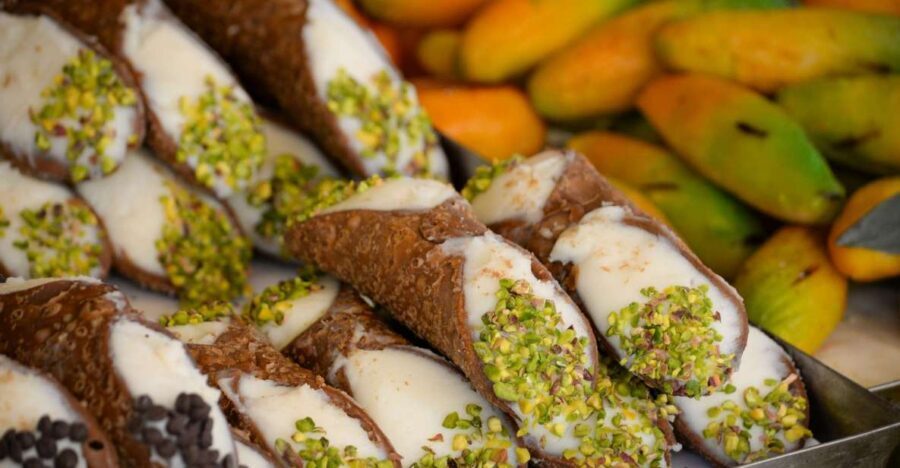
Cannoli (Sicilian dessert)
Cannoli are often the favorite for a reason: they’re dramatic, fun to make, and you get that satisfying payoff at the end. The class includes the famous components—so you’re not just eating dessert, you’re building it.
One practical tip: cannoli take focus. The shell and the filling are different tasks, and pacing matters. If you’re hoping for extra time on dough or filling from start to finish, that’s where individual classes may feel different depending on timing. Still, even with some prep done ahead, you’ll get the real steps and the key “how” behind the taste.
Lunch with unlimited wine: what to expect when you sit down
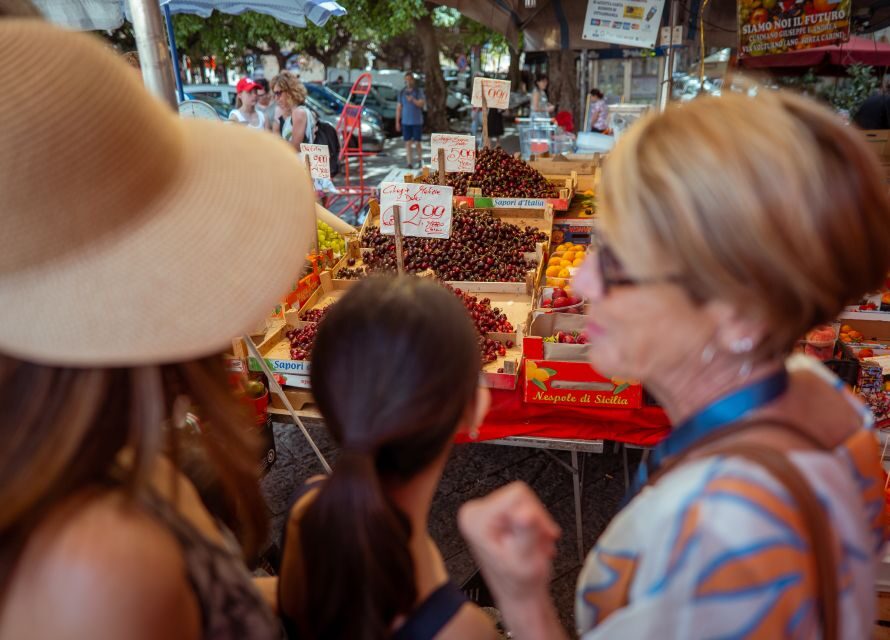
After cooking, you eat. That sounds obvious, but it’s a big deal with cooking classes in tourist cities. Here, lunch is included and comes with unlimited wine. So you’re not rushing out right after the lesson. You get to slow down, talk, and enjoy what you made—while it’s still at its best.
Portions are substantial enough that you likely won’t need food later the same day. That matters in Palermo, where it’s easy to snack your way through the city and accidentally overdo it.
The wine is part of the experience, but you can keep it light if you want. The meal itself is the main event. If you tend to drink less, you’ll still leave full and happy because the class is designed as a true lunch, not a token bite.
There’s also a small comfort factor in the way the day is run: hygiene and organization show up in multiple descriptions, and you’ll have a clean working setup plus water available during the session.
What you take home: digital booklet and a real certificate
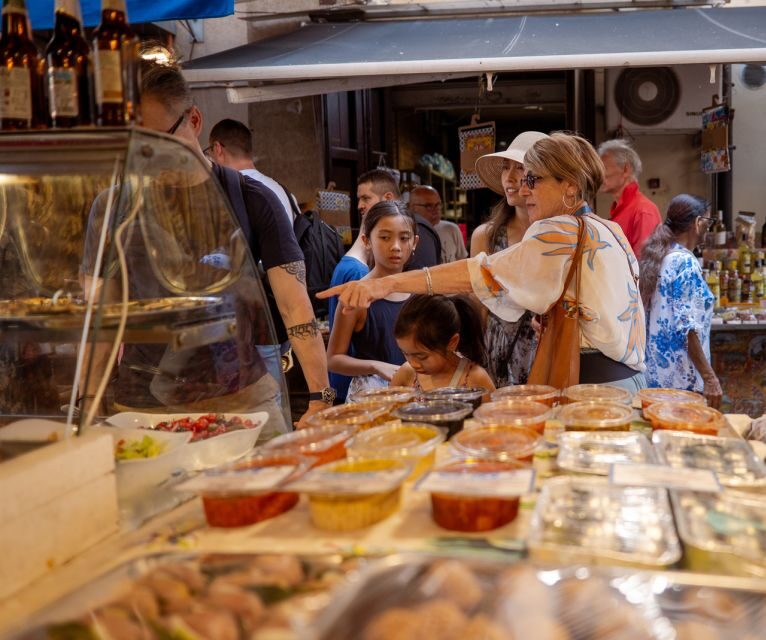
A cooking class only earns its keep if you can repeat it. That’s why the included digital booklet is more than paperwork. It gives you the recipes so you can recreate the dishes later without guessing.
You also get a graduation certificate. It’s not life-changing, but it’s a nice touch for families and for anyone who likes to feel like they finished something solid during the trip.
If you love shopping and cooking, the market component also pays off after class. With the ingredient know-how you gain, returning to local shops later in your stay feels less confusing. You’re more likely to choose well—and that’s where good Sicilian cooking starts.
Dietary fit: vegetarian friendly, but gluten rules matter
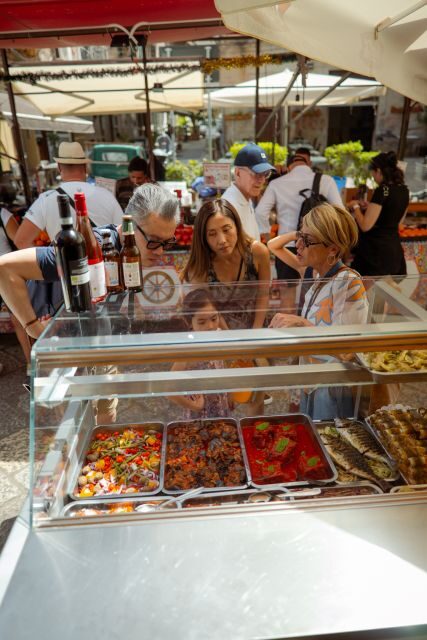
This experience is suitable for vegetarians, as long as you tell the provider when booking. That’s a relief, because many hands-on classes treat vegetarian cooking as an afterthought.
There’s a hard line on gluten-related needs: it is not suitable for celiac or gluten intolerance. That’s important. Don’t assume you can swap ingredients on the fly. If gluten is a medical issue, choose a different activity that explicitly supports it.
If you have other food intolerance or allergies, inform the activity provider in advance. The class notes that you should share tolerances and allergy needs ahead of time so the kitchen can plan.
Also: fish shops are closed on Mondays, and when the market is closed the format shifts. Neither of those automatically means you’ll lose the main dishes, but it does affect what’s available and what you’ll learn that day.
Price and value: what $65 gets you in real terms
At $65 per person for a 3 to 5 hour experience, the value comes from three things working together.
First, you’re paying for a professional chef plus hands-on instruction. That’s not just entertainment. You’re learning steps you can repeat.
Second, you get a full lunch with unlimited wine. In a city where a sit-down meal can add up quickly, that included food matters. You’re not simply paying for the class and then hunting for lunch afterward.
Third, you get both the market learning and the cooking payoff. Market-based ingredient education makes the kitchen time more useful. Even if you don’t love the market part, it tends to sharpen the way you cook and judge ingredients later.
So the price feels fair if you want a structured, social day that produces a meal you’re proud of. It feels less ideal if your goal is maximum kitchen time only, with minimal walking and market shopping.
When the market is closed (or you’re there on a Monday)
Timing matters in Palermo, especially around markets and specific shop types. The experience includes a built-in workaround: if you choose the 5-hour option and the market is closed, you’ll get a special introduction and extra tastings at the cooking school instead.
Also, fish shops are closed on Mondays. That doesn’t mean fish-based cooking is the focus here, but it does affect what’s available in general around the market world.
If you’re visiting at a tricky time, don’t stress. The substitution plan is designed to keep the day moving and keep you eating.
Who this Palermo class is best for
This one fits best if you’re:
- Curious about Sicilian food culture and want to learn how Italians cook with what’s in season
- Traveling with family and want a fun, hands-on activity without heavy effort or advanced prep
- Comfortable cooking at a basic to intermediate level and enjoy learning by doing
- Interested in bringing a real menu home: arancini, pasta alla norma, and cannoli
It may not be the best match if:
- You need a gluten-free or celiac-safe kitchen (not suitable)
- You want a purely cooking-only session with minimal market time
Should you book it?
Yes, I’d book it if you want a single afternoon that gives you three things at once: market knowledge, practical cooking skills, and a proper lunch you didn’t have to plan. The format is friendly for families, the group size stays small, and the chef-led teaching style gets strong praise across different instructors.
Skip it only if gluten issues are in play, or if you’d rather spend every minute shaping and cooking and can’t stand any market walking time.
If you like the idea of leaving Palermo with ingredients you understand and recipes you can actually use, this class is a solid bet.