REVIEW · PALERMO
Authentic Sicilian Cooking Class in Palermo
Book on Viator →Operated by Authentic Sicilian cooking with Francesca · Bookable on Viator
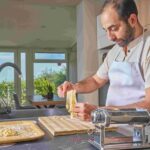
Pasta made by hand feels like magic. This is a small-group Sicilian cooking class run by FrancescaS in Bagheria, right by Palermo, where you learn fresh pasta, cook the sauces, and then sit down to eat what you made. I love the hands-on pace and the way Francesca answers questions in plain English, and I love that you get a real lunch out of it, not just bites and photos. One consideration: there’s no private transportation, so you’ll want a plan to get to the meeting point in Bagheria.
The class runs about 3 hours and caps at 10 travelers, so it stays personal. You’ll start at 10:30 am, get a welcome aperitif with local cheeses and salami, and you’ll have fresh water, fruit juice, and coffee available throughout.
In This Review
- Key things to know before you go
- Finding Francesca’s Kitchen: Bagheria’s Easy Start at 10:30 am
- Welcome Aperitif and a Real Kitchen Vibe
- What You’ll Cook: Fresh Pasta Builds the Whole Day
- Cavatelli or Busiate: The Sicilian Pasta You Can Actually Repeat
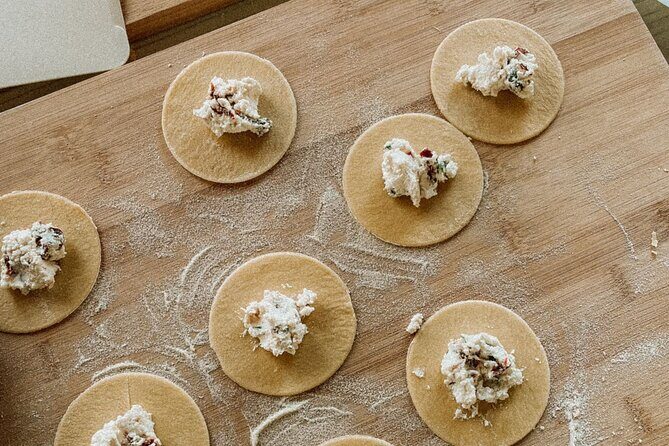
- Ricotta-Stuffed Ravioli and the Sauce Pairing Lesson
- Fettuccine and Sicilian Pesto: Getting the Flavor Balance Right
- Lunch at the Table: Taste Everything You Made
- English Instruction That Actually Helps You Cook
- Pricing and Value: What $103.32 Buys You
- Who Should Book This Sicilian Cooking Class in Palermo
- Should You Book This Sicilian Cooking Class Near Palermo?
- FAQ
- How long is the cooking class?
- What language is the class offered in?
- How many people are in the group?
- What dishes will I learn to make?
- Is lunch included, and are dietary needs handled?
- Do I need to arrange my own transportation?
Key things to know before you go
- Small group (max 10) means more time at the counter and less waiting around.
- English instruction makes it easy to follow along, ask questions, and actually learn the method.
- You make several pastas and cook the sauces that go with them, then taste everything together.
- Included drinks and lunch: water, juice, coffee, plus a meal that works for vegans/vegetarians or gluten-free diets.
- Francesca’s teaching style is patient and collaborative, which matters if you’re new to dough.
- Meeting point is in Bagheria, not central Palermo, so plan transport early.
Finding Francesca’s Kitchen: Bagheria’s Easy Start at 10:30 am
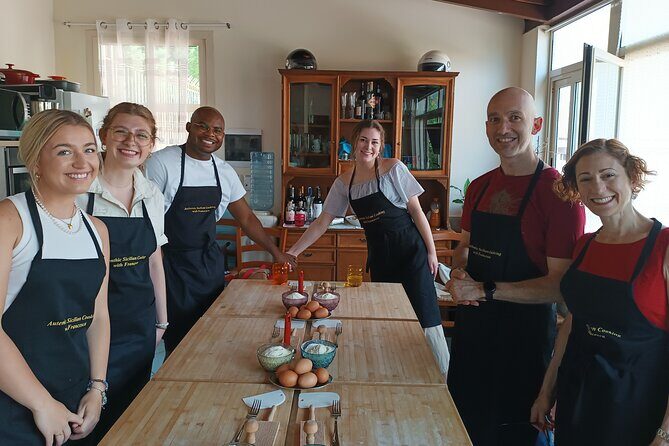
This class starts at 10:30 am in Bagheria, at FrancescaS, da Provinciale 87 Ovest, 62, 90011 Bagheria PA, Italy. The session ends back at the meeting point, so you’re not hunting for your way across town afterward.
Bagheria is a nice choice if you want a Sicilian day that feels calmer than central Palermo. It also keeps the cooking class experience focused: you’re not juggling museum stops or long rides. The key practical point is transport. The tour does not include private transportation, but it is listed as near public transportation, which usually means you can get there with normal bus or tram options plus a short walk or quick taxi.
I’d treat this like a half-day commitment. Wear comfortable clothes you can move in, and come ready to work with your hands. If you’re thinking you’ll just watch, don’t. This is a hands-on lesson.
Other cooking classes in Palermo
Welcome Aperitif and a Real Kitchen Vibe
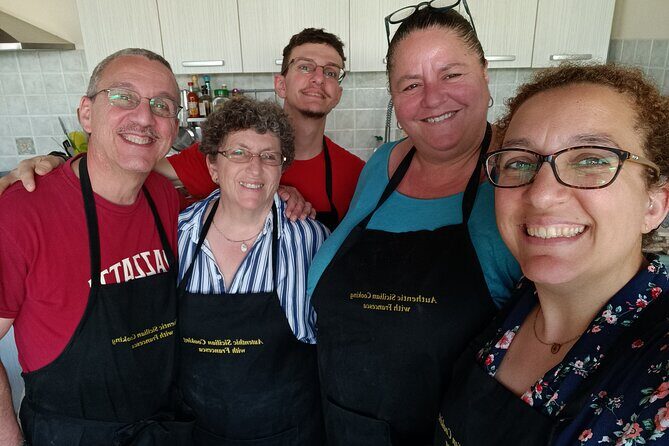
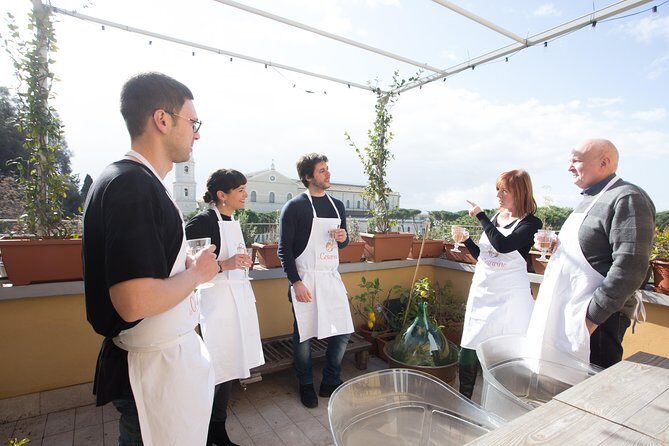
Before you start shaping dough, you’ll get a welcome aperitif. The setup includes snacks like local cheeses and salami, plus fresh water, fruit juice, and coffee available during the class. Bottled water is also included.
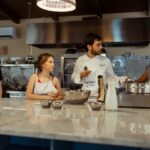
What I like about this warm-up is psychological. You’re in the middle of learning something physical, and having a laid-back start helps you settle in fast. One of the strongest themes in the feedback is how Francesca creates a family-like atmosphere in her kitchen, not a stiff classroom vibe.
Also, the kitchen itself matters. The class is taught in a spacious, well-equipped space, described as spotless and inviting. When the workspace is organized, you waste less time and end up actually finishing what you start.
One thing to consider: if you’re sensitive to smells or food aromas, pasta-making is naturally full of them. That’s part of the authenticity. If you’ve ever cooked at home, you already know the deal.
What You’ll Cook: Fresh Pasta Builds the Whole Day
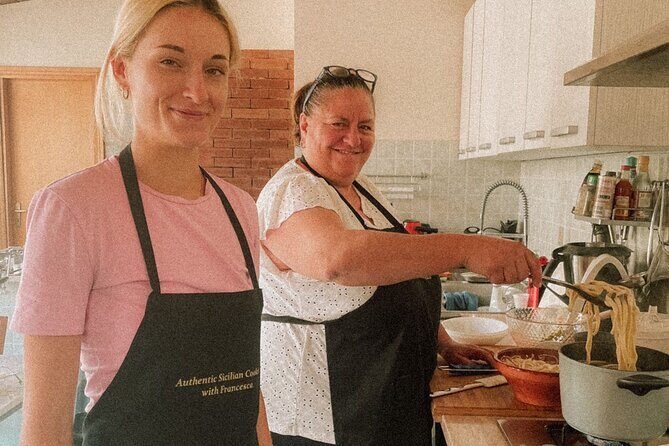
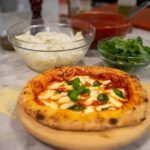
The heart of this experience is learning how to make fresh pasta and pairing it with Sicilian sauces. While the exact shapes can vary, the menu examples point to a classic Sicilian mix: cavatelli or busiate, ricotta-stuffed ravioli, and fettuccine with Sicilian pesto.
Here’s the practical flow you should expect in a 3-hour session:
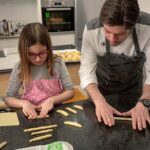
First, you’ll get the dough and start working. You’re not just mixing ingredients. You’re learning how to handle dough so it rolls and shapes properly. Then you’ll move into sauce-making, because the class is designed so the pasta and sauce aren’t separate acts.
Finally, everything comes together at the table. You make, cook, and then taste. That’s the biggest difference between a cooking demo and a true class: you leave with a repeatable process, not just a memory of someone else cooking.
If you’re traveling with a friend or family member, this structure is great. Everyone has tasks, so the time feels shared, not split into watching and waiting.
Cavatelli or Busiate: The Sicilian Pasta You Can Actually Repeat
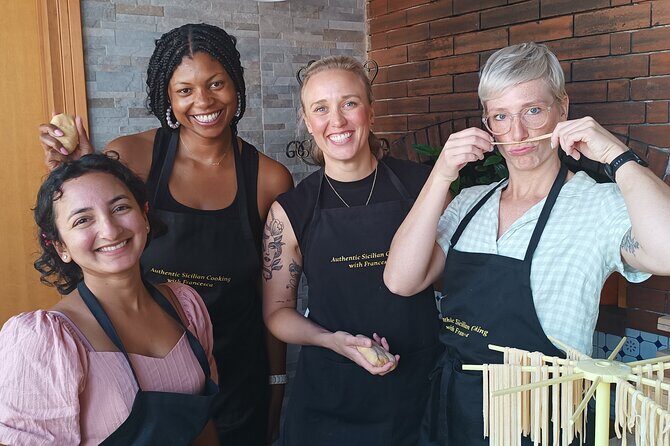
One of the featured options is Sicilian cavatelli or busiate with fresh tomato sauce and basil. This kind of pasta isn’t just for looks. It’s built to catch sauce, and that’s why it’s so satisfying.
In a hands-on class like this, you’ll learn the basic rhythm: prepare the dough, shape the pasta by hand, and time it so it finishes properly before lunch. The key takeaway is how the texture changes as you work. Pasta dough can feel stubborn at first, and the class format is set up to help you get it right through guidance and patience.
The tomato-basil pairing is also a smart teaching choice. Simple ingredients can be tricky when you cook them wrong, and getting it right teaches you more than a complicated sauce ever could. You get the flavor lesson and the method lesson in the same morning.
If you’re short on kitchen confidence, this is a strong starting point. You don’t need fancy equipment beyond what’s in the kitchen.
Ricotta-Stuffed Ravioli and the Sauce Pairing Lesson
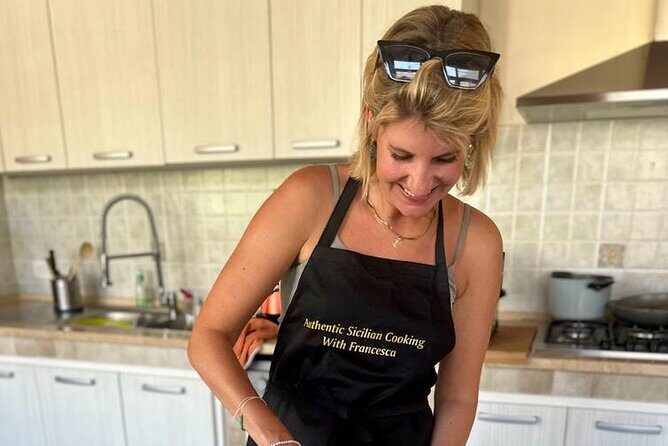
Another core dish is ricotta-stuffed ravioli with a sauce using seasonal ingredients. Ravioli is where many people learn the most, because it forces you to pay attention to details: portioning, sealing, and managing the cooking stage so the pasta stays tender.
In a class with a max group size of 10, you get enough time for Francesca to help you correct issues as they happen. One review-style detail that keeps showing up is Francesca’s patience. If you crack, tear, or overfill, you’re not left to guess. You get real-time coaching.
The seasonal sauce component is also valuable. Even if you don’t live in Sicily, the lesson is how to think: use what’s available and match it to the pasta and filling. That kind of reasoning makes your home cooking more successful, because it works even when the exact ingredients aren’t identical.
A few more Palermo tours and experiences worth a look
Fettuccine and Sicilian Pesto: Getting the Flavor Balance Right
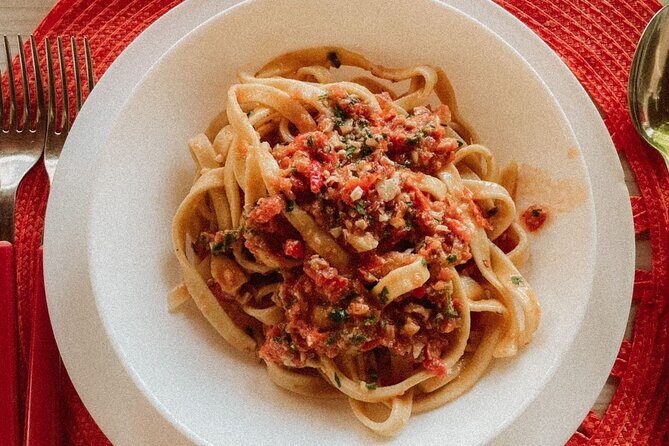
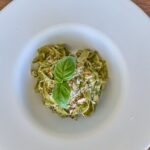
The third featured pasta is fettuccine with Sicilian pesto. Pesto is one of those topics that sounds simple until you make it. The real skill is balance: thickness, freshness, and how the ingredients hold together once they meet hot pasta.
In this class format, you’re not just learning a recipe. You’re learning how texture and taste change with steps: blending versus crushing, tasting as you go, and adjusting until it behaves the way it should.
A bonus here is that pesto pairs nicely with different skill levels. Even if you’re still learning pasta technique, pesto can be the part where you feel immediate progress. And because the class is hands-on, you get a chance to make your own version rather than watching someone else do it.
Lunch at the Table: Taste Everything You Made
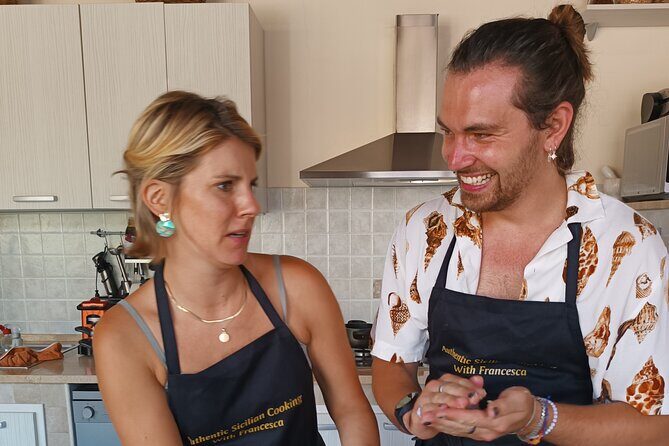
Once your pasta and sauces are ready, you sit down and eat together. The class is structured so the lunch is part of the lesson, not an afterthought. You’ll taste what you made, which is how you learn what “right” feels like.
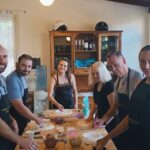
This is also where the social side clicks. The kitchen setup encourages conversation, and the class atmosphere is described as collaborative. Even when people are split into smaller working groups, you still end up with a shared lunch experience.
The meal includes options for vegans, vegetarians, or gluten-free diets. That’s a big practical win if you’re traveling with someone who needs accommodations. If you have dietary needs, you’ll want to make sure they’re included at booking so the kitchen can prepare the right version.
One consideration: you’ll eat lunch as part of the class, so plan your day around it. Don’t schedule a heavy lunch later. Treat the cooking class lunch as the meal.
English Instruction That Actually Helps You Cook
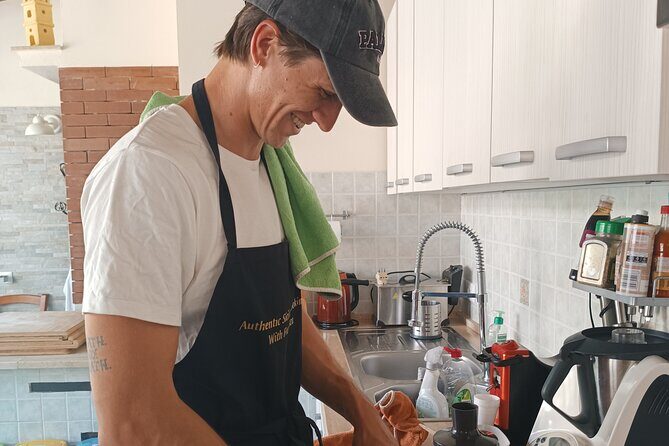
I really value when a cooking class is taught in English in a way that connects with what you’re doing in your hands. This one is offered in English, and Francesca’s explanations are described as clear, with lots of room for questions.
That matters because pasta-making isn’t just a recipe. It’s technique. If you don’t understand what you’re looking for, you can follow steps and still end up with dough that behaves badly.
What you’re likely to walk away with is a better feel for texture and timing. That’s what makes it possible to recreate the results at home, which is a recurring point in the feedback. People leave with confidence, not just curiosity.
If you’re the type who wants to learn why something works, you’ll probably like the questioning-and-adjusting style.
Pricing and Value: What $103.32 Buys You
At $103.32 per person for about 3 hours, you’re paying for more than entertainment. You’re paying for ingredients, kitchen time, equipment access, and instruction—plus lunch.
And the inclusions are meaningful:
- an aperitif with local cheeses and salami
- fresh water, fruit juice, and coffee
- access to kitchen tools and food to prepare dishes
- a lunch option for vegan, vegetarian, or gluten-free needs
Also, group size (max 10) is part of the value. Smaller groups usually mean better attention and faster progress. You don’t have to wait for someone to free up a counter while your dough sits there quietly getting worse.
If you’re comparing this to a cheaper activity, be careful: a lower price often means you do less work and eat less. Here, you genuinely participate and then eat the results.
The main cost not covered is transportation. Since private transport isn’t included, your total cost depends on how you get from Palermo area to Bagheria. But if you’re already comfortable using public transit or taking a taxi for a short hop, the overall package can still feel fair.
One small planning tip: this class is typically booked around 51 days in advance, so don’t wait until the last minute if your dates are fixed.
Who Should Book This Sicilian Cooking Class in Palermo
This is a great fit if you want:
- a hands-on Sicilian pasta experience near Palermo
- a small group with lots of interaction
- an English-taught class where you can ask questions and get answers
- lunch included, with options for dietary restrictions
It’s also a good family choice. Multiple feedback highlights mention mother-daughter time and learning together. If you bring a child, it can work best when you expect a guided activity and not a fast, sit-still lesson.
Who might not love it: if you only want to watch cooking with zero participation, or if you strongly prefer activities in central Palermo with easy, built-in transport, you may find the Bagheria location a little less convenient.
Should You Book This Sicilian Cooking Class Near Palermo?
If you like real learning—hands on, questions welcome, and then a sit-down meal—you should book it. The combination of fresh pasta from scratch, Sicilian sauces, and lunch included in a small group makes it one of those experiences that’s useful after you get home.
Just plan for the one weak point: you handle your own ride to Bagheria. If you can get there smoothly, you’ll get a full morning of cooking and a meal that feels like Sicily, not a generic pasta show.
FAQ
How long is the cooking class?
The class runs for about 3 hours.
What language is the class offered in?
The experience is offered in English.
How many people are in the group?
The maximum group size is 10 travelers.
What dishes will I learn to make?
You can expect to learn fresh pasta and make Sicilian dishes such as cavatelli or busiate with tomato sauce and basil, ricotta-stuffed ravioli with a seasonal ingredients sauce, and fettuccine with Sicilian pesto.
Is lunch included, and are dietary needs handled?
Yes. Lunch is included, and there are options for vegans, vegetarians, or gluten-free.
Do I need to arrange my own transportation?
Private transportation is not included. The meeting point is near public transportation, so you’ll need to plan how you’ll get there.