REVIEW · PALERMO
Beyond the veil: Catacombs and Cemeteries of Palermo
Book on GetYourGuide →Operated by Bluesearch unip lda · Bookable on GetYourGuide
Mummies in Palermo feel personal. This tight Capuchin Catacombs experience links the famous Rosalia Lombardo story with Palermo Cathedral and Sant’Orsola Cemetery, while a private transfer keeps the logistics painless so you can focus on what’s in front of you. I especially like how the guide work turns three major sites into one connected mood: life, death, and the way the city remembers.
One possible drawback: the experience can depend on the day’s translation setup. The tour offers multiple languages, but if you’re counting on very detailed English throughout, be aware that guide-and-translator dynamics can vary.
In This Review
- Key points worth planning for
- Palermo Under the Surface: What This Tour Really Delivers
- Getting There Fast: Via dei Benedettini and Private Transport
- Camposanto di Santo Spirito: A Quick Stop That Sets the Tone
- Capuchin Catacombs and Rosalia Lombardo: The Sleeping Child
- Palermo Cathedral Tunnels: Burials, Ritual, and Why the Architecture Matters
- Sant’Orsola Cemetery: Monumental Tombs and Palermo’s Moral History
- Language, Guides, and Translators: The Detail That Can Make or Break It
- Timing and Comfort: What 3 Hours Feels Like
- Price and Value: Is $90.63 Worth It?
- Who Should Book This Tour (and Who Might Skip It)
- Should You Book Beyond the Veil?
- FAQ
- How long is the tour?
- Where does the tour start?
- What sites are included?
- Is the group small?
- What languages are available?
- Is transportation included?
- Do I need to pay entrance tickets separately?
- Is it suitable for people with mobility impairments?
Key points worth planning for
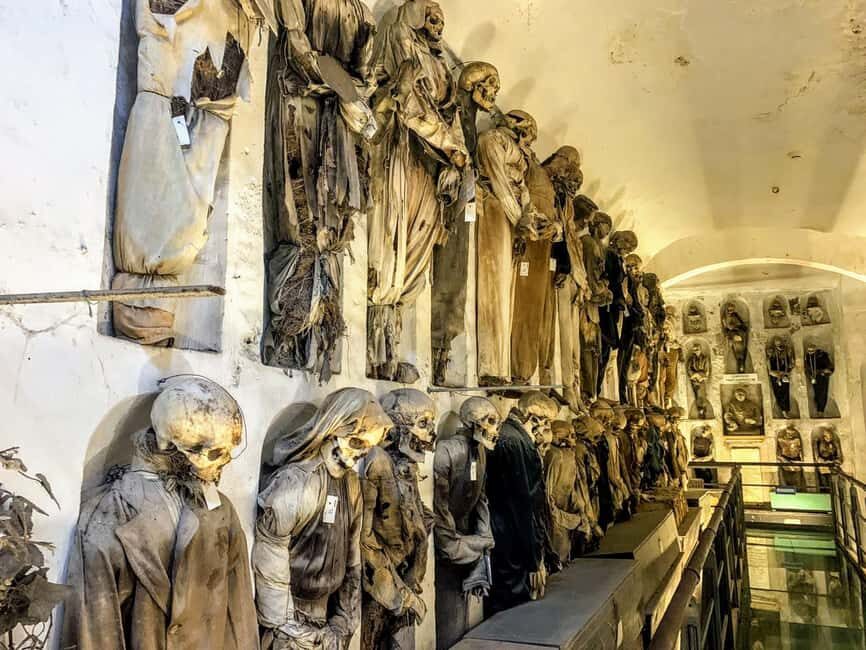
- Rosalia Lombardo, the Sleeping Child: a perfectly preserved mummy story that’s hard to forget
- Private transfer for a short time window: you save energy and time hopping between sites
- Cathedral “catacomb” tunnels: burials across different periods under Palermo’s most iconic church
- Sant’Orsola Cemetery for famous names: you’ll meet Palermo figures tied to art and anti-mafia courage
- Small group size (up to 8): better pacing and easier questions
Palermo Under the Surface: What This Tour Really Delivers
Palermo has two faces. One is sunlit streets and baroque façades. The other is what the city kept—stored away—when the dead needed a place.
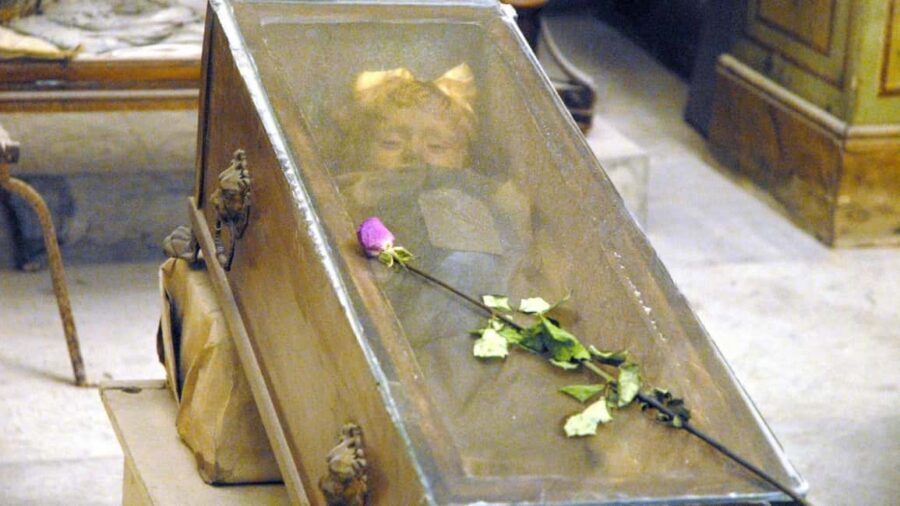
This tour works because it doesn’t treat the catacombs as a one-off shock photo. It strings together three sites that each show a different “language” of death. In the Capuchin Catacombs, you’re surrounded by human remains arranged with a kind of eerie care. In Palermo Cathedral, burial history becomes architecture and ritual, not just remains. And in Sant’Orsola Cemetery, memory turns public—through monumental tombs and statues that signal who mattered to Palermo.
If you like historical places, you’ll enjoy the material facts: the presence of different burial periods in the cathedral areas and the way cemetery art tells social stories. If you like human stories, you’ll enjoy the emotional arc—how the guides connect the dots between individuals, family remembrance, and citywide culture.
Just know this is not a light stroll. Expect a quiet, serious tone in all three locations.
If you're still narrowing it down, here are other tours in Palermo we've reviewed.
Getting There Fast: Via dei Benedettini and Private Transport
Your day starts at Via dei Benedettini, 16. From there, you don’t scramble for buses or taxis. A coach handles the short rides between stops, with brief photo and walking moments at each site.
The private-transfer approach matters more than it sounds. In a place like Palermo, where street layouts can be lively and driving rules can feel unique, saving your brainpower for the actual sights is worth something. You’re also spending only about 3 hours total, so the tour is designed to keep movement efficient.
Practical tip: wear shoes you can walk in comfortably. You’ll be doing guided walking segments through cemetery and catacomb areas, and you’ll want steady footing.
Camposanto di Santo Spirito: A Quick Stop That Sets the Tone
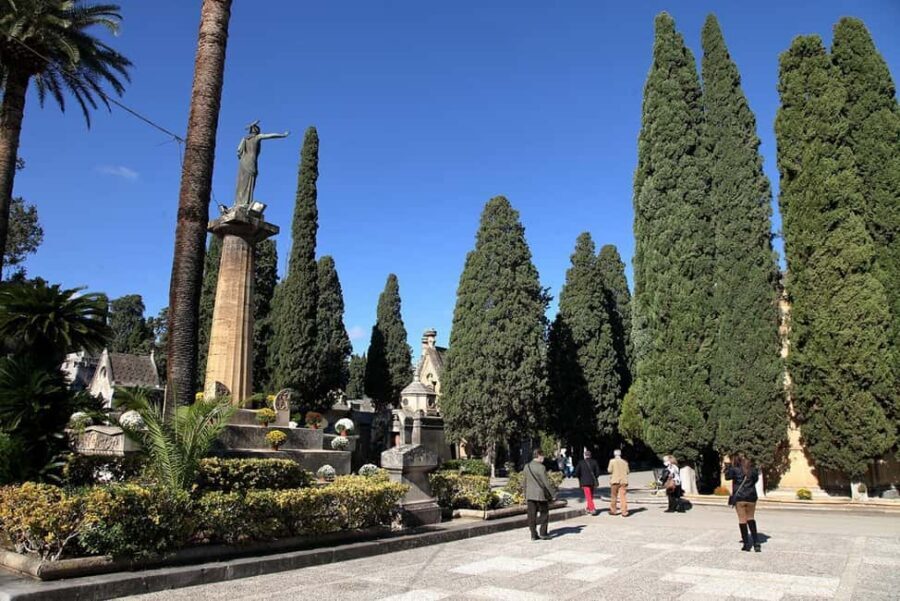
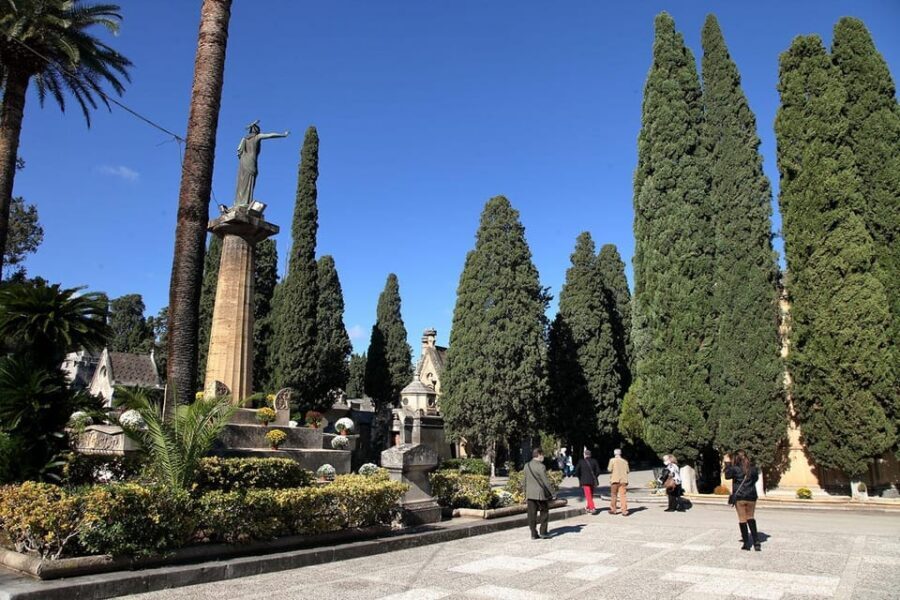
Early on, the itinerary includes a short stop at Camposanto di Santo Spirito—time for photos, a guided look, and a bit of walking before you move on.
This stop is useful because it helps you “tune in” to what comes next. The Capuchin Catacombs are the headline, but the day’s mood works better if you ease into it. You’ll feel the contrast between open-air cemetery space and the underground, enclosed feeling of the catacombs.
If you’re sensitive to crowds, aim to be calm here too. This type of site tends to attract the kind of attention that makes you feel rushed. Use the moment to get your bearings so later you can slow down.
Capuchin Catacombs and Rosalia Lombardo: The Sleeping Child
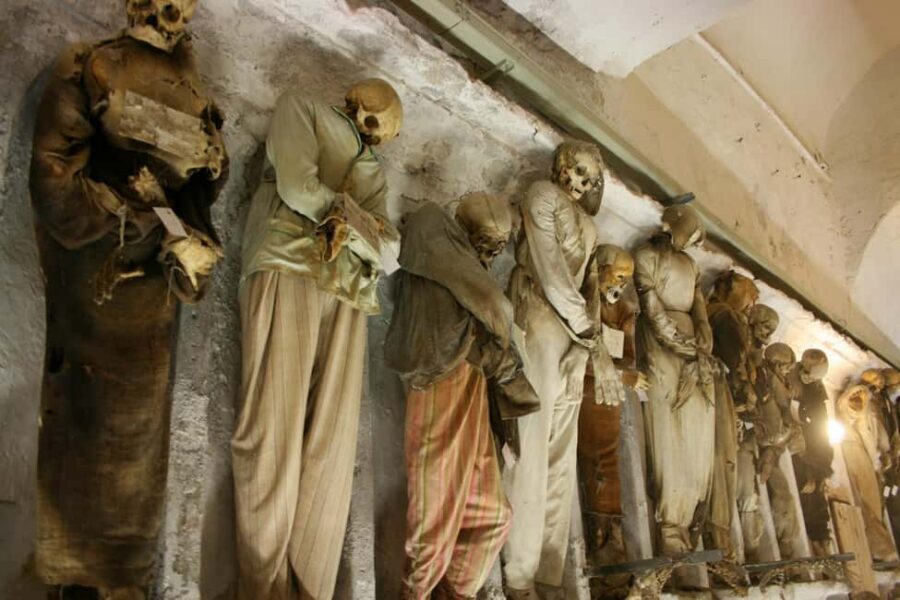
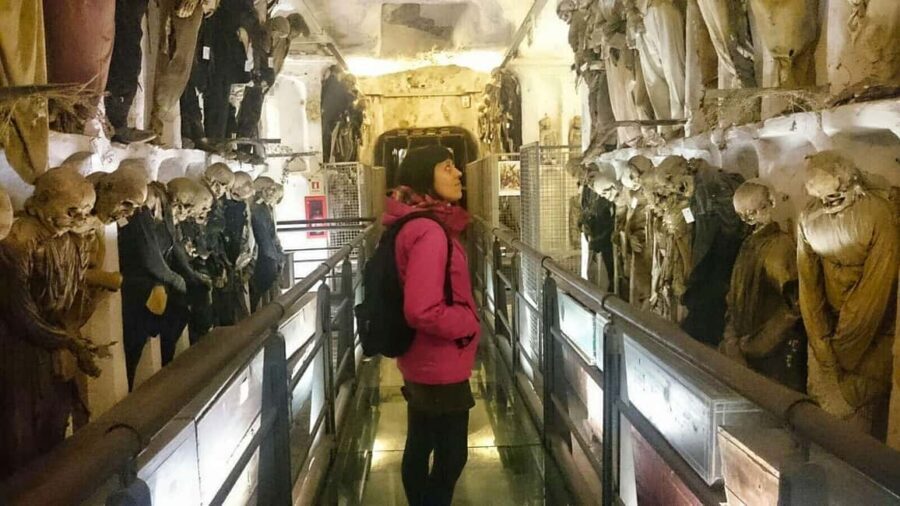
The star of the show is the Capuchin Catacombs. Plan on about an hour of guided time here, with time to pause and look closely as you move through the bone-and-mummy spaces.
This is the place people talk about for a reason. It’s not just that remains are displayed—it’s the atmosphere. It feels silent in a way that makes you lower your voice automatically. The guide’s job is to frame what you’re seeing as a cultural practice, not just a horror-film set.
And then there’s Rosalia Lombardo—the “Sleeping Child.” The tour focuses on her mummy and the striking idea that her preservation continued to puzzle modern science long after her death. The emotional impact comes from the contrast: the serenity of the preserved face versus the fact that this is a human life remembered in a way that keeps it physically present.
A tip that helps you enjoy this more: don’t try to take it all in at once. This site rewards moving slowly, letting details land. If you go fast, it becomes overwhelming. If you slow down, it becomes strangely human.
Palermo Cathedral Tunnels: Burials, Ritual, and Why the Architecture Matters
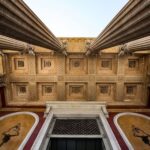
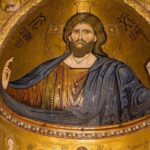
After the catacombs, you go to Palermo Cathedral for guided time—about 45 minutes including break time. This section is different in feel from the Capuchin Catacombs because you’re inside one of Palermo’s defining monuments.
What makes this stop valuable is the angle. Instead of focusing only on the macabre, the guide connects burial practices to the cathedral’s evolving role over centuries. You’ll explore architecture and origins, and you’ll hear how the sacred space changed.
The tour also mentions tunnels and burials under the cathedral area—places where different historical periods show up as layered stories. That’s a big deal if you’re the kind of visitor who likes “why did this happen this way?” questions. You’re not just seeing objects; you’re seeing time.
Expect conservation and funeral-ritual talk too. Even if you don’t remember every detail, this type of context makes the remains feel less random and more like part of Palermo’s long way of handling grief.

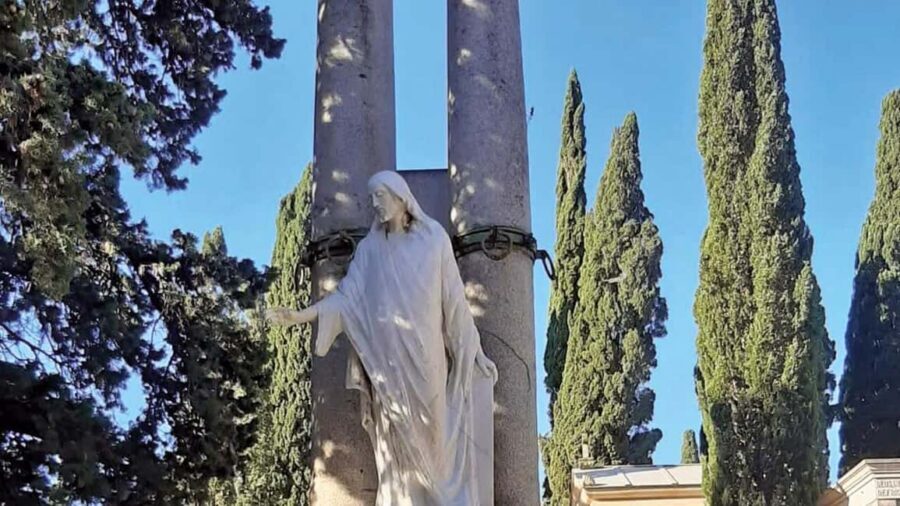
Sant’Orsola Cemetery: Monumental Tombs and Palermo’s Moral History
The final major stop is Sant’Orsola Cemetery, a cemetery that’s less famous than the catacombs but offers a powerful kind of perspective.
Here, the focus shifts from enclosed catacomb mystery to public memory. You’ll see monumental tombs and commemorative statues—art that signals status, ideals, and identity. It’s easier to talk to yourself here about what societies choose to honor when they’re gone.
The names included in the tour are especially meaningful. You may come across Palermo figures connected to anti-mafia history, as well as artists and heroes. Examples listed in the tour include Ninni Cassarà, Libero Grassi, Giuseppe Damiani Almeyda, Mario Rutelli, Luigi Natoli, and others. That transforms the cemetery from “old graves” into a map of Palermo’s values and resistance.
How to enjoy this stop: look at the tombs as storytelling. The statues and inscriptions (where visible to you) are meant to communicate. If you spend time here, you’ll understand why Palermo’s dead don’t feel hidden. They’re part of the city’s ongoing conversation.
Language, Guides, and Translators: The Detail That Can Make or Break It
This tour is offered in English, Italian, Spanish, French, and Portuguese. Live guiding is part of the package, and there’s a small group cap at 8 participants, which usually helps pacing.
Still, the practical reality is that guide-and-translator matching matters. In one case tied to this experience, the guide spoke Italian while translation supported the group, including an English translator and a French translator. The difference in engagement between translators was noticeable. In another moment, a guide named Samuel received strong feedback for how the storytelling landed, especially when a translating assistant was highly helpful.
So here’s my straightforward advice: if you care a lot about language nuance, double-check that you’re booked in your preferred language and arrive ready to ask questions. With small groups, you’ll often get more chances to clarify what you’re seeing.
Also, bring the right expectations: you’re touring underground and cemetery spaces. Even the best narration can’t overcome that you’re visually surrounded by human remains and symbolic structures.
Timing and Comfort: What 3 Hours Feels Like
A 3-hour format means the tour is designed to be efficient without being a blur. You’ll have guided time in the catacombs and cathedral, and then you’ll spend time in the cemetery.
The short coach segments between stops keep you from wasting the day. But you should still expect a realistic pace: walking inside catacomb spaces, moving through cemetery paths, and hearing a guide speak (plus translation when needed).
Comfort tips that matter here:
- Wear closed-toe shoes with good grip.
- Dress in layers. Catacomb interiors can feel cooler than street level.
- If you’re the type who likes to take photos, plan to do it between key stops rather than while walking.
And one more honesty note: if this subject matter makes you tense, that tension can build. Give yourself permission to slow down and breathe.
Price and Value: Is $90.63 Worth It?
At about $90.63 per person for a 3-hour, multi-site route, this tour is priced like a “major sites, guided, and transported” experience.
What you’re paying for:
- Guided visits across three headline locations
- Entry tickets included
- Private transfer/coach handling between stops
- A small group size (up to 8)
If you were to self-plan, you’d likely spend time coordinating transit and booking separate entry tickets. That’s the hidden cost: not just money, but time and mental effort—especially if you want a smooth underground/cathedral/cemetery sequence in one morning or afternoon window.
Value-wise, it makes the most sense if:
- you want the emotional and historical connections explained, not just photographed
- you’re okay spending time in serious sites
- you want the easiest logistics possible
It may be less worth it if you already know these sites well and prefer a purely self-guided pace.
Who Should Book This Tour (and Who Might Skip It)
I’d point you toward this tour if you:
- want a structured route through Palermo’s most talked-about underground and memorial sites
- like guides who connect stories to place (catacombs + cathedral + cemetery)
- appreciate smaller groups so you can ask questions and move at a human pace
I’d tell you to reconsider if:
- you have mobility impairments (the tour is stated as not suitable)
- you’re strongly uncomfortable with human remains and burial displays
- you need every word in very detailed English; translation quality can vary depending on the day’s setup
If you’re unsure, choose your expectations carefully. This isn’t just sightseeing. It’s a guided walk through how Palermo thinks about death and remembrance.
Should You Book Beyond the Veil?
I think you should book if you want an efficient, guided way to see three major Palermo death-and-memory spaces in one short outing—especially if you’re curious about Rosalia Lombardo and you want context for what you’re looking at in the cathedral and Sant’Orsola Cemetery.
Skip or look for another option if translation precision is your top priority, or if you don’t want to spend time in places that feel emotionally heavy. And if you’re mobility-limited, don’t force it—there are better-fitting ways to experience Palermo without the inaccessible parts of underground and cemetery routes.
If you book, come with a calm mindset. This tour hits best when you let it be quiet, human, and a little unsettling—in the way real history often is.
FAQ
How long is the tour?
The tour duration is listed as 3 hours.
Where does the tour start?
It starts at Via dei Benedettini, 16.
What sites are included?
The tour includes the Capuchin Catacombs, Palermo Cathedral, and the Sant’Orsola Cemetery, plus a stop at Camposanto di Santo Spirito.
Is the group small?
Yes. It’s limited to 8 participants.
What languages are available?
The live tour guide is offered in English, Italian, Spanish, French, and Portuguese.
Is transportation included?
Yes. The experience includes private transfer, and you use a bus/coach between locations.
Do I need to pay entrance tickets separately?
No. Entrance tickets are included.
Is it suitable for people with mobility impairments?
No. The tour is not suitable for people with mobility impairments.