REVIEW · PALERMO
Sicilian Cooking Class in Palermo
Book on Viator →Operated by Siciliandays · Bookable on Viator
Food shopping in Palermo feels like therapy. In this Sicilian Cooking Class in Palermo, you start with market shopping for seasonal ingredients and then cook in a gourmet home kitchen run by local chef Patrizia. You’ll learn what makes Sicilian food different (think sweet-sour balance and regional pasta shapes) while wine is part of the rhythm, not an afterthought.
One thing to plan around: the price does not include the parking fee, and there’s no hotel pick-up/drop-off, so you’ll want to be ready to make your own way to the meeting point at Via Volturno, 78.
In This Review
- Key highlights I’d circle before you book
- Why this Sicilian cooking class is such a smart Palermo experience
- Via Volturno meeting point, Palazzo Asmundo, and the short walk to cook
- Palermo market shopping: what you’re really learning in the Capo/Vucciria world
- In the kitchen: caponata and Trapani pesto (and why Sicilians do sweet-sour right)
- Caponata: the agrodolce lesson you can actually repeat
- Busiate al pesto trapanese: regional pasta shapes matter
- Other Sicilian classics you may see on the menu
- Wine pairings during cooking: easy, practical, and built into the meal
- The meal you eat: you’ll leave with real food confidence
- Price and value: $229.29 for 4.5 hours of market-to-meal learning
- Who this class suits (and who should think twice)
- Diets, English instruction, and what to ask before you go
- Should you book the Sicilian Cooking Class in Palermo?
- FAQ
- How long is the Sicilian Cooking Class in Palermo?
- What’s included in the price?
- Is the class offered in English?
- Is there a vegetarian option?
- Where do I meet the group?
- Is there a group size limit?
- What is the cancellation policy?
Key highlights I’d circle before you book
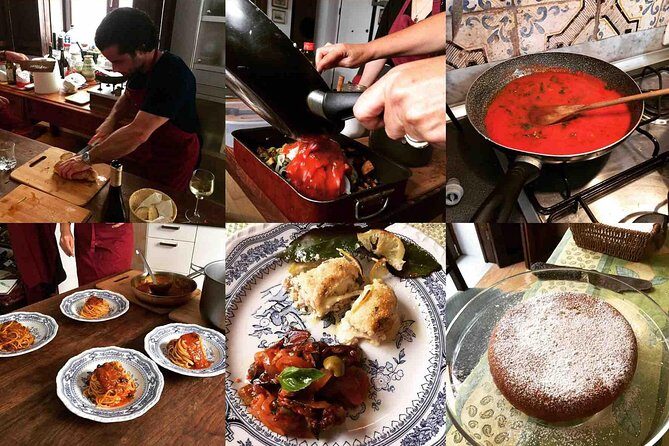
- Market shopping for seasonal ingredients with a real feel for what’s fresh right now
- Historic home kitchen setting for hands-on cooking, not a studio classroom
- Caponata + Busiate al pesto trapanese (plus Sicilian classics that may vary by menu)
- Wine during cooking and tastings with the meal, with pairings as you go
- Small group size (max 20) keeps the class personal and interactive
Why this Sicilian cooking class is such a smart Palermo experience
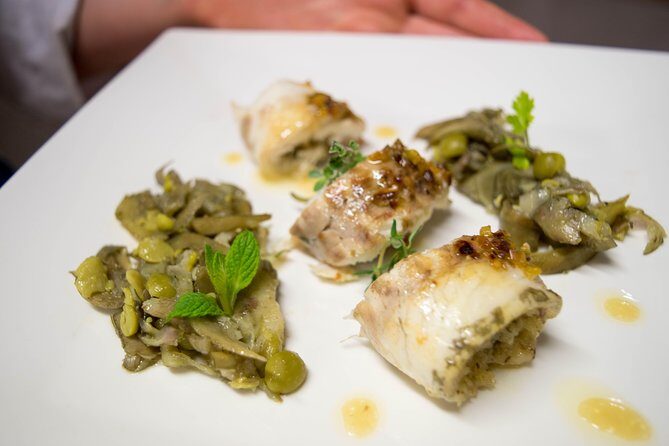
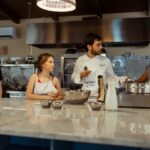
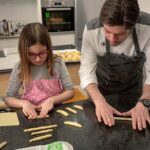
This isn’t just a cooking demo where you watch from the side. The whole flow is built around three things: you pick ingredients in the market, you cook them step-by-step at a home kitchen table, and then you sit down to eat the full meal you made. That matters because Sicilian cooking is all about texture, balance, and timing. When you shop and prep with the same person who’s teaching the technique, the food starts to make sense in your hands.
I also like that the class leans into what makes Sicilian cuisine different from other parts of Italy. You’re not only making pasta and sauce. You’re learning the taste logic behind staples like agrodolce (sweet-sour), and why Sicilians build flavor with ingredients like capers, olives, and local produce.
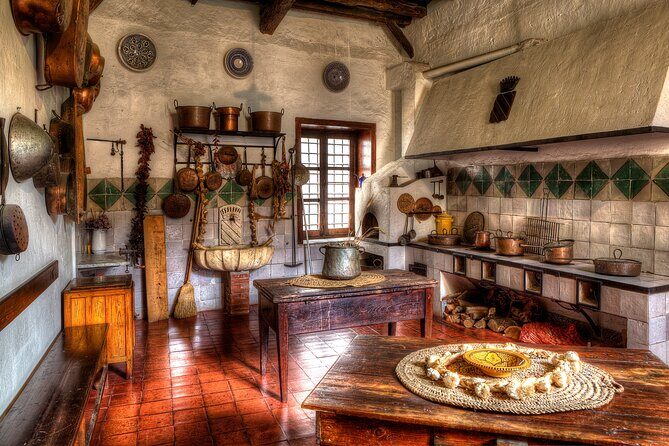
The setting helps, too. You cook in a gourmet home kitchen inside a historic building, with that “real people live here” feeling. You’re not trying to picture how it might be. You’re doing it.
Other cooking classes in Palermo
Via Volturno meeting point, Palazzo Asmundo, and the short walk to cook
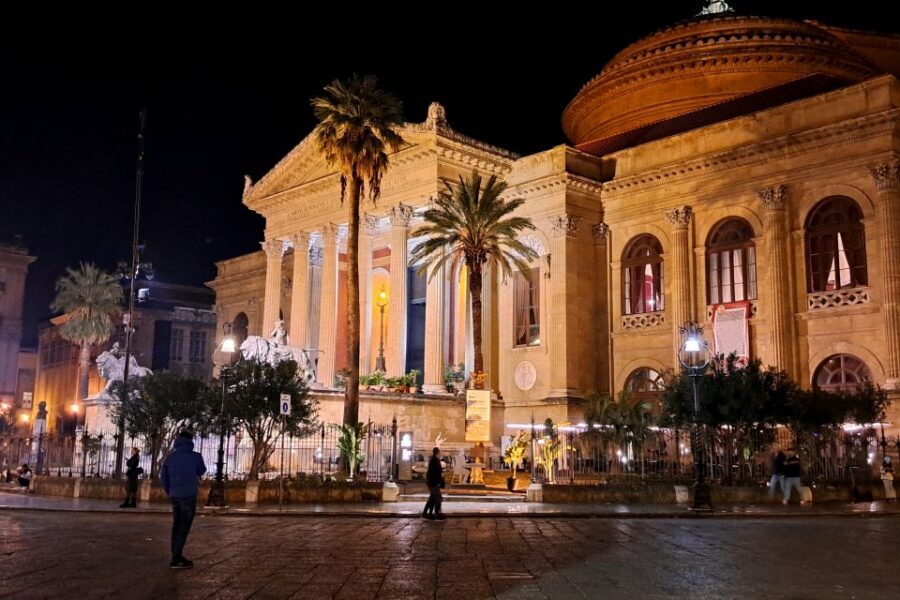
The day centers on a clear, city-friendly starting point: Via Volturno, 78, 90138 Palermo. The activity ends back at that same meeting spot, so you’re not stuck trying to solve transport at the end when you’re full (and likely a little wine-warmed).
There’s also a Palazzo Asmundo – Museo stop included in the flow. In practice, think of it as part of the “you’re in the right neighborhood” feeling—then you move from the meeting area to the kitchen location. After the shopping, you’ll walk about 10 minutes to get home and start cooking. It’s short, but it’s still a city walk, so wear shoes you don’t regret.
Palermo market shopping: what you’re really learning in the Capo/Vucciria world
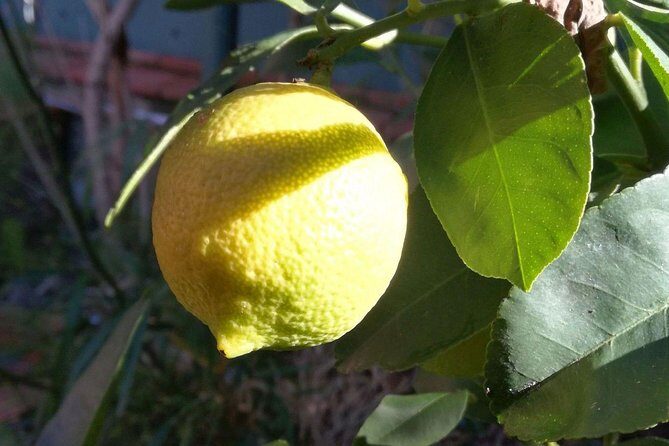
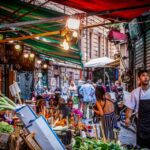
The market portion is one of the best ways to make this class feel like Palermo, not just Italian food with a different label. You’re going together to shop for seasonal ingredients, which is where a lot of Sicilian cooking starts. When ingredients are good, the cooking is simpler—and the flavors are louder.
Expect the kind of market interaction where you learn how to choose and what matters. From what the instructors emphasize, you’re likely to pay attention to things like:
- produce that looks fresh and seasonal (not just pretty)
- the quality of herbs and aromatics used in Sicilian sauces and pestos
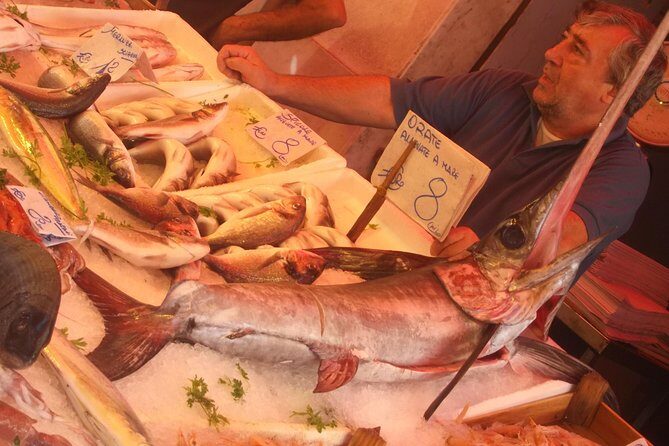
- how seafood and fish are handled when it’s part of the menu
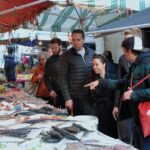
You might notice vendors working in front of you, and that fish-monger energy can make the shopping feel extra real. This is also where you’ll gather more than just vegetables—snacks and staples like olives, bread, and ingredients used throughout the meal often show up here too.
Then you head to the kitchen. The short walk is deliberate: it keeps the day moving, keeps everyone together, and gets you cooking while ingredients still feel “new.”
In the kitchen: caponata and Trapani pesto (and why Sicilians do sweet-sour right)
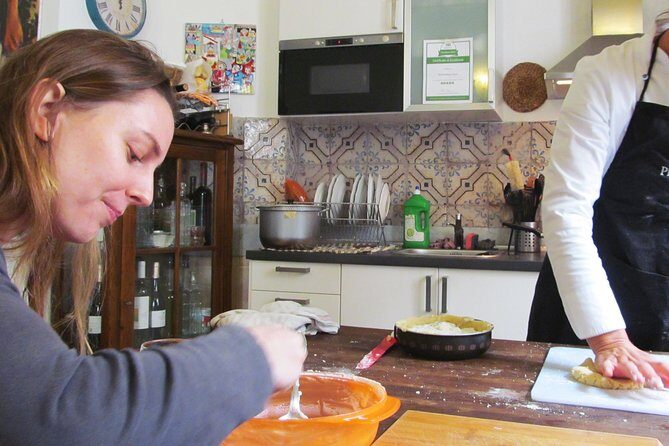
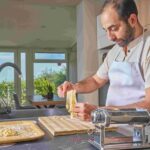
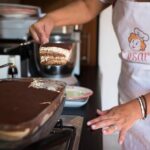
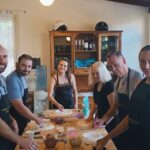
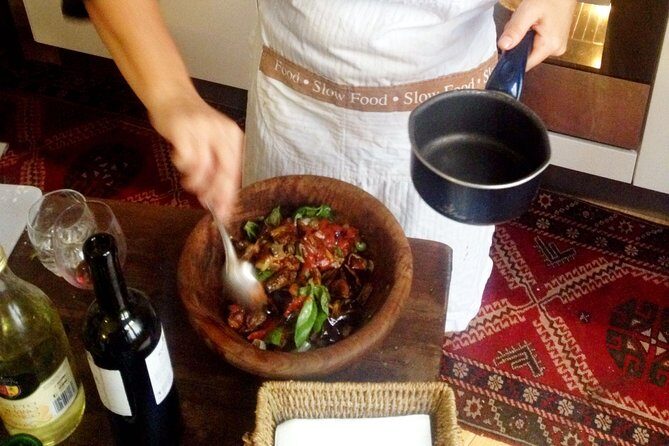
Once you arrive at the home kitchen, the class shifts to hands-on work. You’ll cook at a table setup that makes it feel communal, with wine in your glass while you learn. The goal isn’t to rush. It’s to teach you the technique well enough that you understand what you’re tasting.
Caponata: the agrodolce lesson you can actually repeat
The starter is caponata, a classic Sicilian vegetable dish built around eggplant, onions, capers, and green olives, finished with that signature agrodolce sweet-sour profile. Caponata is one of those dishes people remember because it’s not just “vegetables in sauce.” It’s flavor engineering: salty bites from olives and capers, sweetness to round it out, and acidity that lifts everything.
In a good class, you learn how the balance gets built. The cooking portion is where you start understanding why Sicilians treat sweetness as a flavor tool, not dessert logic.
A few more Palermo tours and experiences worth a look
Busiate al pesto trapanese: regional pasta shapes matter
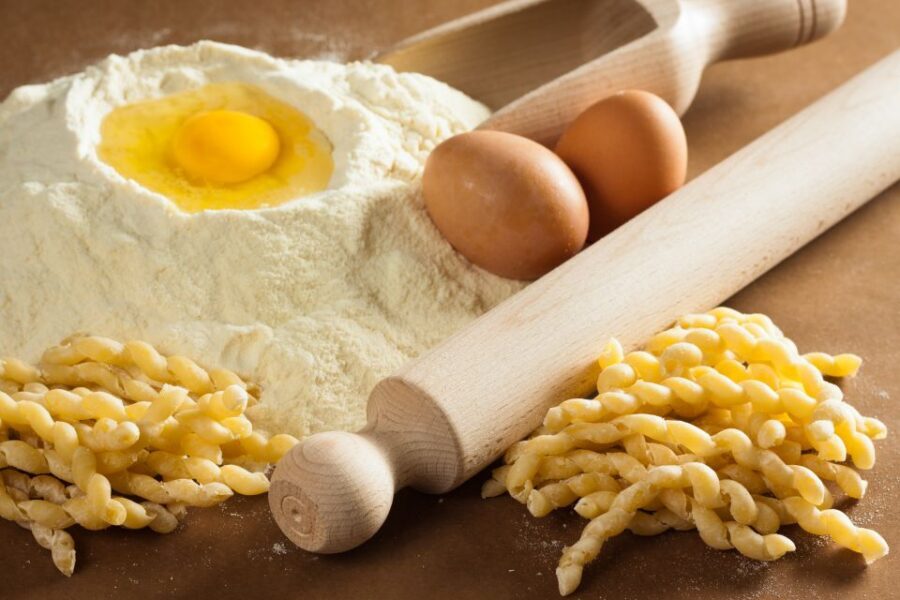
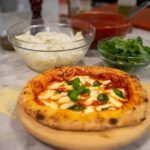
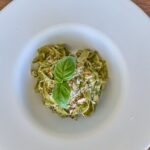
For the main, you’ll likely cook busiate al pesto trapanese. Busiate are a pasta shape associated with Trapani, and the key is the pesto. This isn’t the same green pesto many people expect from Italy. Trapani-style pesto has its own flavor identity, shaped by local ingredients and Sicilian taste preferences.
The best part here is that you’ll get to experience how the pasta shape works with the sauce. Those ridges and twists aren’t decoration. They help carry sauce and cling in a way that changes the bite.
Other Sicilian classics you may see on the menu
The exact menu can vary by class day, but based on the kinds of dishes taught in this kitchen, you might also get hands-on with other Sicilian favorites such as arancini and cannoli, or additional pasta and meat or fish dishes like involtini. You may also encounter pesto variations that swap in different nuts (like almonds) depending on the day and the instructor’s approach.
That menu flexibility is a plus if you want variety during your trip, but it’s worth knowing if you’re chasing one specific dish. Caponata and busiate al pesto trapanese are the core anchors here.
Wine pairings during cooking: easy, practical, and built into the meal
This class doesn’t treat wine as a separate activity. You’ll have a glass of wine as you cook, and you’ll do wine and food tasting that works with what’s on your plate.
What I like about this setup is that it keeps your attention on the meal. You’re not sent away to “learn about wine” for 20 minutes. Instead, you taste while you cook, so you start connecting flavor notes to ingredients. Some classes also come with snack moments like bread, olive oil, and cheese along the way, which helps the day feel like an extended aperitivo that becomes lunch or dinner.
Wine pairings also make the Sicilian flavors feel even more coherent. When you have agrodolce and salty olives, the right drink can make the sweetness feel clean rather than heavy.
The meal you eat: you’ll leave with real food confidence
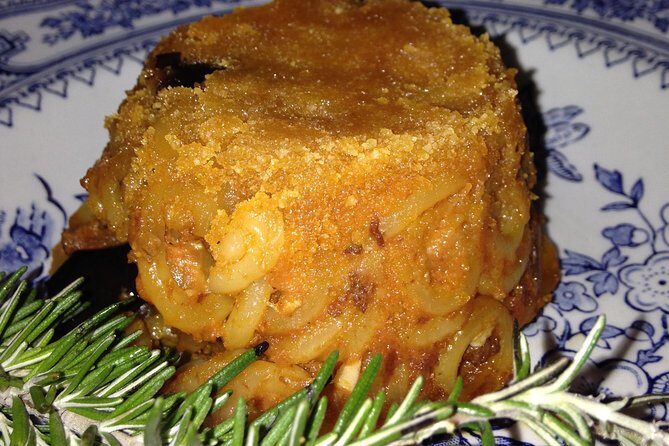
At the end, you sit down for the homemade meal, and it’s served as a full experience—starter, main, and often dessert. The class runs long enough that it feels like a proper meal, not a quick bite.
You’ll eat lunch or dinner depending on your departure time. After cooking, hosts typically plate and serve, so you can focus on tasting without turning your dinner into another work session.
If your goal is to go home and cook Sicilian food without guessing, this is the stage that helps the most. You learn what caponata should taste like when it’s correctly balanced. You understand how busiate sauce behaves in the mouth. And dessert (when included on the day—think cannoli or other Sicilian sweets) gives you the full arc of the cuisine, from savory tang to sweet finishes.
Price and value: $229.29 for 4.5 hours of market-to-meal learning
Let’s talk value in a real way. $229.29 per person isn’t cheap, so the question is what you’re getting for that time.
Here’s what’s included:
- a cooking lesson
- lunch or dinner (depending on start time)
- wine and food tasting
You’re also paying for the market shopping experience and the home-kitchen setting, which is usually where classes either become a production (and feel less personal) or stay small and authentic. In this case, the class caps at 20 travelers, and the format supports hands-on participation. That’s a strong value signal because it’s harder to keep the teaching personal in a bigger group.
Two things that affect your final cost:
- parking fee isn’t included
- no hotel pick-up/drop-off, so you may spend a little time and money getting there yourself
If you already plan to be in central Palermo and you want a hands-on food memory you can repeat at home, this price can make sense. If you’re just looking for a quick food tasting without cooking or ingredient selection, you may feel the cost more than the benefit.
Who this class suits (and who should think twice)
This class is ideal if you want:
- a hands-on cooking day in Palermo, not a lecture
- a market experience tied directly to what you cook
- Sicilian flavors explained through technique (not just recipe reading)
- wine included as part of the meal rhythm
It can also be great for solo travelers, because small-group formats like this tend to make conversation easy and keep you involved at the cutting board and stove.
You might think twice if:
- you strongly prefer to avoid wine tasting (wine is part of the experience here)
- you’re not comfortable navigating to central Palermo on your own (there’s no pick-up)
- you’re traveling with a tight schedule, since the class runs about 4 hours 30 minutes
Diets, English instruction, and what to ask before you go
The class is offered in English, and you may have a multi-lingual guide depending on the operation that day. That matters because cooking terminology can be easier when you share a language with your instructor.
On diets: vegetarian option is available, and you should request it at booking. The operator also asks you to advise dietary requirements when booking, which is the right move if you have allergies or restrictions.
My practical advice: send your dietary needs early and clearly. Don’t assume substitutions will happen automatically. This is a cooking-from-scratch class, and instructors can adapt much better when they know what to avoid before shopping.
Should you book the Sicilian Cooking Class in Palermo?
If you want a Palermo experience that connects food, neighborhoods, and local technique in one half-day plan, I’d book it. The combination of market ingredient shopping, hands-on cooking in a real home kitchen, and a meal with wine pairings is exactly the kind of day that turns into a lasting memory.
Book it especially if:
- Sicilian flavors intrigue you (especially caponata and that sweet-sour balance)
- you like to learn by doing
- you’re happy to eat what you cook, sit down together, and enjoy the social side of a small group
Consider skipping or switching to a different option if:
- you need a more transit-light experience with hotel pick-up
- you don’t want your day shaped around wine
- you’re hoping for a quick tasting tour only, with little actual cooking
FAQ
How long is the Sicilian Cooking Class in Palermo?
The class lasts about 4 hours 30 minutes.
What’s included in the price?
The package includes the cooking lesson, lunch or dinner depending on the departure time, and wine and food tasting.
Is the class offered in English?
Yes, the class is offered in English.
Is there a vegetarian option?
Yes. A vegetarian option is available, and you should advise this at the time of booking.
Where do I meet the group?
You meet at Via Volturno, 78, 90138 Palermo PA, Italy.
Is there a group size limit?
Yes. This activity has a maximum of 20 travelers.
What is the cancellation policy?
You can cancel for a full refund up to 24 hours before the experience starts. If you cancel less than 24 hours before, the amount paid is not refunded.