REVIEW · PALERMO
Palermo: Walking Tour of Historic Markets and Monuments
Book on GetYourGuide →Operated by Palermo a Piedi - Walking Tour · Bookable on GetYourGuide
You can see Palermo’s layers in one walk. I loved the Capo market colors and street-food smells, and I also liked the way the tour connects monuments to stories like Beati Paoli. One catch: the tour runs in Italian only, and cathedral entry requires modest clothing.
Climbing from plaza to church to market, this is the kind of tour where you stop thinking like a tourist and start noticing details. You’ll get practical context fast, especially around the Cathedral and the baroque corners of the center. If you’re short on time or want history without sitting in a classroom, this format works well.
In This Review
- What You’ll Actually Like (And What Might Not Fit)
- Key Highlights to Look For
- The Big Idea: Why This Tour Works in Palermo
- Meeting Point at Feltrinelli: Easy Start, No Guesswork
- Palermo Cathedral: A UNESCO Stop With a Story Behind the Stone
- Teatro Massimo: Italy’s Largest Theater and the Ghost-Legend Angle
- Quattro Canti and Fontana Pretoria: Baroque Corners You Can’t Unsee
- Legends on the Route: Beati Paoli and Santa Rosalia
- Capo Street Market: Where the Day Turns Taste-First
- How the Guides Make the Difference
- Price and Value: What $35 Gets You in 3 Hours
- What to Bring and Wear (So the Tour Flows)
- Who This Tour Suits Best
- Should You Book? My Call
- FAQ
- What is the duration of the Palermo walking tour?
- How much does the tour cost?
- Where is the meeting point?
- Is the tour guided?
- What language is the tour in?
- What’s included in the price?
- Are entry tickets included?
- What should I bring or wear?
- How flexible is cancellation?
- Is there a reserve-and-pay-later option?
What You’ll Actually Like (And What Might Not Fit)
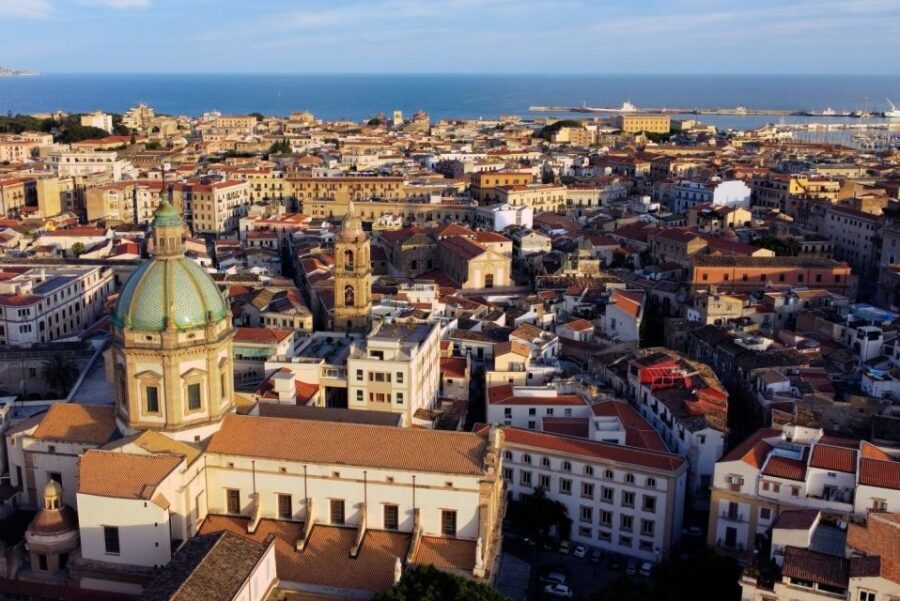
- You’ll taste Palermo street food fresh from the Capo area, not some pre-planned generic snack.
- You’ll visit top landmarks including Palermo Cathedral and the big stage symbol of the city, Teatro Massimo.
- You might need extra budget for entry tickets, since tickets aren’t included.
- You’ll be walking for about 3 hours, so comfortable shoes matter.
- The guide shares local legends, but the whole tour is in Italian only.
Key Highlights to Look For
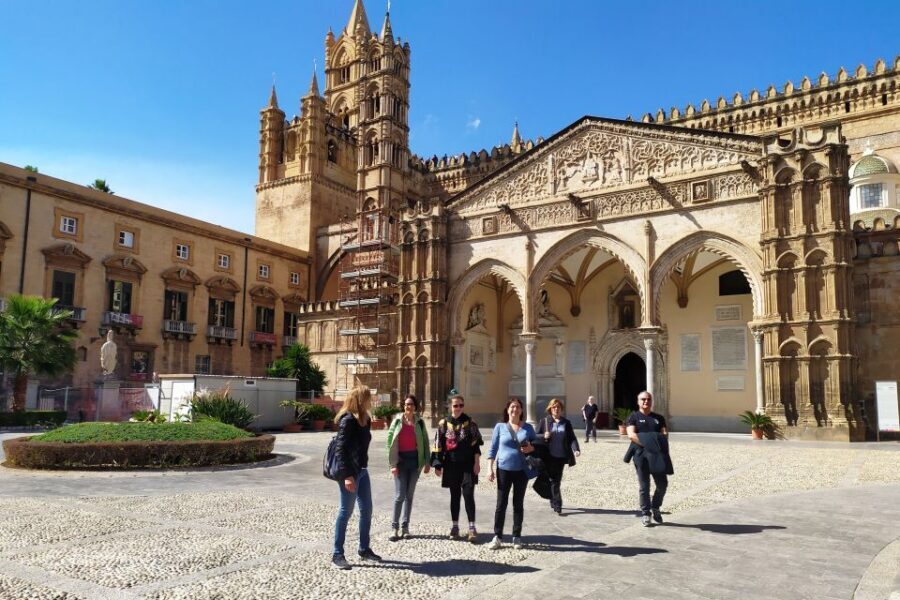
- UNESCO Palermo Cathedral: early-12th-century start, plus how the architecture changed over time
- Teatro Massimo: Italy’s largest theater, with ghostly legends attached to the building
- Quattro Canti and Fontana Pretoria: baroque street-corner drama plus the impressive Piazza Pretoria fountain
- Beati Paoli + Santa Rosalia: local myths and the city’s patron-saint story woven into the walk
- Capo street market food: Sicilian pastries and street food sampled in the market area
Other walking tours we've reviewed in Palermo

The Big Idea: Why This Tour Works in Palermo
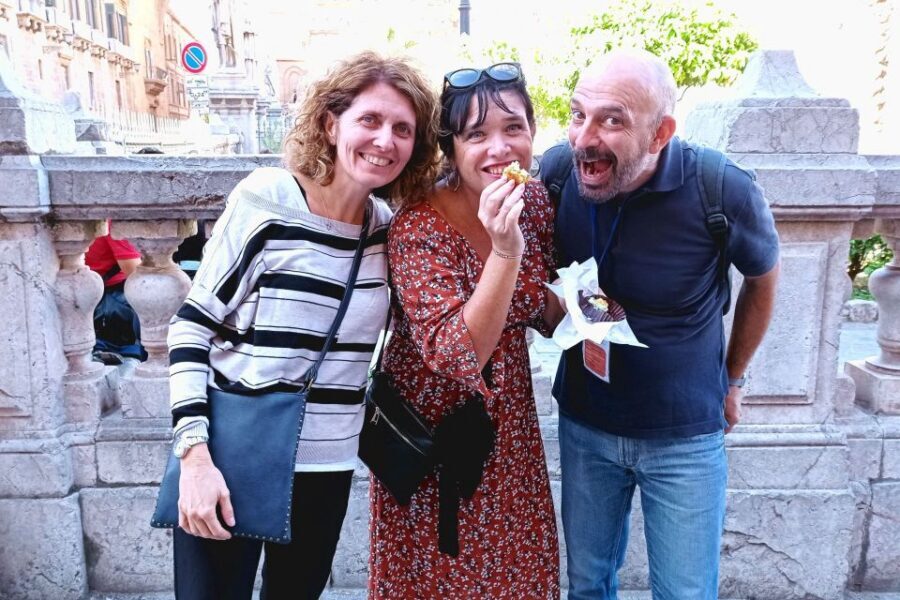
Palermo can feel overwhelming at first—streets twist, churches pop up between everyday life, and markets don’t wait for you to catch your breath. This tour is built to solve that problem. In about three hours, you get a guided route that links major landmarks with the legends and beliefs that locals actually talk about.
What makes it worth your time is the balance. You’re not just ticking off sights like a checklist. You’ll hear why places matter—whether it’s the Cathedral’s long architectural evolution or the stories tied to Teatro Massimo and the Beati Paoli. Then you get to put those stories into your day by walking straight into the Capo market atmosphere and tasting Sicilian street food.
Meeting Point at Feltrinelli: Easy Start, No Guesswork
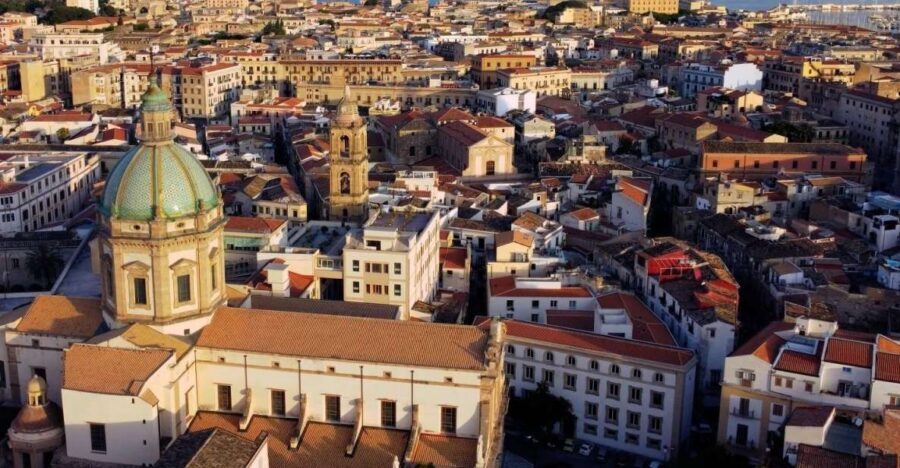
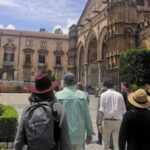
The tour starts in front of the library Feltrinelli, and your guide will wear a red tag that says tour guide. That’s one of those small details that makes a big difference in a busy city center. You don’t need to hunt for a sign or figure out who’s in charge.
A practical tip: be there a bit early and take a moment to spot the red tag before you start looking around for the group. Palermo’s historic center has a lot going on, and arriving calmly makes the first stop feel smoother.
Palermo Cathedral: A UNESCO Stop With a Story Behind the Stone
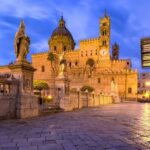
The walk begins by entering Palermo Cathedral, listed as a UNESCO site dating from the early 12th century. This is the moment where the tour’s approach becomes clear: monuments aren’t just objects here. They’re chapters.
You’ll look at the Cathedral’s iconic bell towers and learn how the building’s architecture evolved over time. That matters because Palermo isn’t one-style, one-era city. The Cathedral reflects layers of influence, and the guide helps you notice the shift rather than just pointing at it.
One important note: you must wear modest clothing to enter the Cathedral. If you’re traveling with a light outfit plan, adjust early so you don’t lose time at the door.
Teatro Massimo: Italy’s Largest Theater and the Ghost-Legend Angle
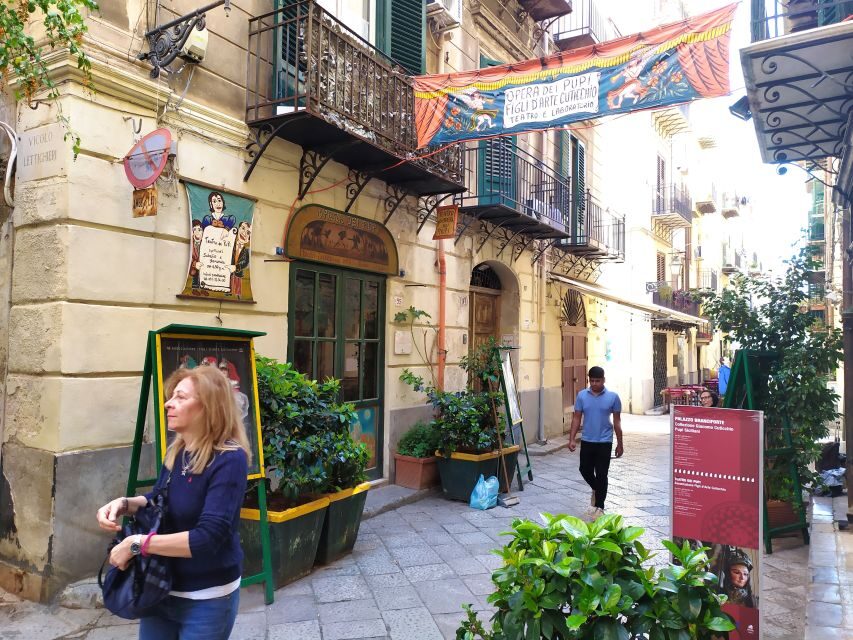
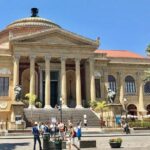
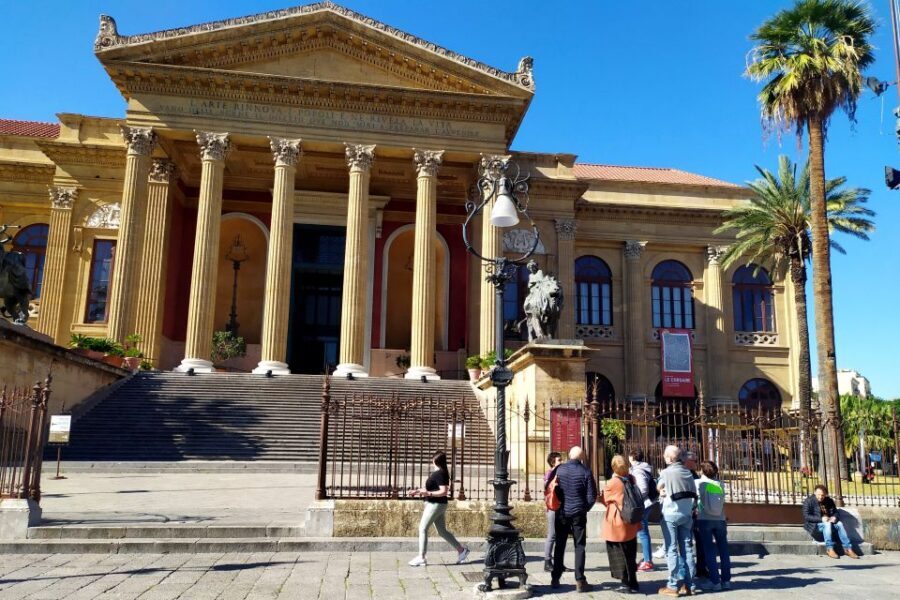
Next up is Teatro Massimo, described as Italy’s largest theater and a symbol of Palermo. If you only think of it as a venue, you’ll miss half the fun. The guide brings the building into local folklore, including ghostly legends associated with the theater.
I like this part because it changes your way of looking. You stop seeing the theater as just a massive facade and start noticing it as a place people mythologize. It’s a real local storytelling tool—one that helps the city feel human, not just historical.
There’s also a practical payoff: after the Cathedral’s sacred space, Teatro Massimo puts you back into the city’s public life. It’s a different vibe, and the contrast is exactly what makes a walking tour like this work.
Other historical tours in Palermo

Quattro Canti and Fontana Pretoria: Baroque Corners You Can’t Unsee
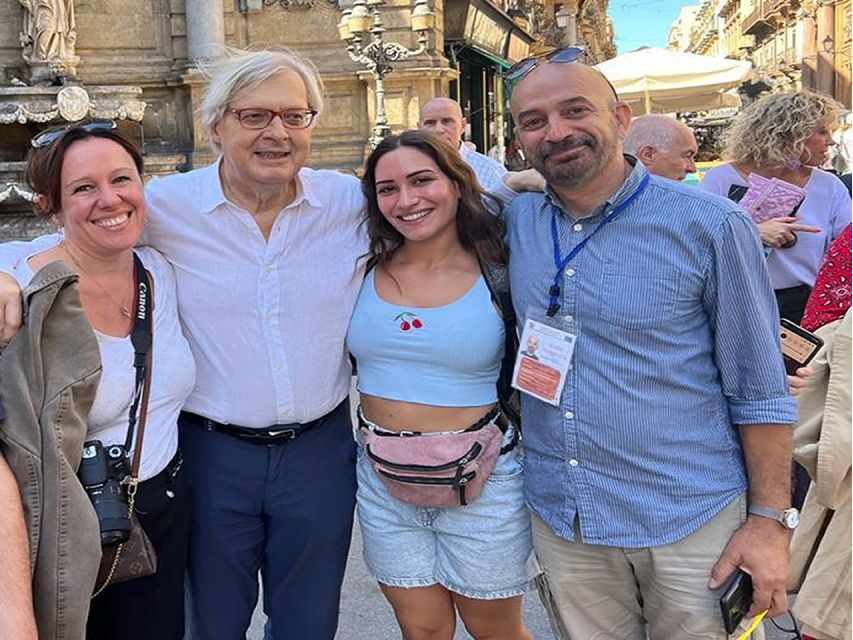
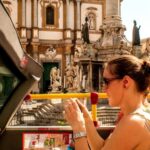
The tour takes you to the baroque Quattro Canti plaza—one of Palermo’s most recognizable street-corner stages. This is the kind of stop where the guide’s explanations help you see symmetry, design, and symbolism instead of just admiring ornate stonework.
From there, you head to Fontana Pretoria in the Piazza of the same name. The fountain is imposing, and it’s the sort of thing you remember because it’s visually loud in the best way. The tour gives you context so you’re not just saying wow, but also understanding why it fits the square.
These two stops are valuable because they teach you how Palermo “frames” its public life. The city isn’t only about churches and markets—Palermo also treats corners and plazas like landmarks.
Legends on the Route: Beati Paoli and Santa Rosalia
One of the most interesting parts of the tour is the focus on local belief systems and legends, not just architecture. You’ll hear about Beati Paoli, a mysterious sect that becomes a thread connecting different areas of the city.
Then there’s the story of Palermo’s patron saint, Santa Rosalia, also known as La Santuzza. This is the kind of information that makes a city feel lived-in. You’ll notice how saints, legends, and local lore show up in what you see and where you stop.
In my view, this is where the tour becomes more than a sight walk. When you understand what locals fear, admire, and remember, Palermo’s historic center stops looking random.
Capo Street Market: Where the Day Turns Taste-First
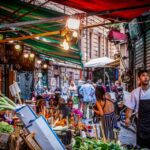
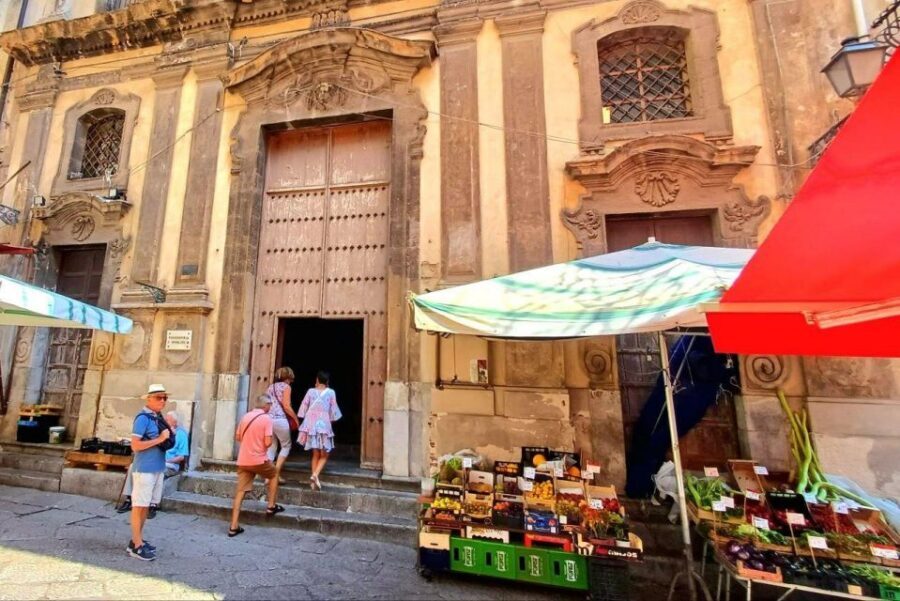
After the monuments, the tour shifts to the Capo street market. This is where the city’s everyday rhythm takes over. You’ll wander through the market area and feel the real sound-and-color environment that makes Palermo markets different from tourist-only shopping streets.
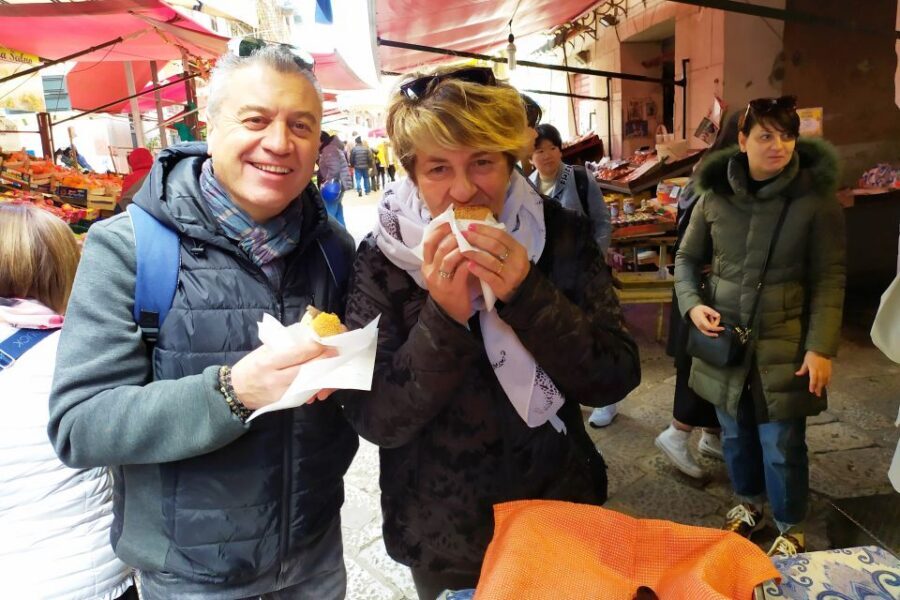
The big moment here is the chance to sample Sicilian street food and pastries fresh from the market area. The tour doesn’t treat food as an afterthought. It’s part of how the guide teaches the city—by letting you taste what the market actually offers.
Practical advice: wear comfortable shoes, and don’t plan on a big formal meal right before or after. Market food is the kind of lunch that can easily turn into your main meal for the day.
How the Guides Make the Difference
This is one of those tours where the guide’s personality matters a lot. In the feedback I saw, guides like Claudio and Fabrizio stood out for being professional and clearly excited to share what they know. One description highlighted Claudio as prepared, enthusiastic, and even ironical and fun—like the kind of person who can keep a group moving without turning it into a lecture.
Another key point from the guides’ reputation: they’re not only reciting facts. They connect those facts to the streets you’re standing on. One comment specifically praised Fabrizio for a wide knowledge base that felt university-level, and for covering everything from the city’s story down to the buildings and streets you cross.
If you want explanations that make the city feel more logical, pick this format. If you only want silent sightseeing, you’ll probably prefer to wander on your own.
Price and Value: What $35 Gets You in 3 Hours
At $35 per person for a 3-hour guided walking tour, this is positioned as a good-value way to cover a cluster of major sights without stitching together multiple tickets and multiple guides. The price includes the guided tour and a professional guide, but entry tickets are not included.
So the true cost depends on what you plan to enter on-site. If you’re the type who likes to see inside and not just photograph exteriors, budget a little extra for entrances. If you’re okay with exterior views where entry isn’t essential, this can stay close to the advertised price and still feel worthwhile.
To me, the best value here is the combination: Cathedral interior time (subject to clothing rules), major public monuments, and a market food stop under one guided storyline. That’s a lot to pack into three hours—especially in a city center where self-guided walks can easily become random.
What to Bring and Wear (So the Tour Flows)
- Comfortable shoes: you’ll be walking through the historic center.
- Modest clothing for the Cathedral: you need to be appropriately covered to enter.
- A curious mindset: a big part of the tour is hearing local legends as you move between sites.
If you’re traveling in warm weather, dress for modesty without overheating. Carrying a light layer can help if you’re stuck between beach clothes and cathedral rules.
Who This Tour Suits Best
This tour is a strong match if you:
- Want major Palermo landmarks in one guided route
- Like history told through stories and local legends
- Enjoy market food as part of the experience, not just a bonus
- Prefer walking over busing between sights
It’s less ideal if you:
- Need the tour in English or another language (this one is Italian only)
- Don’t want to pay extra for entry tickets
- Don’t enjoy walking for a few hours in a busy historic center
Should You Book? My Call
I’d book this tour if you want Palermo to make sense quickly: Cathedral history, baroque plazas, Teatro Massimo stories, and then a food-forward walk through Capo. For the price, it’s efficient, and the guide-driven storytelling is the key reason it feels more memorable than a basic monument loop.
I’d skip or think twice if Italian-only tours are a problem for you, or if you know you’ll be frustrated by modest-dress rules at the Cathedral. In that case, you may prefer a route you can do independently at your pace.
FAQ
What is the duration of the Palermo walking tour?
The tour lasts 3 hours.
How much does the tour cost?
The price is $35 per person.
Where is the meeting point?
Meet in front of the library Feltrinelli. The guide will wear a red tag that says tour guide.
Is the tour guided?
Yes. It includes a professional tour guide.
What language is the tour in?
The tour is in Italian only.
What’s included in the price?
The price includes the guided walking tour and the professional tour guide.
Are entry tickets included?
No. Entry tickets are not included.
What should I bring or wear?
Bring comfortable shoes. Also, you’ll need modest clothing to enter the Cathedral.
How flexible is cancellation?
It offers free cancellation up to 24 hours in advance for a full refund.
Is there a reserve-and-pay-later option?
Yes. You can reserve now & pay later.