REVIEW · PALERMO
Palermo No Mafia walking tour: discover the Anti-mafia culture in Sicily
Book on Viator →Operated by Addiopizzo Travel · Bookable on Viator
Palermo fights the mafia in plain sight. This 3-hour Palermo No Mafia walking tour turns major city landmarks into a story about how organized crime got pushed back through anti-mafia action. I love how the guide connects places like Teatro Massimo and the Palermo Cathedral to real resistance, not movie myths.
I also like the human scale. This is a small group tour (max 15), and the route includes clear, walk-up moments like the 70-meter Wall of Legality and a stop tied to the Addiopizzo campaign against pizzo extortion. Guides here bring serious passion too, with names like Sylvia, Ermes, and Frederico showing up often in feedback for strong, engaging storytelling.
One possible drawback: the experience is message-first. If you come only for art or architecture facts, you may find parts of the walk feel a bit standing-and-speaking, with less time on pure visual sightseeing than you expected.
In This Review
- Key highlights (why this tour earns repeat bookings)
- Palermo No Mafia: what you learn when the story is about resistance
- Price and value: $39.30 for three hours that move
- How the walk runs: pacing, group size, and where it ends
- Stop 1: Teatro Massimo and why rebirth is part of the story
- Wall of Legality: the 70-meter memorial you can actually walk alongside
- The open-air market stop: when extortion meets everyday life
- Piazza della Memoria and the Palazzo di Giustizia: where the fight turned into law
- Cattedrale di Palermo: Catholic Church, power, and pressure
- Cassaro and Addiopizzo: spotting refusal in a shop window
- Palazzo Pretorio and the City Hall angle: politics inside the machine
- The guides make or break the message
- What I’d suggest you do after the tour (so it sticks)
- Who should book this Palermo No Mafia tour
- Quick booking tips to get the best experience
- Should you book the Palermo No Mafia walking tour?
- FAQ
- How long is the Palermo No Mafia walking tour?
- How much does the tour cost?
- Is the tour offered in English?
- What is the maximum group size?
- Where does the tour start and end?
- What’s included in the ticket price?
- Is free cancellation available?
Key highlights (why this tour earns repeat bookings)
- A city route built around resistance to organized crime, not just the crimes themselves
- Teatro Massimo as a symbol of rebirth after decades of Mafia violence
- Wall of Legality (70 meters) lets you connect faces to names linked to victims
- Judges’ memorial time at Piazza della Memoria by the Palerm Court House
- Anti-pizzo street stop on the Cassaro with an Addiopizzo-linked gelato place
- Solidarity contribution via a small quote to Addiopizzo local NGO
Palermo No Mafia: what you learn when the story is about resistance
If your idea of the Mafia comes mostly from TV or film, this tour resets the mood fast. You’re not walking past the usual “crime scene” highlights. You’re seeing how Palermo’s people, institutions, and ordinary shopkeepers fought back in public, over time.
The tone stays grounded: extortion (pizzo), corruption, and intimidation are real themes here. But the tour is built to show what came after—how judges, prosecutors, the Church, and local grassroots efforts helped weaken that grip. That approach is why this walk feels different from a standard “Mafia history” stroll.
You’ll also get practical value out of the route. By the end, you’ll know your way around key areas of Palermo’s center—where to go next, and what to look for when you’re on your own.
Other anti-mafia walking tours in Palermo
Price and value: $39.30 for three hours that move
The price is $39.30 per person for an ~3-hour guided walk in English, with a mobile ticket. On the face of it, it isn’t the cheapest thing on your list, but the value comes from a few smart pieces working together.
First, the stops are timed so you’re not just reading plaques from a distance. You’ll be close to major landmarks while also getting context for what happened around them. Second, several stops are listed with admission ticket free, so you’re not hit with add-on entry fees mid-walk. Third, your ticket includes a local solidarity contribution tied to Addiopizzo, a grassroots effort connected to anti-extortion and anti-mafia work.
The small group limit (max 15) matters here too. When the topic is heavy—names, victims, and institutional pressure—space to ask questions makes the experience feel more human and less like a scripted lecture.
How the walk runs: pacing, group size, and where it ends
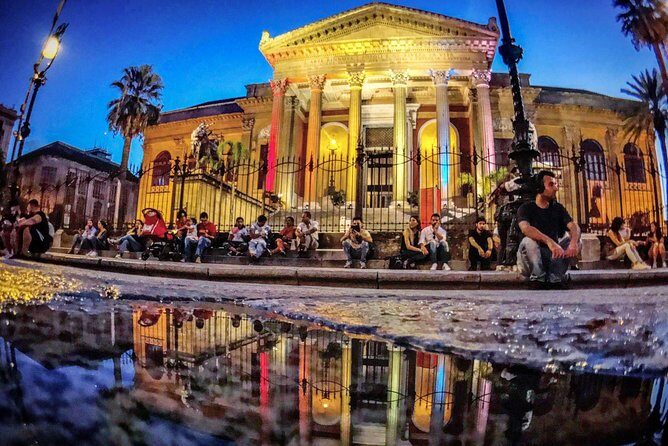
You’re looking at a route that starts at P.za Giuseppe Verdi, 455 and finishes near Fontana Pretoria (Piazza Pretoria) in the old-town heart. That finish point is handy: after the tour, you’re already where you can keep exploring and, yes, where eating options show up fast.
Most of the walk is straightforward on foot. The tour encourages comfortable shoes, and if the weather turns, you’ll want an umbrella and a dry jacket. It’s also near public transport, so it’s easy to plug into your day even if your schedule shifts.
One thing to keep in mind: this is a story-driven walk. A few people in feedback noted more standing time than they expected, which can be tough if you prefer a pace that’s more step-by-step. If that sounds like you, plan for a quick break mindset. It’s still a 3-hour tour, so building in patience will help.
Stop 1: Teatro Massimo and why rebirth is part of the story
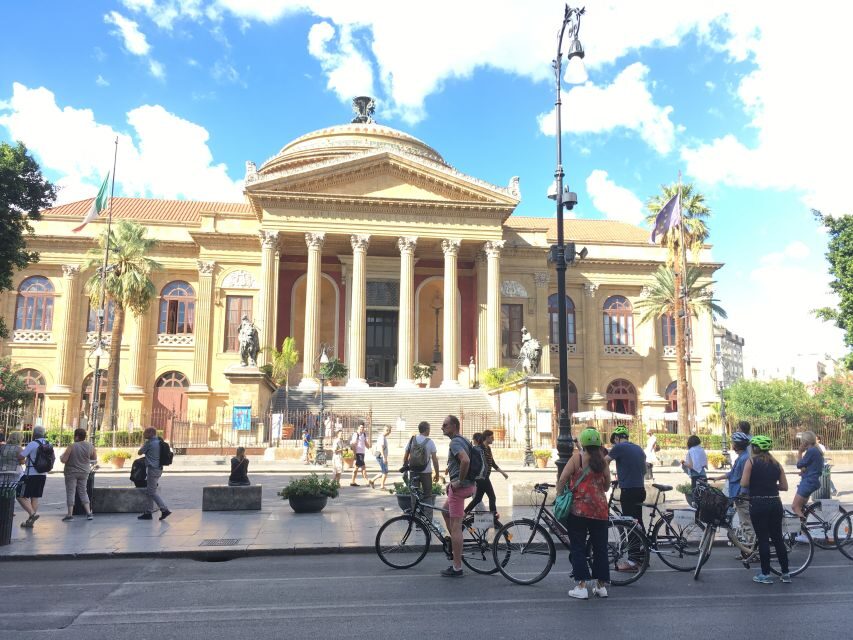
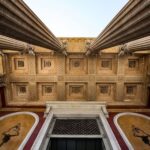
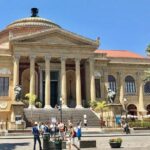
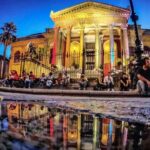
Your first big landmark is Teatro Massimo. It’s famous for opera, and it’s also tied to a dramatic moment in The Godfather III. But the tour doesn’t stop at cinematic fame. It frames the theater as a symbol of Palermo’s rebirth after decades of Mafia violence.
Why this matters for your understanding: it’s an early reminder that the city’s story isn’t only about fear. It’s about rebuilding, public identity, and reclaiming culture. You’ll likely find yourself looking at the building differently after the guide connects it to the idea of recovery and civic pride.
Practical note: this stop is listed around 30 minutes, with admission free. That’s a decent window to read the mood of the area and settle your bearings before the tour shifts into more intense themes.
Wall of Legality: the 70-meter memorial you can actually walk alongside
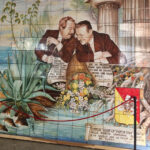
Next comes one of the most visually memorable stops: the Wall of Legality, the longest wall painting in Italy (70 meters). Instead of vague history, it uses faces and names—connected to well-known Mafia victims—placed into an urban renovation setting.
This is where the tour’s anti-mafia focus becomes very clear. You’re not just learning facts; you’re looking at the people behind the impact. It also gives you a practical advantage: it’s an easy stop to photograph without rushing, because you can stand, take it in, and move along the painted length.
The best way to experience it: slow down. Even if your phone wants to snap everything fast, give yourself a few minutes to read and absorb. That’s the point of a wall like this. It’s meant to be walked with, not glanced at.
Other walking tours we've reviewed in Palermo

The open-air market stop: when extortion meets everyday life
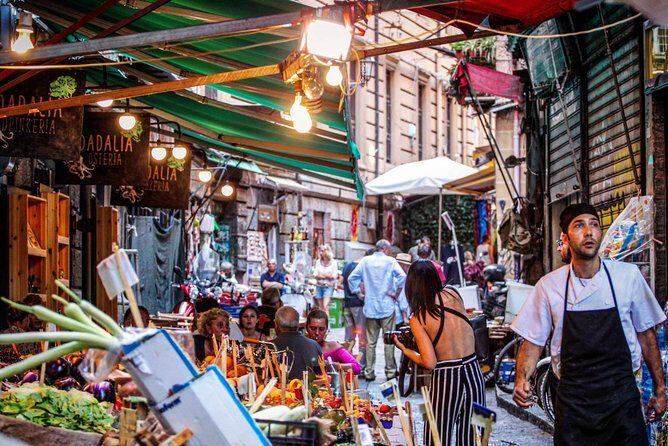
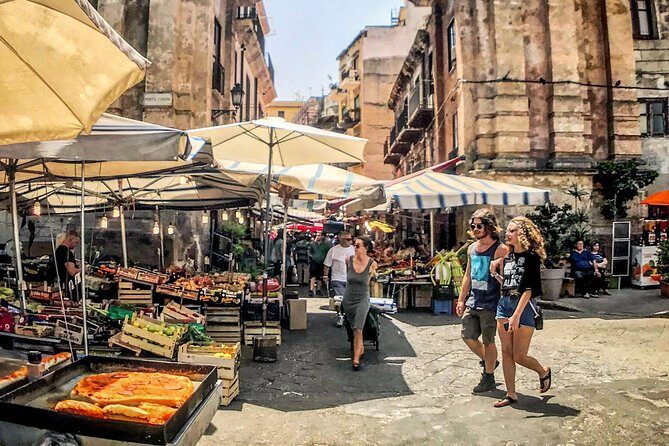
Then the tour heads into the colorful old open-air market area, described as a loud, lively space. Here, the relationship between the Mafia and shopkeepers becomes part of what you understand through the atmosphere as much as through the words.
This part helps you grasp something movies often miss: intimidation works best when it’s embedded in daily routines. If pizzo is paid, it changes prices, choices, and even who feels safe enough to speak up. If shopkeepers refuse, they can become targets—but they also become visible proof that resistance is possible.
Also, this is a smart moment in the route. After two strong memorial-type stops (theater + wall), the market is where the guide can translate those themes back into how people live and trade. It makes the next institution-heavy stops land better.
Piazza della Memoria and the Palazzo di Giustizia: where the fight turned into law
After the market scene, you’ll reach Palazzo di Giustizia and the nearby Piazza della Memoria. This memorial is dedicated to judges and prosecutors killed by the Mafia.
This is a heavy stop, and it’s also one of the most important in terms of how the story develops. The Mafia doesn’t only threaten individuals; it challenges the credibility of justice itself. When the tour talks about judges and prosecutors, it’s describing how the anti-mafia struggle became a long institutional battle, not just a street-level push.
Why I think this stop is valuable for you: it gives your brain a framework. You start to see the conflict as a system—corruption, fear, enforcement, and the long effort to protect rule of law. If you want to understand what anti-mafia work looks like beyond slogans, this is where that picture forms.
Cattedrale di Palermo: Catholic Church, power, and pressure
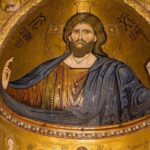
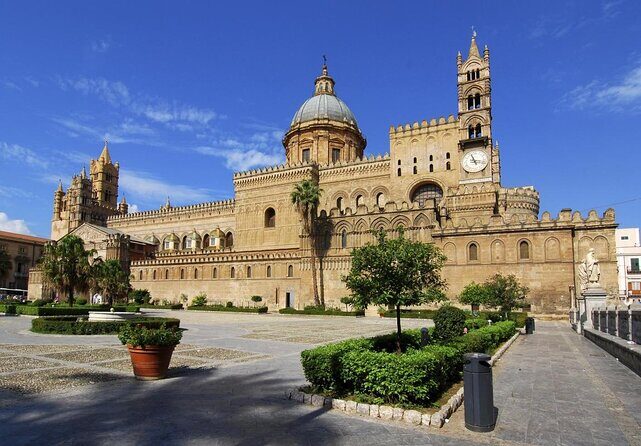
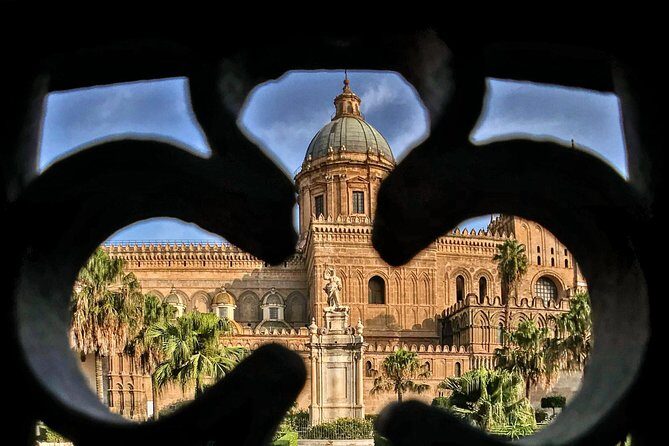
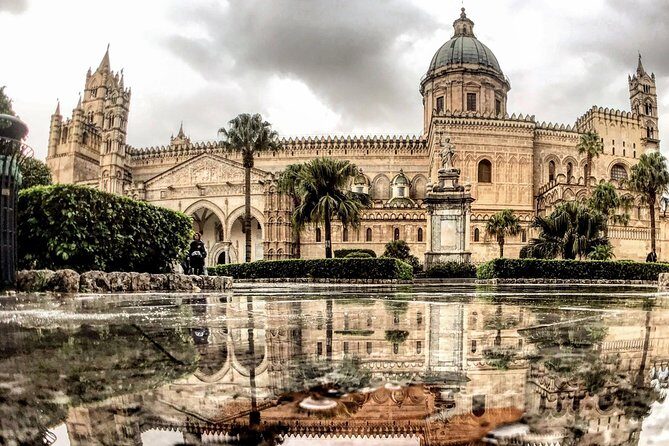
Your next stop is Cattedrale di Palermo, the spectacular Arab-Norman Cathedral. The guide talks about the relationship between the Catholic Church and the Mafia.
This section can be emotionally tricky, but it’s also where Palermo becomes more than a set of tourist photos. The guide’s goal is to show how influence, compromise, and resistance can exist around the same institutions that people associate with morality and stability.
You’ll probably notice two layers as you listen: the architectural beauty is right there, but the guide points your attention to what happened around the church’s social role. It turns a “must-see cathedral” into a “how society worked under pressure” lesson.
Practical note: this stop is listed for about 15 minutes with admission free in the tour context. It’s not meant to replace a full cathedral visit; it’s meant to prime your understanding so that, if you return later, you see more.
Cassaro and Addiopizzo: spotting refusal in a shop window
Along the Cassaro, the tour brings you to a gelato stop with an orange sticker on the window. This place is connected to the Addiopizzo grassroots movement, which promotes anti-pizzo critical consumption.
The idea is simple and powerful: some business owners refused the extortion racket and publicly aligned with a mafia-free consumption campaign. The tour invites you to stop in and support them through a small purchase.
Why this works as a travel moment (not just a politics lesson): you’re making resistance visible with your wallet. It’s also an easy way to take in the message without turning the whole tour into a lecture. You get context, then you act on it in a low-stakes way.
If you’re short on time after the tour, this stop also helps because you’re already in an area where continuing on foot makes sense.
Palazzo Pretorio and the City Hall angle: politics inside the machine
The walk continues to Palazzo Pretorio, linked to the Municipio di Palermo (Palermo City Hall). The tour frames City Hall as having been the seat of corrupted politicians, but also of people fighting against the Mafia.
This stop matters because it connects the story to how power actually moves. You can understand extortion and intimidation from the streets, but City Hall adds the governance layer: who signed off, who looked away, and who risked their position to fight back.
It’s also a reminder that anti-mafia work isn’t only about heroic individuals. It involves committees, decisions, public legitimacy, and a willingness to challenge systems even when it’s dangerous.
At about 15 minutes, it’s brief enough to keep momentum while still landing the main point: the struggle is political, not just criminal.
The guides make or break the message
The strongest praise in feedback centers on the guides’ delivery: passionate, clear, and able to answer questions. You’ll see names like Sylvia, Ermes, Frederico, Marienella, and Salvador associated with tours that explain both origins and how the anti-mafia movement reduces the Mafia’s appeal today.
That matters because this is one of those topics where tone can go off the rails fast. The best guides keep it factual and human: what happened, how it changed, and what people did afterward. If you’re the kind of person who hates vague storytelling, this tour seems to perform well for you.
One more thing: several accounts mention that the tour helps people separate stereotypes from reality. That’s a big win, especially if you’ve only absorbed Mafia ideas through stereotypes and glamour.
What I’d suggest you do after the tour (so it sticks)
Once the tour ends in the old-town area near Fontana Pretoria, don’t treat the experience like a standalone event. Use it as a lens for the rest of your Palermo time.
Here’s a practical way to do that:
- When you see monuments or institutions, ask yourself what kind of power they represented in daily life.
- When you pass ordinary streets and shops, remember the extortion angle the guide described, and notice how resistance can be ordinary too.
- If you revisit places you saw on the tour, you’ll likely notice details you missed the first time, because your brain already has context.
If you’re the museum type, it may also nudge you toward deeper reading. Feedback includes mentions of returning to museums afterward to extend the story, and it makes sense: a walking tour can prime your understanding, but you still need more time for the deeper layers.
Who should book this Palermo No Mafia tour
You’ll enjoy this most if you want:
- A Palermo orientation that’s more than sightseeing bookmarks
- A clear explanation of how the Mafia shaped daily life and how anti-mafia efforts pushed back
- A human-scale, small-group tour with space for questions
- A visit to major landmarks with added meaning, especially Piazza della Memoria and the Wall of Legality
This is also a good choice if you’ve reached Sicily and realize you want to understand the country beyond postcard images. Palermo has layers, and this is one of the more direct ways to get oriented.
If you hate heavy topics or you’re expecting a mostly art-and-architecture walk, you may feel the message takes center stage. That’s not a flaw. It’s the product.
Quick booking tips to get the best experience
- Wear comfortable shoes. You’ll be on your feet for about 3 hours.
- If rain is possible, bring an umbrella and a dry jacket.
- Bring a photo-friendly mindset for the Wall of Legality, where you’ll want time to read and take pictures.
- If you’re coming in the afternoon, build a little buffer afterward for exploring around Fontana Pretoria.
Also, plan ahead. This experience is typically booked about 24 days in advance on average, so you’ll want to lock in your preferred time window early.
Should you book the Palermo No Mafia walking tour?
Yes, I’d book it if your goal is to understand Palermo honestly. This tour offers major landmarks, but it gives them purpose. It’s also one of the better values on the board because you get a guided explanation, several free-admission stops in the tour flow, and a link to Addiopizzo’s real-world anti-pizzo work.
Skip it only if you’re looking for a lightweight, purely historical walk with minimal emotional weight. The message is the point here. If that sounds like what you want, you’ll leave with a stronger grasp of how Sicily’s anti-mafia story became a long public effort, not just a crime headline.
FAQ
How long is the Palermo No Mafia walking tour?
The tour is approximately 3 hours.
How much does the tour cost?
It costs $39.30 per person.
Is the tour offered in English?
Yes, it’s offered in English.
What is the maximum group size?
The tour has a maximum of 15 travelers.
Where does the tour start and end?
It starts at P.za Giuseppe Verdi, 455, 90133 Palermo PA, Italy, and ends at Fontana Pretoria, Piazza Pretoria, 90133 Palermo PA, Italy.
What’s included in the ticket price?
A local guide is included, along with a small contribution to the Addiopizzo local NGO.
Is free cancellation available?
Yes. You can cancel up to 24 hours in advance for a full refund. If you cancel less than 24 hours before the experience starts, the amount paid will not be refunded.