REVIEW · PALERMO
Palermo: Pasta and Tiramisu Cooking Class with Wine
Book on GetYourGuide →Operated by The Roman Food Tour · Bookable on GetYourGuide
Three hours in Palermo, then dinner at your table. You start with Prosecco and get step-by-step pasta dough coaching, not a hands-off show. This is a real, sit-down cooking class where you learn the dessert and the main event, then eat with wine at the table.
I like that the setup feels intimate and guided, including an English-host experience (George has hosted) and chefs who work alongside you (Chef Simone is one example). One consideration: at this price point, you may wish for a slightly bigger meal or a small extra course, since the portion size and overall value can feel tight for some people.
In This Review
- Key Highlights You’ll Actually Care About
- Carlo V Meeting Point and Why the Location Sets You Up
- Prosecco First, Then Apron On: Getting Into the Cooking Rhythm
- Tiramisu Workshop: Classic Technique and What Makes It Work
- Pasta From Scratch: Dough Feel, Flour Choices, and Pasta Fresca vs Secca
- What You Eat at the Table: Lunch or Dinner, Wine Included
- Price and Value: Is $53.47 Worth It in Palermo?
- Who This Class Suits Best (And Who Might Hesitate)
- Tips to Get the Most Out of Your 3 Hours
- Should You Book Palermo Pasta and Tiramisu With Wine?
- FAQ
- Where does the class start?
- How long is the cooking class?
- What’s included in the price?
- Is hotel pickup included?
- What language is the tour guide?
- What should I bring, and is there anything I can’t do?
Key Highlights You’ll Actually Care About
- Prosecco on arrival sets the tone before you touch any flour
- Tiramisu coaching includes technique plus the story behind the classic dessert
- Fresh pasta vs dried pasta (pasta fresca vs pasta secca) taught through practical differences
- Small, hands-on class energy where the chef can help with what you’re doing, not just what you’re watching
- Lunch or dinner + a glass of wine so you eat what you made
Carlo V Meeting Point and Why the Location Sets You Up
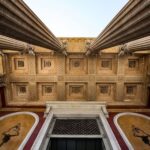
This class meets at the restaurant Carlo V (Carlo Quinto), and it’s about 100 meters from Quattro Canti. That matters more than it sounds. You can line it up easily with the rest of your Palermo day, and you’re not dealing with a long transfer or vague “nearby” meeting points.
No hotel pickup is included. So plan to arrive on your own a little early, then relax once you’re inside. If you’re trying to pack in sightseeing, this location keeps the friction low.
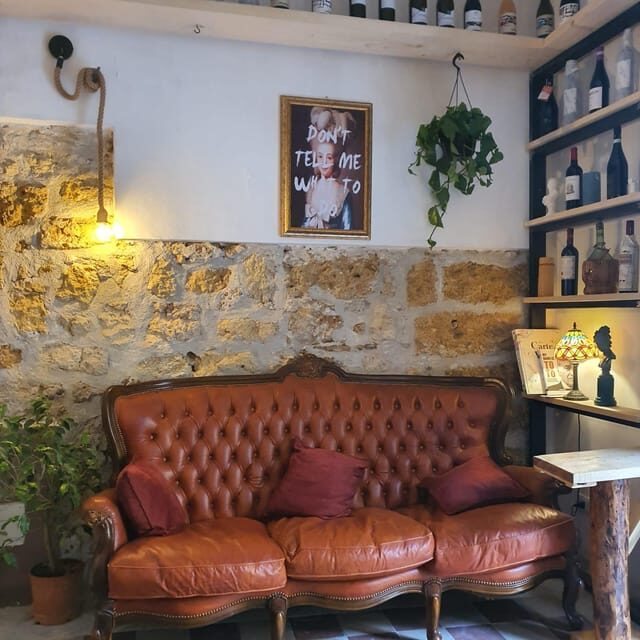
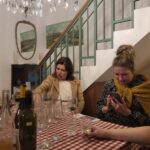
The restaurant setting is also part of the value. You’re not cooking in a demo kitchen that feels separate from real dining. You’re in a popular Palermo restaurant, where your class ends in a proper sit-down meal.
Other cooking classes in Palermo
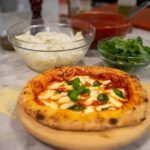
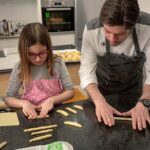
Prosecco First, Then Apron On: Getting Into the Cooking Rhythm
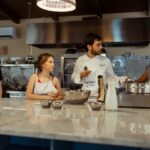
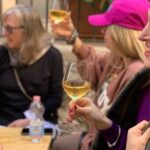
When you arrive, you’re greeted with a welcome glass of Prosecco. It’s a simple touch, but it changes the feel. Instead of walking into something formal, you start like you’re joining the restaurant for an evening.
After that, you’ll wash your hands, get an apron, and begin with tiramisu prep. This pacing is smart. Dessert feels manageable at first, and it gets you working quickly while you’re still fresh and alert.
You’re also with an English live tour guide, so you’re not stuck guessing. The guidance is step-by-step, and that’s a big deal for a kitchen class. Pasta dough can be tricky if you don’t know what the dough should feel like. Here, you get that “do this, then check this” kind of coaching.
Tiramisu Workshop: Classic Technique and What Makes It Work
The tiramisu portion is built around a classic approach, with history and the practical secrets behind making it right. The biggest takeaway is usually texture and timing. Tiramisu is easy to mess up if the cream is off, or if the layers sit too long before serving.
In your session, you’ll work through the dessert as you go, and you’ll learn what makes a good tiramisu different from a mediocre one. For example, you don’t want it too wet or too stiff. You also want those layers to hold together when you cut and serve.
Expect the chef and host to guide you through assembly details, not just tell you the “ingredients list.” That hands-on instruction is one reason the class gets such strong feedback.
You’ll also likely get a sense of why tiramisu became a go-to Italian dessert. It’s not just sweet and creamy. It’s built on contrast—coffee bitterness against creamy richness, plus cocoa on top. Getting the method right is what turns it from “okay” into “wow,” and this class focuses on that.
And yes, the atmosphere helps. One review called the chef silly, and that kind of relaxed humor makes technique feel less intimidating.
Pasta From Scratch: Dough Feel, Flour Choices, and Pasta Fresca vs Secca
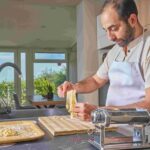
Once tiramisu is handled, you move to your workstation for the pasta part. This is where the class earns its keep. You’re taught how to make pasta dough from scratch with step-by-step guidance, including which type of flour to use and the key differences between pasta fresca and pasta secca.
Here’s why that comparison matters for you at home. Fresh pasta (pasta fresca) and dried pasta (pasta secca) cook differently and behave differently in the kitchen:
- Fresh pasta has higher moisture and cooks quickly, often requiring less time than dried pasta.
- Dried pasta is shelf-stable and has a firmer bite, which can change sauces and timing.
The class isn’t only about getting to the end result. It’s about understanding why your dough reacts the way it does, and why the cooking step changes based on the pasta type. That’s the difference between following a recipe and actually learning.
Also, the class is not just “make dough and hope.” You get guidance on preparing the dough properly, and you can adjust as you go. This is the part where small group dynamics help. When the group is small enough, the chef can check what you’re doing and correct course quickly.
You’ll be eating later, so the pasta lesson stays grounded in real outcomes. You learn, you taste, and you see how the dough turns into something that actually belongs on a plate.
Some classes in this format include more than one pasta preparation. At minimum, you should expect that the pasta lesson is substantial, not a quick one-dough-and-done experience.
What You Eat at the Table: Lunch or Dinner, Wine Included
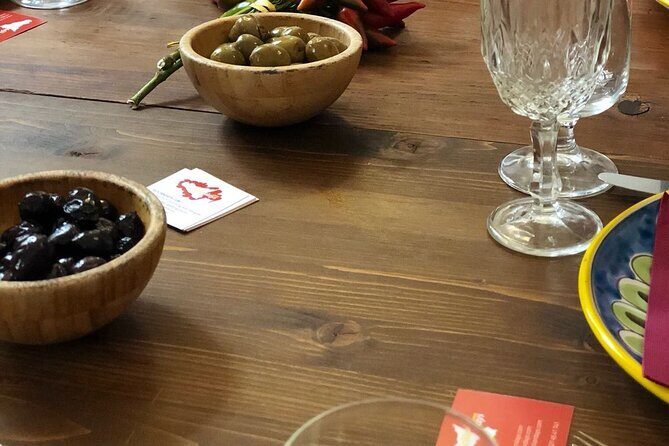
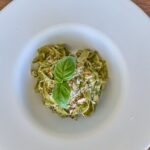
At the end, you gather around the table for lunch or dinner, complemented by a glass of wine. This is one of the best parts for value. Many cooking classes make you cook, then send you off with a snack. Here, the payment turns into a full meal experience.
Wine pairing also makes the whole session feel like a real night out in Palermo. Prosecco starts the evening, then wine follows with your food. It’s not just the drinking part. It’s that the restaurant experience continues after the cooking is done.
And because you sit down to eat what you made, you get quick feedback. If something needed more salt or more sauce, you’ll feel it right away. If the dough was too thick or too thin, you’ll notice it instantly. That direct link between technique and taste is how you improve for your next attempt at home.
One detail worth noting: some people felt the class was slightly expensive for the amount of food, with a suggestion that a small starter or larger portions would make the value feel better. So if you’re a big eater, go in hungry, but keep expectations realistic.
Other wine tours in Palermo
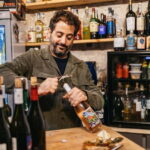

Price and Value: Is $53.47 Worth It in Palermo?
At $53.47 per person for a 3-hour class that includes Prosecco, wine, apron, and lunch or dinner, the value equation is pretty clear. You’re paying for instruction, a guided kitchen experience, and a sit-down meal built around your work.
The class is especially good value if you care about learning technique, not just taking photos. Pasta dough and tiramisu assembly both benefit from a real person correcting your steps. That’s hard to replace when you’re learning solo at home.
The main argument against is meal size and feel. A review mentioned it can seem a bit pricey when you compare it to what you’d pay at a restaurant with a group. Another review suggested that adding a small extra course or giving slightly larger portions could improve perceived value.
My practical take: if your goal is cooking skills plus a fun evening meal, it’s good value. If your goal is a large, restaurant-style feast with minimal effort, you might feel you’re paying more for the lesson than for the food volume.
Who This Class Suits Best (And Who Might Hesitate)
This class is ideal for you if:
- You want hands-on instruction in pasta dough and tiramisu assembly
- You like cooking as an activity, then enjoying the results right away
- You’d rather have an English guide than rely on a language barrier
It may not be the best fit if:
- You’re mainly looking for a long, heavy meal experience
- You strongly prefer large portions over learning technique
- You’re the type who wants a private, custom menu (this is run like a restaurant class, not a bespoke event)
Also bring comfortable shoes and comfortable clothes. You’ll be working at a workstation, and you’ll want to move easily. Smoking is not allowed.
Tips to Get the Most Out of Your 3 Hours
The class moves through two big skills: tiramisu, then pasta dough. So show up ready to work.
A few practical habits help:
- Pay attention to the dough feel cues, not just the steps. That’s where you’ll learn the most.
- Ask quick questions while you’re still in the method, not after you’ve finished.
- Take the recipes home and treat them like a starting point. The value here is learning what to adjust when it’s your turn.
One nice extra mentioned in feedback is that you get recipes to take home. That turns your new skills into something you can actually repeat later.
Should You Book Palermo Pasta and Tiramisu With Wine?
I’d book it if you want a fun, guided Sicilian cooking night that ends with a real meal and drinks, and you like the idea of learning pasta fresca vs pasta secca through hands-on practice. It’s also a solid choice if you’d rather experience Palermo from inside the kitchen culture instead of only eating your way through restaurants.
I’d think twice if you’re expecting a huge feast or you’re budget-focused on portion size. The format is “learn and eat what you made,” not “load up on multiple courses and leave stuffed.”
If you match the goal, this class is one of the more satisfying ways to spend an evening in Palermo: you leave with skills, recipes, and a dessert-and-pasta memory you can recreate later.
FAQ
Where does the class start?
The meeting point is the restaurant Carlo V (Carlo Quinto).
How long is the cooking class?
It lasts 3 hours.
What’s included in the price?
You get a welcome glass of Prosecco, the pasta and tiramisu cooking class, lunch or dinner, a glass of wine with your meal, and an apron.
Is hotel pickup included?
No, hotel pickup and drop-off are not included.
What language is the tour guide?
The live tour guide speaks English.
What should I bring, and is there anything I can’t do?
Wear comfortable shoes and comfortable clothes. Smoking is not allowed.