REVIEW · PALERMO
Discover the Charm of Palermo: A 3-Hour UNESCO Sites Walking Tour
Book on Viator →Operated by Towns of Italy · Bookable on Viator
Palermo’s UNESCO trail moves fast, and it pays off. In 3 hours you hit Cathedral di Palermo (included entry) and Palermo markets for a real sense of the Norman-Arabic mix. One heads-up: the famous Palatine Chapel mosaics are mainly explained from the route, since Royal Palace entry isn’t included.
I love how the walk uses street-level stops instead of only monuments. Guides like Valeria, Peter, Fabio, Renata, and Laura are name-checked in real-world experience, and you can feel the difference between a list and a story. Most days also include an audio system so you don’t miss key details while you’re moving.
With a small max group size of 20 and a typical booking window around a month ahead, this is a smart first-day plan. Your only real tradeoff is that the pace stays efficient—great if you want to cover ground, less great if you’re slow and want long lingering moments.
In This Review
- Key highlights you’ll feel right away
- Palermo in a single walk: what you cover in 3 hours
- Teatro Massimo to the Victory Galleria: start with grandeur, then move to everyday Palermo
- San Domenico to La Martorana: churches that explain Palermo’s cultural blend
- Quattro Canti and Piazza Pretoria: Palermo’s Baroque street geometry
- Cattedrale di Palermo: Norman layers you can actually see inside
- Villa Bonanno and Palazzo dei Normanni: gardens, remnants, and the Palatine Chapel story
- Food stop and comfort tips for Palermo’s streets
- Value, pacing, and who this tour is best for
- Should you book this Palermo UNESCO walking tour?
- FAQ
- What is the duration of the Palermo UNESCO walking tour?
- How much does the tour cost?
- Is the tour in English?
- Are tickets included for the Cathedral?
- Is the Palatine Chapel visit included?
- Where does the tour start?
- Does the tour run in bad weather?
- Is there free cancellation?
Key highlights you’ll feel right away
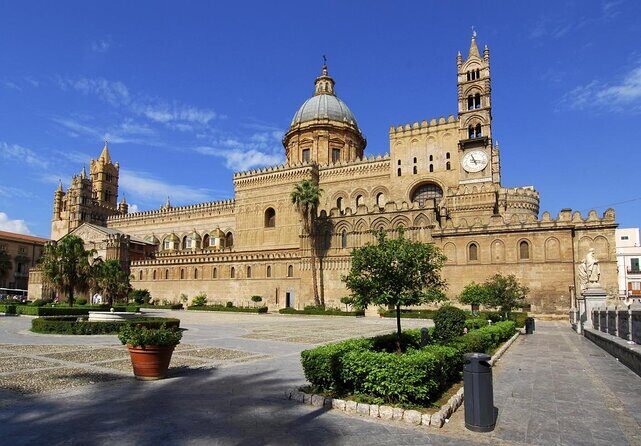
- Included Cathedral di Palermo entry so you get inside the Norman masterpiece, not just a photo stop
- Markets and fountains on the Cassaro axis that show Palermo’s daily rhythm, not museum-only history
- Quattro Canti and Piazza Pretoria for the city’s theatrical Baroque street-corner design
- La Martorana (Santa Maria dell’Ammiraglio) for the Norman-Byzantine church connection and cultural blend
- Licensed English-speaking guide with audio support so the facts land while you walk
- Cannolo or granita included to keep the tour grounded in local food culture
Palermo in a single walk: what you cover in 3 hours
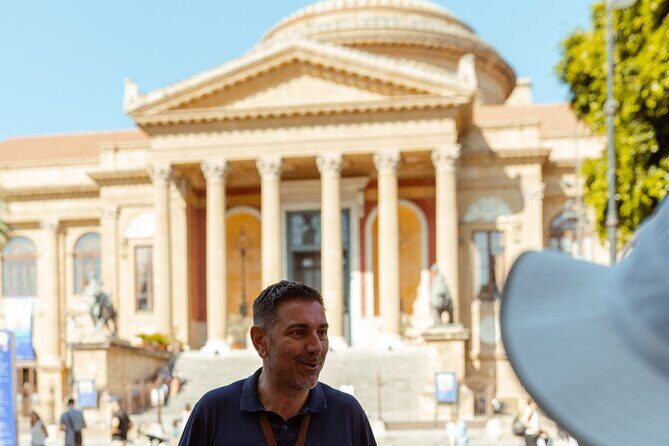
This tour is built for orientation. In about three hours you’re guided through the historic center’s big UNESCO-linked themes—Norman power, Arab-Norman art, and the Baroque street theatre that grew around it.
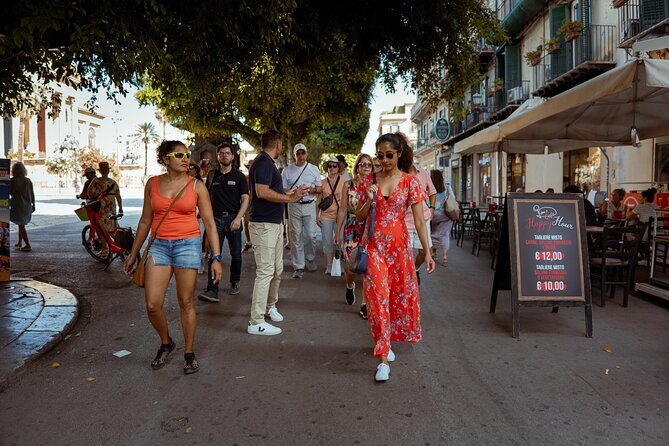
I like that you don’t just bounce from famous landmark to famous landmark. You also pass through spaces that feel like where Palermitani actually live their lives: markets, courtyards, and street crossings that make the city readable.
It’s also a practical length. Three hours is long enough to learn the patterns, but short enough that you can still build your own afternoon plan right after.
Other UNESCO and historic site tours in Palermo
Teatro Massimo to the Victory Galleria: start with grandeur, then move to everyday Palermo
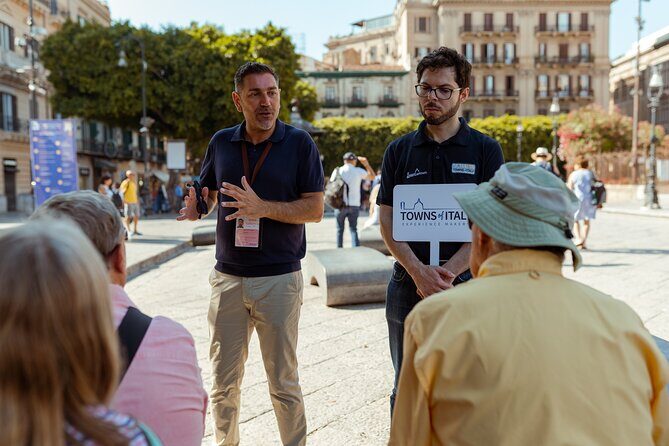
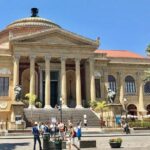
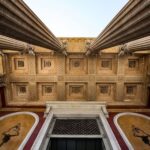
Your walk begins at Teatro Massimo Vittorio Emanuele, the huge opera house on Piazza Verdi. It’s dedicated to King Victor Emanuel II, and the scale matters—at opening it was among the largest in Europe, and the hall is famous for its acoustics.
From there you pivot toward the city’s commercial past with a stop outside the Galleria delle Vittorie (the Victory Gallery). The building started life as a multi-story commercial mall on Via Maqueda, then later showed decades of wear and attempted restorations. It’s a reminder that Palermo changes, and not every change is pretty.
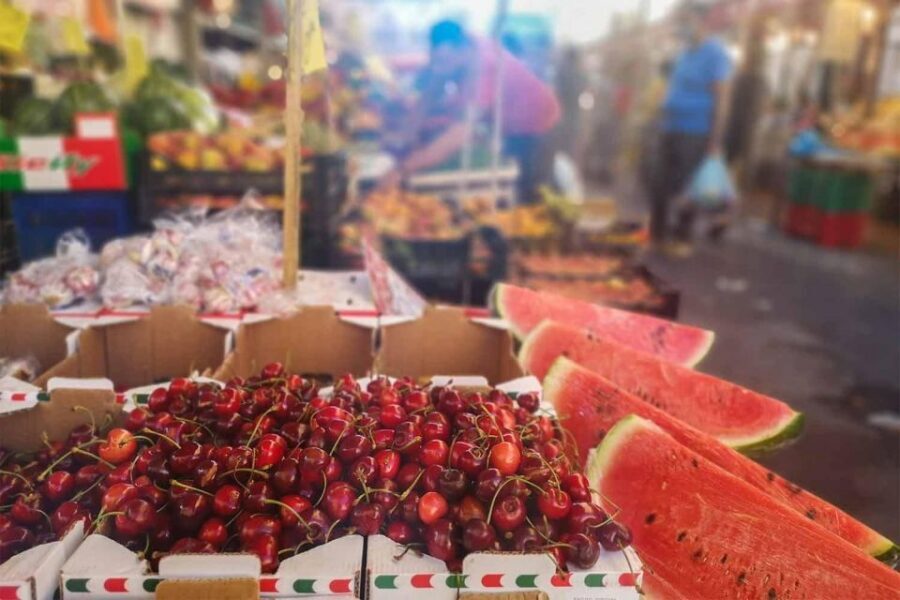
Next comes the energy shift: crossing through Via Bandiera where you encounter a typical open-air market. This is one of those stops that feels small until your guide explains what you’re seeing. You’re not just watching commerce; you’re watching how neighborhood life shapes the city.
If you’re the type who likes your walking tours to include real street texture, this first segment is a good fit. It also helps you get comfortable with the pace before you hit the heavier monuments.
San Domenico to La Martorana: churches that explain Palermo’s cultural blend
One of the tour’s strongest stretches is the run of churches tied to identity. You stop at Chiesa di San Domenico, a beloved church near the square that dominates the area. It’s often described as a Pantheon of illustrious men of Sicily, and it carries symbolism tied to the fight against the mafia.
Then you move through the Piazza Caracciolo market area, where alleyways and nearby streets create a maze-like shopping and snack scene. The tour connects that food-and-stalls atmosphere back to how Palermo markets got their reputation. Even the name la Bucceria comes up as a clue to the city’s international influences over time.
The walk also threads in Baroque water with the Garraffo Fountain in Piazza Marina, down the ancient Cassaro street area now linked to Via Vittorio Emanuele. Baroque fountains in Sicily aren’t random decoration. They mark civic pride in a visually loud way—this one is part of the historic-center rhythm you’ll keep seeing.
From there, you shift into civic and legal history with a stop by the Palermo Stock Exchange area. You learn it was active until 1997, that trading opened in 1845, and that it grew from activity in the 1840s. You’ll also hear how brokers and exchanges across Sicily were uneven in importance, with Messina often mentioned as a key rival.
A nearby stop follows with the descent of the Judges, once called calata dei giudici. The name comes from judges tied to the Praetorian Court—an institutional story you can almost feel when you’re walking the slope toward Piazza Bellini.
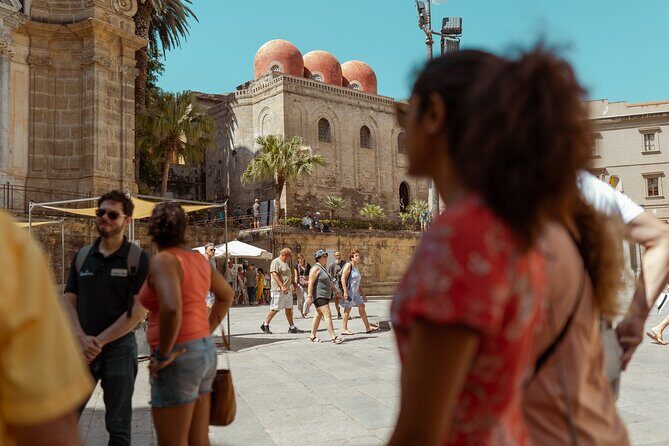
Finally, you reach La Martorana, the church of Santa Maria dell’Ammiraglio, sitting over Piazza Bellini. This is where the Norman-Arabic theme gets more personal. You’ll learn it’s connected to Greek-Byzantine clergy, and that ceremonies can be tied to ancient Greek or Albanian language traditions through the local Italo-Albanian Catholic church links. It’s a great reminder that Palermo’s religious architecture wasn’t one single style—it was layered culture.
If you like when a guide connects art to politics, migration, and identity, this church cluster is the heart of the tour.
Quattro Canti and Piazza Pretoria: Palermo’s Baroque street geometry
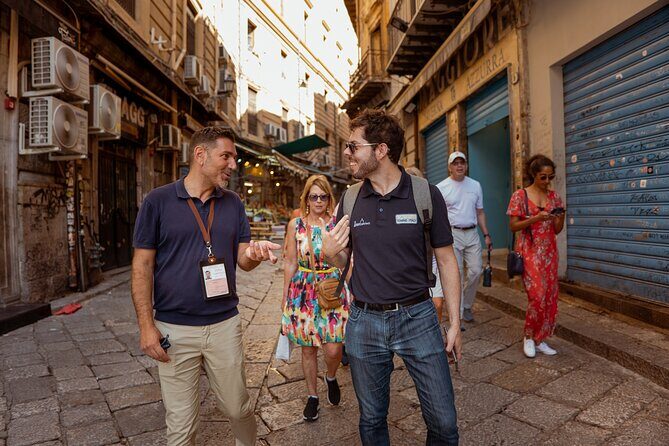
Piazza Pretoria is a tonal reset from the churches. It sits near the limits of the Kalsa district, near the intersection tied to Quattro Canti. The center of it is the fountain created for the garden of don Luigi de Toledo in Florence, later transplanted to Palermo’s setting.
This stop pays off because your guide points out how the space was planned. The piazza site first belonged to nuns of San Domenico al Maglio, and after pressure it was obtained in 1551. In 1584, nearby construction happened with the Palazzo di San Clemente, and the fountain design involved sculptor Francesco Camilliani, with links to Florentine art traditions.
Then you hit Quattro Canti, also known as Piazza Vigliena. This is Palermo at its most theatrical: four buildings around the square built between 1608 and 1620, with decorative elements completed in 1663. The idea is that each corner of the city receives a visual statement—almost like four stages for the same performance.
This is one of the easiest places to enjoy without needing deep technical knowledge. You’ll get the why behind the design, but you’ll also feel the wow factor because the architecture is right there in front of you, not behind a rope.
Cattedrale di Palermo: Norman layers you can actually see inside
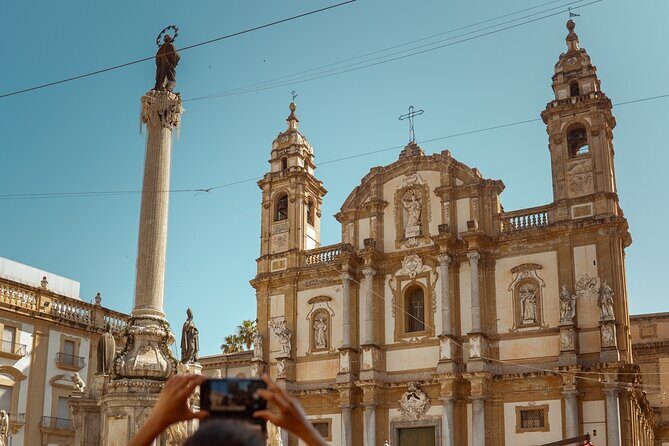
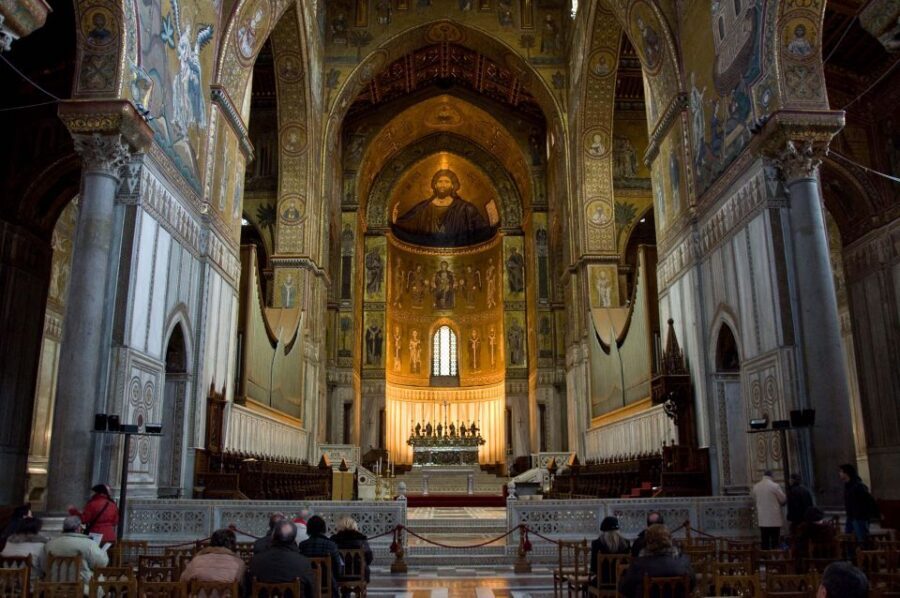
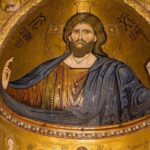
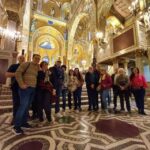
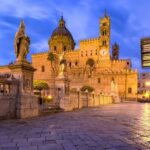
Cattedrale di Palermo is the tour’s big interior stop, and it’s included. The cathedral is a Norman architecture highlight in Sicily, built in 1184 by the Normans on a site that had been religious layers before: a Muslim mosque built over a prior Christian basilica.
What makes it powerful is the stratification. You’ll hear how you’re looking at Gothic to medieval additions, plus Arabic details—your guide notes even an inscription tied to the Koran engraved on a column. Later styles brought Neoclassical elements, so the building becomes a timeline in stone.
There’s also a built-in comparison story: the cathedral was part of a competitive push, with the idea of surpassing Monreale in beauty. Even if you don’t care about the rivalry, it explains why the building feels designed to impress.
Once you’re inside, the included time matters. This is not a quick glance-and-go. You get enough chance to orient your eyes and understand what you’re seeing—especially the mix of Norman structure with later decorative additions.
If you’re visiting Palermo for the architecture, this is the stop you’ll remember after dinner.
Other walking tours we've reviewed in Palermo

Villa Bonanno and Palazzo dei Normanni: gardens, remnants, and the Palatine Chapel story
After the cathedral, the tour shifts to green space and royal power nearby. Villa Bonanno is a garden always open in Victory Square, behind the Palace of the Normans. It’s planted with palm trees and features statues and busts of famous Palermitani.
What I find useful here is the way the tour links a calm garden to the buried past. Roman patrician house remains were found here, including mosaics now preserved in the National Archaeological Museum. Your guide points out mosaics of seasons and Orpheus as key examples.
There’s also a fountain in the area tied to Philip V, with the monument described as a work from the 19th century by Nuncio Morello. The original fountain design is associated with 1661 and participation by Serpotta, which helps explain why this corner feels both historical and heavily curated.
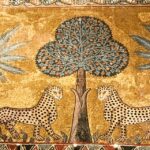
Next is Palazzo dei Normanni, the Royal Palace also called Palace of the Normans. This building chronicles Palermo’s history from early Punic settlements through later eras, and it’s tied to one of the UNESCO-linked showpieces: the Cappella Palatina, the Palatine Chapel.
Here’s the tradeoff you’ll want to understand in advance: entrance to the Royal Palace is not included. Still, you’ll learn why the chapel’s Arab-Norman decoration is so famous, and you’ll get the context to appreciate it if you decide to return later.
If you do want to build on this tour, this is the obvious follow-up area. The palace grounds and chapel are where your walking-guide facts start to feel visual.
Food stop and comfort tips for Palermo’s streets
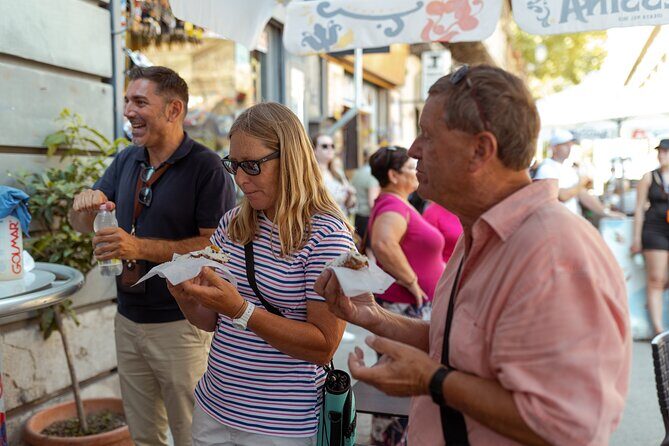
The tour includes a traditional Sicilian cannolo or a granita. It’s not just a sugar break. These snacks are part of how Palermo people pace a day: short stops, local ingredients, and simple pleasures that keep the city feeling human.
Comfort matters here because Palermo is active and the streets can be tight. I’d pack for walking and plan for a little crowd energy. One review note that restrooms can be tricky is common in old-city centers, so if you need facilities, don’t wait until you’re desperate.
Also, the tour runs regardless of weather. On rainy, cold days, you’ll still be on the move, so bring an umbrella or a light rain layer. On hotter days, a good guide will try to keep you in shade when possible, and the small group size helps.
The audio system is a big deal. When you’re walking and listening, clarity keeps the whole tour from turning into background noise.
Value, pacing, and who this tour is best for
At $31.88 per person for roughly three hours, the value is strongest in two spots: the included cathedral entry and the fact that you cover a lot of historic-center ground without needing to plan each turn. You’re paying for guidance through distances and cultural context, not for an expensive ticket bundle.
This is also a good pick if you want an overview that doesn’t treat Palermo like a theme park. You’ll see Norman and Baroque landmarks, yes, but you’ll also weave through market streets and civic corners that explain why the city looks the way it does.
The pacing is efficient and you’ll be walking between clustered sites. If you like long stops inside buildings and want to linger, you might feel the time is tight. Still, the tour works well as a first visit because it gives you a mental map you can reuse the rest of your trip.
It suits:
- First-timers who want the big sights plus local street life
- Travelers who care about architecture and cultural mixing
- People who like food stops that feel local, not touristy
It may not suit:
- Anyone who wants slow, in-depth study at every single monument
- Visitors who need extra time in specific interior spaces beyond what’s included
Should you book this Palermo UNESCO walking tour?
Yes, if you want a fast, organized way to understand Palermo. This is the type of tour that helps you get your bearings fast and then makes the rest of your days easier—where to go, what to notice, and why certain corners matter.
Book it especially if you’re visiting for a short time. With a track record of bookings around a month ahead, it’s smart to reserve early rather than hope for last-minute availability.
Skip or rethink it only if your dream Palermo day is mostly slow museum-style wandering and deep interior time. For everyone else, this tour gives you a very practical mix of cathedral interior, Baroque street design, and culture explained on the walk—all wrapped up with a proper Sicilian sweet to close things out.
FAQ
What is the duration of the Palermo UNESCO walking tour?
The tour lasts approximately 3 hours.
How much does the tour cost?
The price is $31.88 per person.
Is the tour in English?
Yes, it is offered in English.
Are tickets included for the Cathedral?
Yes. Entrance to the Cathedral is included.
Is the Palatine Chapel visit included?
The Royal Palace and the Cappella Palatina (Palatine Chapel) are not listed as included entrances, so you should plan for viewing the area with guidance rather than relying on included entry.
Where does the tour start?
It starts at Via Volturno, 44, 90138 Palermo PA, Italy, and it ends back at the meeting point.
Does the tour run in bad weather?
Yes, the tour takes place regardless of the weather.
Is there free cancellation?
Yes. You can cancel for a full refund up to 24 hours in advance.