REVIEW · PALERMO
Full Day Exclusive Excursion to Segesta, Erice & Trapani Salt Flats from Palermo
Book on Viator →Operated by Apetour N.C.C. di Peritore Cristian · Bookable on Viator
One day west of Palermo feels like three worlds in a loop. You’ll see the dramatic Tempio di Segesta on its hilltop, then climb into medieval Erice with big views over Trapani and the salt coastline.
What I like most is how the day balances top sights with the small, human stuff: food stops for Sicilian sweets and stories from the guide at each place. The one thing to weigh is that the salt pans can be less visually active depending on season, so you may want to go in expecting history and scenery more than constant salt-harvest action.
If you like a private setup with pickup and a car that keeps you moving without stress, this tour can be a really good use of a single day.
In This Review
- Key points you’ll care about
- The West-Sicily Circuit from Palermo: Smooth logistics, big scenery
- Segesta’s Tempio: the Great Temple on a hill, where the views do half the talking
- Erice on the clock: Castello di Venere, cathedral streets, and a view that changes your mood
- Trapani salt flats: museum time, windmills, and what you’re really looking at
- Erice again, then Trapani: where timing and pace matter
- Food and sweet stops: cannoli, Genovese cake, almond treats, and local habits
- Price and logistics: what the €18.50 ticket and extra costs really mean
- Who this tour suits best (and who should consider something else)
- Should you book this Palermo to Segesta-Erice-Trapani tour?
- FAQ
- What time does pickup happen?
- How long is the tour?
- Is the tour English-speaking?
- Are entrance tickets included?
- Is food included?
- Is this a private tour?
Key points you’ll care about
- Private group format: exclusive to your group, so the pace can flex (including skipping something if you’d rather linger elsewhere).
- A hilltop day: Segesta and Erice both mean stairs and uneven walking, plus views that reward slowing down for photos.
- Salt history, not just scenery: the salt museum and saline reserve connect Phoenician, Norman, Aragonese, Spanish, and modern changes in salt production.
- Guide-led storytelling: several guides (including Umberto and Cristian, when assigned) focus on culture plus practical on-the-ground details.
- Sicilian sweet stops: almond sweets are common in Erice, and cannoli / Genovese treats show up during the day when the schedule allows.
- Extra costs to plan for: Segesta’s temple ticket is not included, and the licensed guide is listed as not included too.
The West-Sicily Circuit from Palermo: Smooth logistics, big scenery
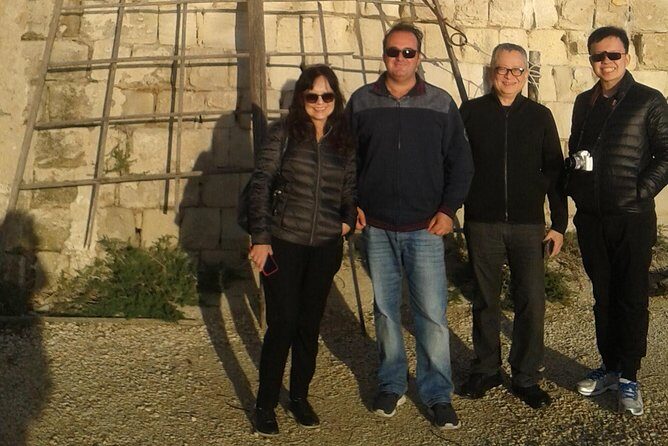
This is a full-day private excursion that runs about 7 to 8 hours, departing at 8:30 a.m. from your hotel, B&B, port, or accommodation in Palermo. The practical win is simple: you don’t have to rent a car, navigate narrow roads, or worry about getting back late. You’ll ride in an air-conditioned minivan or car with a professional English-speaking driver, and your group is kept separate from other parties.
The route is built around west Sicily’s contrasts. You start with ancient Greece in Segesta, shift to medieval Erice at altitude, then finish with Trapani’s salt country. That arc matters because each stop gives you a different “why” for the region: architecture and power, faith and daily life in Erice, and salt as a real engine of trade and survival.
One note for your expectations: the day is long enough that comfort footwear matters. Erice is on a mountain, Segesta is on a hill, and the terrain is not flat. You should have moderate physical fitness and be ready for some walking and stairs.
Other Erice, Segesta and Salt Pans excursions from Palermo
Segesta’s Tempio: the Great Temple on a hill, where the views do half the talking
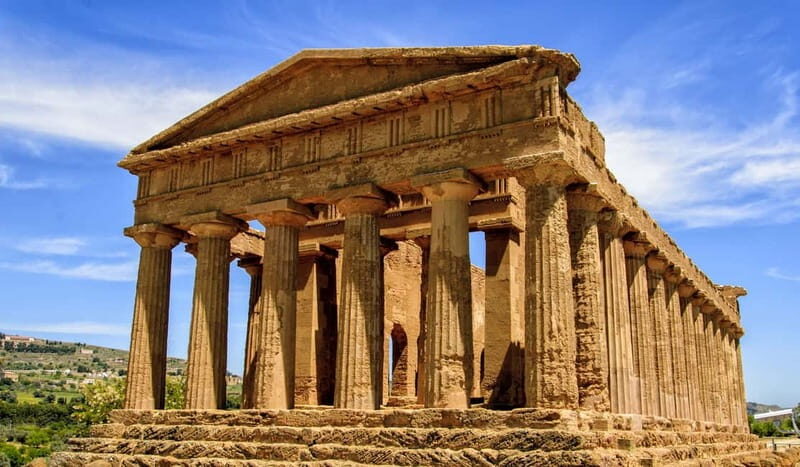
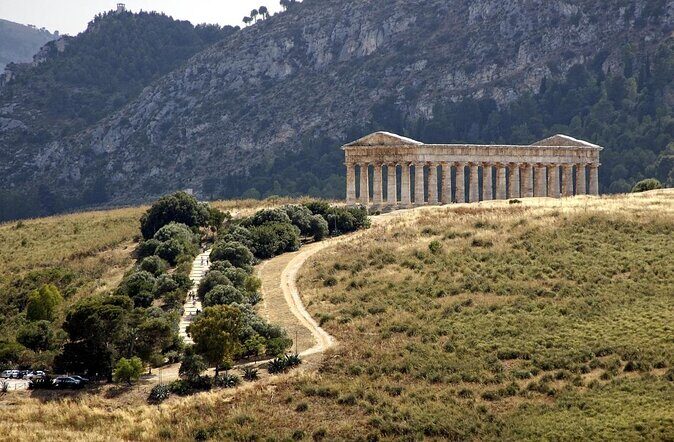
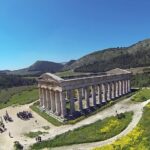
Segesta is the dramatic opener. You’ll get about 1 hour at Tempio di Segesta, also called the Great Temple. It sits west of the city on a hill outside the urban walls, and the structure is a standout example of Greek temple design. The temple is described as a hexastyle peripteral design (six columns on the short side), with fourteen columns on the long sides, for a total of thirty-six columns at around 10 meters high—and the current preservation shows an almost complete colonnade around the entablature.
Even if you don’t want to play “Roman numeral architect,” the place is still worth it because it’s all about proportion and setting. You’ll notice how the temple looks slightly suspended over the landscape, and photos come fast once you find a good angle.
Two practical points:
- Ticket isn’t included (Segesta temple ticket is listed separately at €18.50 per person).
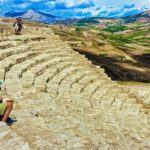
- Time is tight. On some schedules, there may not be enough time to add the nearby theater area. If that’s a priority for you, ask early how much time you realistically have beyond the temple itself.
If you want maximum “wow” per minute, Segesta is a strong first stop because it often feels quieter and more open than later attractions.
Erice on the clock: Castello di Venere, cathedral streets, and a view that changes your mood
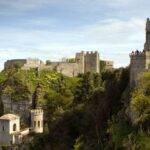
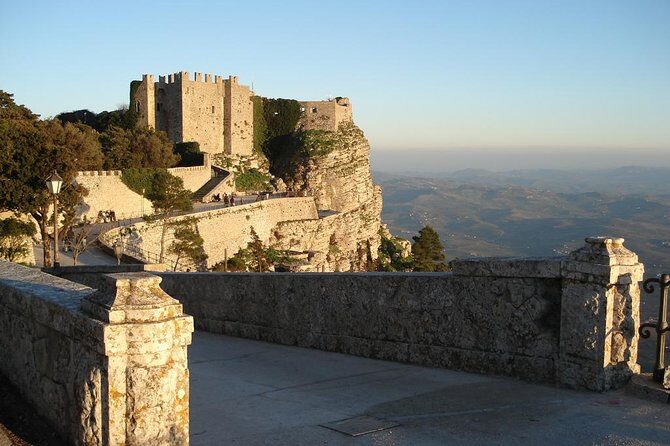
Erice is where the day turns cinematic. You’ll spend time around the Castle of Venus area—the medieval town sits at about 760 meters—with stops tied to the town’s highlights: the temple dedicated to Venus, the castle and towers, and the cathedral. The town is surrounded by cyclopean walls and built with stone paths and lanes that make you slow down without meaning to.
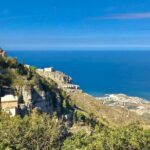
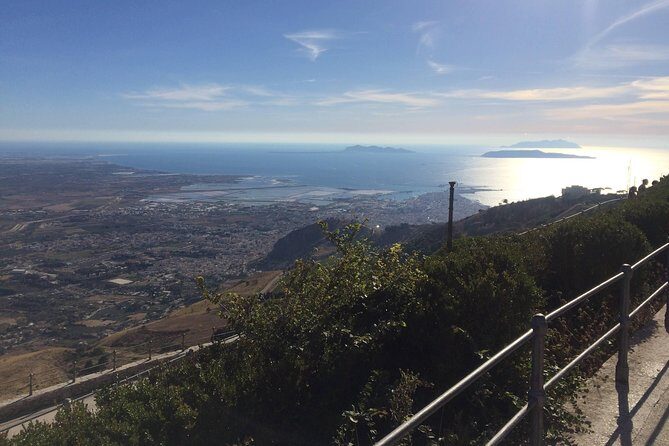
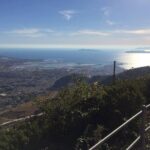
The views are a big part of why people love Erice. From up high you can see Trapani laid out with its distinctive shoreline shape, plus the Mount Cofano reserve and the areas around Custonaci below. Even in less-than-perfect weather, the fog can make the viewpoint feel surreal. One day with heavy fog was still considered magical—so don’t overthink the forecast if you’re willing to enjoy the atmosphere rather than chase a perfect panorama.
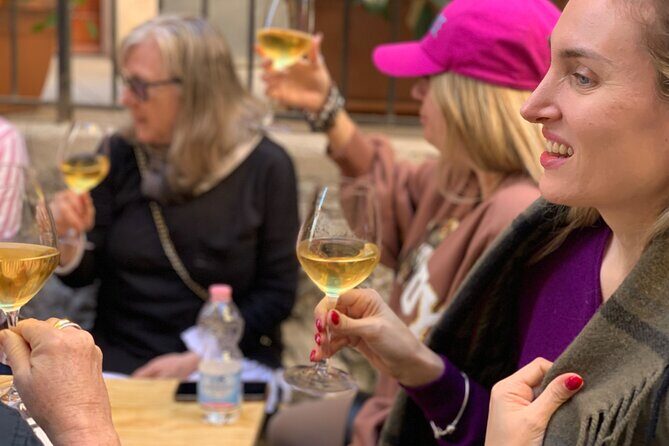
Sweets are part of the plan here, too. Erice is closely linked with almond sweets, and during the day you may find a guide works in a stop to sample treats. In one example, a guide named Umberto steered people toward local pastry culture, including stopping at a shop known for things like Genovese cake and cannoli-style sweets. Another common pattern is tasting-and-buying cookies to take back later.
One more thing: Erice appears twice in the flow—first for the castle-and-temple overview, then again for extra time. That’s helpful because you can do the “must-see” sights first, then spend the longer block wandering, taking photos, and grabbing a snack at your pace.
Trapani salt flats: museum time, windmills, and what you’re really looking at
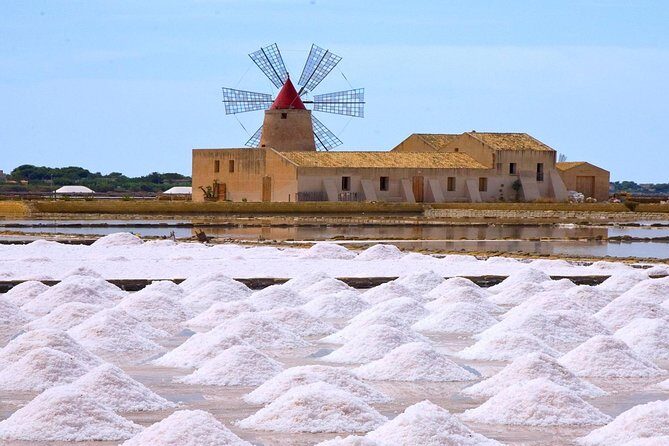
The salt portion is more than sightseeing. It’s understanding a place where one commodity shaped trade routes and local identity for centuries.
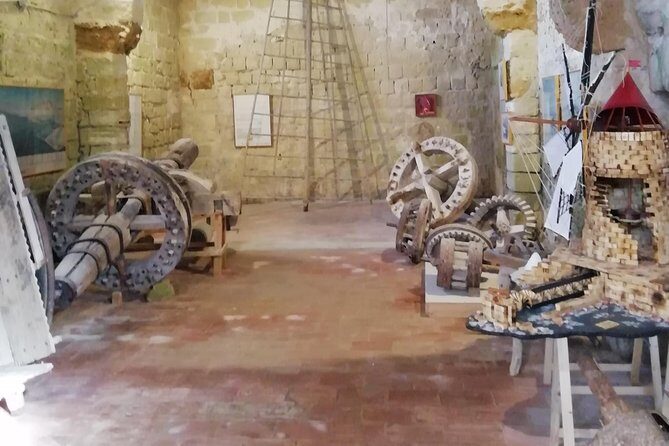
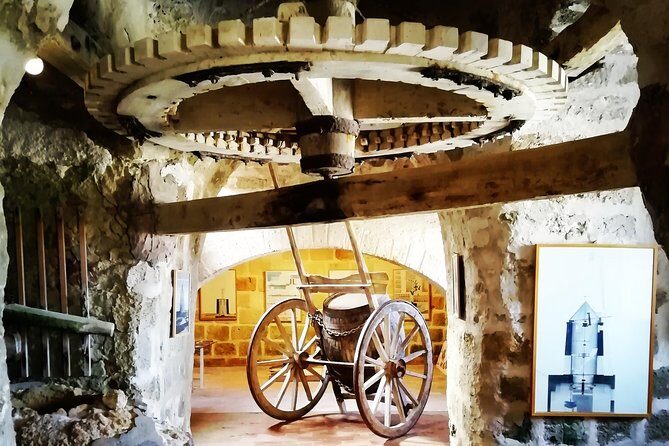
You’ll first hit Museo del Sale for about 1 hour. The story begins long before modern salt flats. The materials you’ll see connect salt pans to Phoenician origins, documentation by the Arab geographer al-Idrīsī, and a shift into a state-run monopoly under Frederick of Swabia—with similar monopoly structures lasting into Angevin times. Later, the Aragonese ratified a shift back toward private ownership. Under the Spanish crown, production peaked, and Trapani became a major European trade center for salt, with shipments reaching the Stagnone islands.
Then the narrative turns to decline. Salt pans survived long enough through Italian unification (with salt pans not nationalized in 1861), but they faced steep competition from industrialized salt production elsewhere (including Cagliari), then took hits during the world wars and later with foreign competition like rock salt. If you’re the type who likes context—why people cared—this museum stop gives you that.
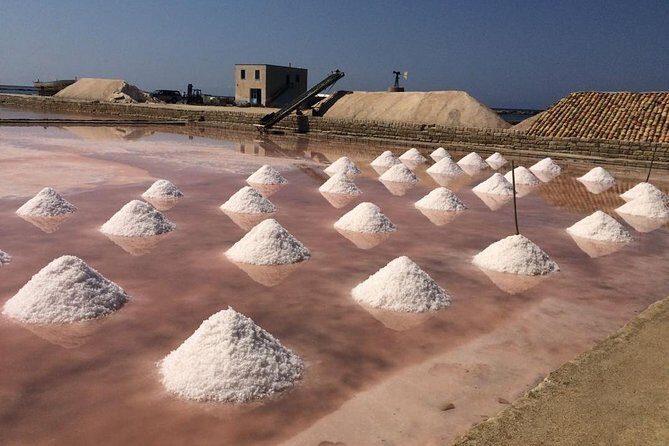
After that, you’ll spend about 1 hour at Riserva Naturale Saline di Trapani e Paceco, where the plan includes the salt museum inside an old wind mill. This part is listed as admission free in the itinerary, which is a nice bonus.
Now the reality check: salt flats can be visually different depending on the season and conditions. One schedule ended up being more about the history and the environment than about dramatic harvesting activity, with only small structures visible. If your goal is to see heavy salt harvesting, try to time your trip around when activity is strongest—and if it’s off-season, be ready to treat the salt flats as a landscape of process rather than a nonstop production show.
Erice again, then Trapani: where timing and pace matter
The itinerary keeps you on the mountain for more time, then moves you toward Trapani. Even if you don’t have long stretches in each place, the structure matters: you get a strong chunk of Erice first, then you have time to reset after the salt stops.
Trapani itself can feel a little “interrupted” by daily rhythm. One day in late afternoon hit around siesta time, and the old city center was quiet and closed up. That’s not a tour failure—it’s just life in Italy. If you care about strolling Trapani’s streets, you’ll be happiest if you treat this stop as flexible: enjoy what’s open, and don’t count on everything being accessible at the exact time you arrive.
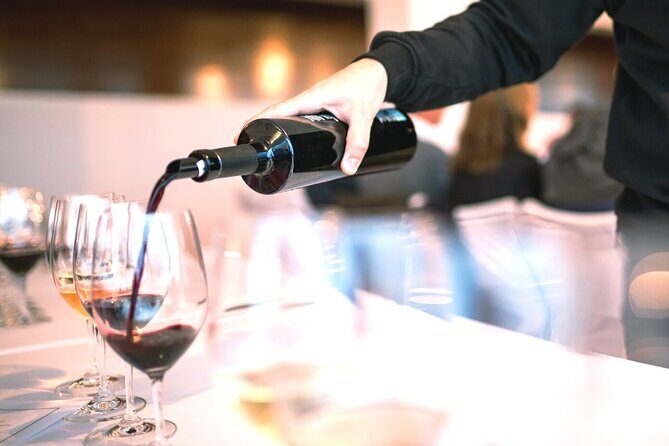
For food, the tour highlights mention Sicilian wines and traditional tastes, but food and drinks are not included, so you’ll want to budget for lunch. Some guides will work in practical snack stops, and the day can be arranged so you don’t waste time hunting for good sweets.
A few more Palermo tours and experiences worth a look
Food and sweet stops: cannoli, Genovese cake, almond treats, and local habits
This is one of the more satisfying parts of the day, because Sicilian food in this region is tied to places you’re already visiting.
In Erice, almond sweets are a major theme. You can taste the style right in town, and the walking lanes make it easy to pause. In one guide-led experience, people were offered samples and encouraged to buy cookies for later. That’s a smart move because you might not find the same flavors back in Palermo.
In the broader day, cannoli-style treats and Genovese cake show up when guides build in pastry-shop stops. If you get a guide like Umberto, the pattern can be that he pairs the architecture and history with real food detours so you get both the story and the taste.
Also, if you see a chance for a local lunch by the sea in Trapani, take it. Even though lunch isn’t included, the setting can make the meal feel like part of the day rather than just a fuel stop.
Price and logistics: what the €18.50 ticket and extra costs really mean
The headline price is $660.13 per group (up to 3) for about 7–8 hours. That sounds high until you compare what’s actually included:
Included:
- Hotel pickup and drop-off across Palermo
- Transport by licensed air-conditioned minivan or car
- Exclusive private tour (only your group)
- Professional English-speaking driver
- Round trip
Not included:
- Food and drinks
- Entrance fee for Segesta Temple (listed at €18.50 per person)
- Licensed guide (not included)
So the value question becomes: does this group format save you time and hassle compared with DIY? For most people, yes—especially if you want to do Segesta + Erice + salt flats in one day without coordinating trains, buses, or rental-car logistics.
How I’d budget it as a real-life traveler:
- Add Segesta’s ticket for each person who enters.
- Budget extra for lunch and snacks.
- If you want full licensed-guide commentary at the sites, ask in advance how the licensed guide piece is handled on your specific booking.
Private pricing also makes a difference for couples or small families. If you’re traveling as two or three, your per-person cost drops compared with larger public tours.
Who this tour suits best (and who should consider something else)
This tour fits best if you want:
- A one-day west Sicily plan that hits Segesta, Erice, and Trapani salt areas without stress
- Scenic walking plus viewpoints (especially the hilltop drama of Segesta and the altitude of Erice)
- A day where the guide’s commentary connects sites to real Sicilian life
- Food culture as part of the sightseeing, not an afterthought
It may be less ideal if:
- You hate hills, stairs, or uneven stone lanes (Erice can be demanding)
- You only want the salt flats at peak harvesting times (season affects what you see)
- You expect every moment to be escorted step-by-step. Some experiences mention guides joining for certain stretches and then letting you explore more freely.
Should you book this Palermo to Segesta-Erice-Trapani tour?
I’d book it if you’re making the most of limited time in Palermo and you want a private, easy route west with a built-in rhythm: ancient temple first, medieval town next, salt story to close. The combo of Segesta’s architecture, Erice’s panoramic magic, and Trapani’s salt history is genuinely strong for a single day.
Before you click confirm, do two quick reality checks:
- Count on extra spending for Segesta’s ticket, plus lunch and drinks.
- Be flexible on the salt flats. If it’s off-season, you’ll still learn the story, but don’t assume constant salt-harvesting scenes.
If those points work for you, this is a practical, scenic way to see why western Sicily has such a hold on people’s memories—especially when the guide is good at turning monuments and museum facts into something you can feel.
FAQ
What time does pickup happen?
Pickup starts at 8:30 a.m. from hotels, B&Bs, holiday homes, ports, and accommodation in Palermo.
How long is the tour?
The duration is about 7 to 8 hours including transfers, with exact timing depending on traffic.
Is the tour English-speaking?
Yes. The tour includes a professional English-speaking driver.
Are entrance tickets included?
No. The Tempio di Segesta ticket is not included (listed at €18.50 per person). The salt museum at Museo del Sale is also listed as not included, while the saline reserve stop includes an area with a salt museum in an old windmill and is listed as admission free.
Is food included?
No. Food and drinks are not included. The day includes time where you can try Sicilian sweets and traditional foods, but you’ll pay for meals and beverages.
Is this a private tour?
Yes. It’s an exclusive private tour for your group only (up to 3 people).