REVIEW · PALERMO
Palermo: City & Palazzo dei Normanni Guided Walking Tour
Book on GetYourGuide →Operated by Towns of Italy · Bookable on GetYourGuide
Palermo’s Norman palace is the main event. This tour strings together the old streets and then brings you inside the Palatine Chapel, famous for its mix of Islamic, Byzantine, and Norman art.
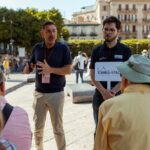
I love how the English-speaking guide explains what you’re seeing in plain terms, with plenty of personality. From the stories shared by guides like Renata, Stefania, and Debora, you’ll get clear, friendly context rather than a rushed lecture.
One possible drawback: it’s a walking-heavy afternoon on uneven historic streets, so it’s not suitable for people with mobility impairments or wheelchair users.
In This Review
- Key things that make this Palermo tour worth your time
- A 5.5-hour combo that links Palermo’s streets to Norman rulers
- Getting oriented fast: Towns of Italy School to Teatro Massimo
- Vucciria Market and the Martorana area: where daily life meets big art
- Piazza Pretoria and Quattro Canti: Baroque Palermo in readable pieces
- Palermo Cathedral and the religious evolution you can see with your feet
- The café break: cannolo or granita and a chance to breathe
- Palazzo dei Normanni: Europe’s oldest royal residence, explained
- Inside the Palatine Chapel: Islamic-Byzantine-Norman art you can’t fake
- Price and value: what $100 buys you in the real world
- Who should book this Palermo tour (and who should skip)
- Quick practical tips so the day goes smoothly
- Should you book? My honest take
- FAQ
- How long is the Palermo city and Palazzo dei Normanni guided walking tour?
- How much does the tour cost?
- Is the tour guided in English?
- What’s included in the price?
- What is the meeting point for the walking tour?
- Where do I meet for the Palazzo dei Normanni and Palatine Chapel part?
- Do I need to arrange my own transportation between meeting points?
- Does the tour run in bad weather?
- Is the Palazzo dei Normanni visit always guaranteed?
- What should I bring, and are pets allowed?
Key things that make this Palermo tour worth your time
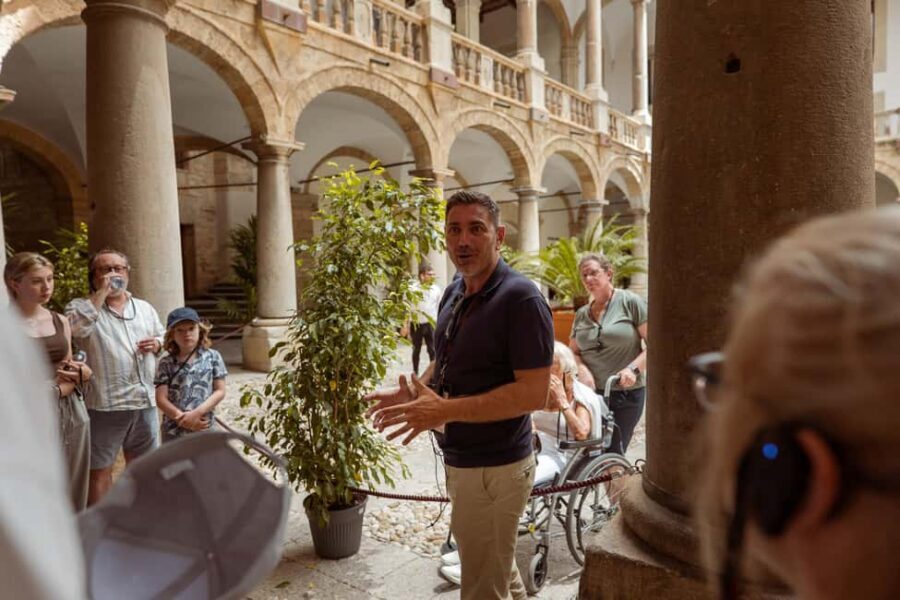
- Palatine Chapel access with guided context, including the story behind its blended medieval influences
- Praetorian Square and Quattro Canti—you’ll learn how Palermo’s Baroque geometry and power symbolism show up in stone
- Historic religious stops across Martorana and Palermo Cathedral, with a guide to connect the architectural dots
- A real break for cannolo or granita, so you’re not just running from church to palace
- Government-venue palace visit, including the palace complex and gardens (when open), so the day feels more than postcard viewing
A 5.5-hour combo that links Palermo’s streets to Norman rulers
This is built as a two-part day. First you walk the historic center with a small-group feel, then you shift to the Palazzo dei Normanni for the palace complex and the Cappella Palatina experience.
What makes it satisfying is the connection. You’re not just ticking off major sights. You’re also learning why Palermo looks the way it does—how different cultures left their fingerprints on buildings, streets, and religious spaces over centuries.
At 5.5 hours total, the pacing usually works well if you want structure without feeling trapped. If you’re the type who likes to understand what you’re looking at (and not just take photos), this tour fits your style.
Other UNESCO and historic site tours in Palermo
Getting oriented fast: Towns of Italy School to Teatro Massimo
You start at Towns Cooking School on Via Volturno, 44. From there, the route quickly sets the tone with major city landmarks and quick orientation passes.
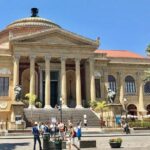
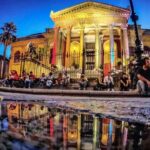
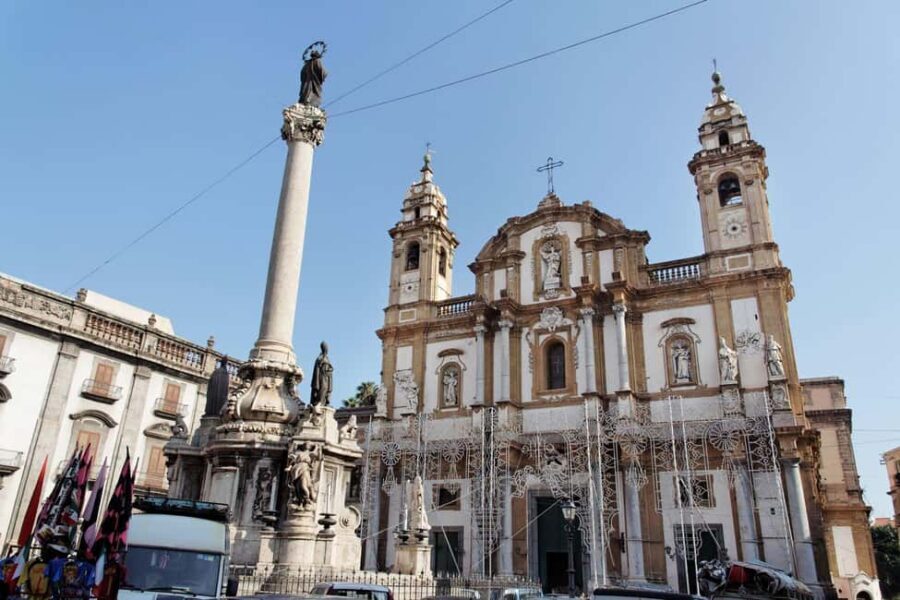
One early stop is Teatro Massimo. Even if you only pass by it, you’ll understand why it matters in Palermo’s public life. Then the route continues toward Church of Saint Dominic, again more of a “see it, note it, remember it” stop than a long sit-down visit.
This opening stretch matters because it helps you build a mental map. Palermo’s center is dense, and a guide’s timing helps you avoid the common mistake of wandering without a plan.
Vucciria Market and the Martorana area: where daily life meets big art
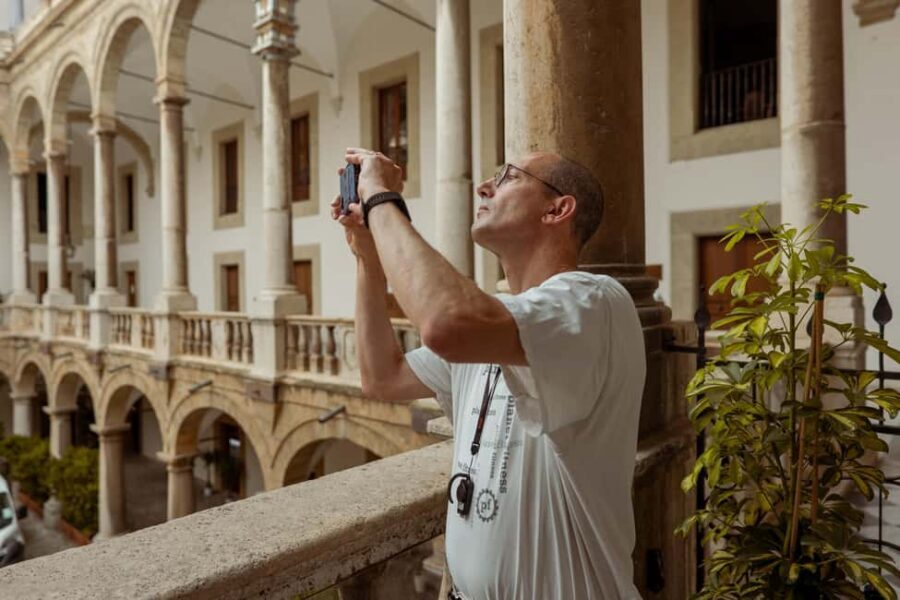
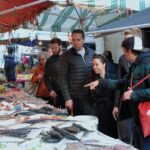
After the initial orientation, you get into the heart of Palermo’s everyday energy with Vucciria Market. It’s not only about walking through a market. It’s also a cultural reset: you’re moving from grand buildings to lived-in street scenes, so the day feels like a city visit instead of a museum trip.
Next comes Martorana Church. You’ll visit it as part of the religious heritage portion, with the approach described as seeing the building as well as learning from the guide’s explanations. This kind of stop is useful because Martorana’s look is easier to appreciate when someone points out the layers.
You also have a strong back-to-back flow heading into the grand civic squares—so you don’t lose momentum after the market.
Piazza Pretoria and Quattro Canti: Baroque Palermo in readable pieces
Two of the most “wow” city views are also two of the most educational.
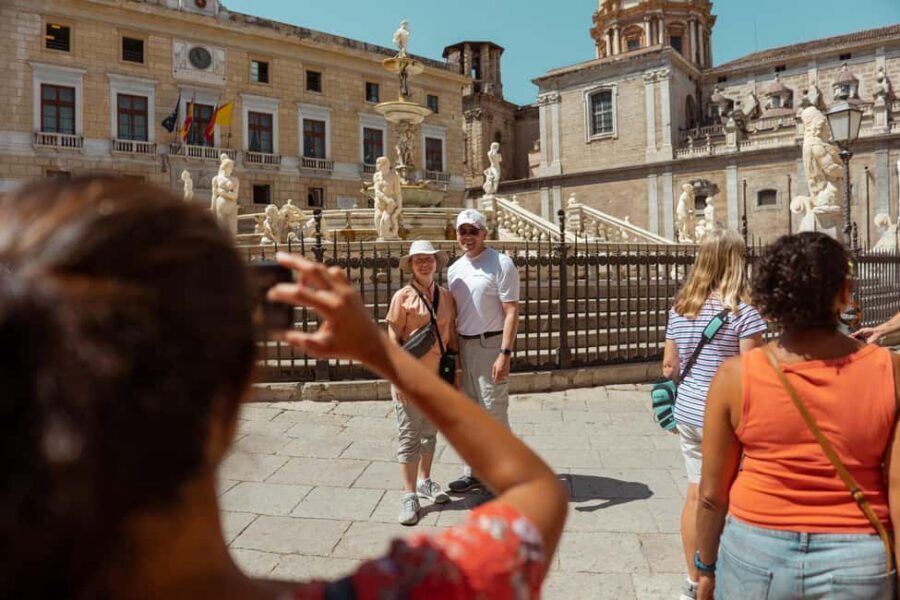
At Piazza Pretoria you’ll see the famous marble fountain and get the context for the Praetorian Palace nearby. The square isn’t just pretty scenery. It’s tied to themes of power, wealth, and public display—things you’ll recognize once your guide connects the dots.
Then you move toward Quattro Canti. This intersection is famous for its Baroque design, and the best way to understand it is to see it with a guide who can explain how the architecture is organized. It’s easier to decode when you’re standing right there and someone points out how the city’s layout and styling work together.
These stops are ideal if you like architecture that you can actually interpret. You walk away looking at facades with new eyes.
Palermo Cathedral and the religious evolution you can see with your feet
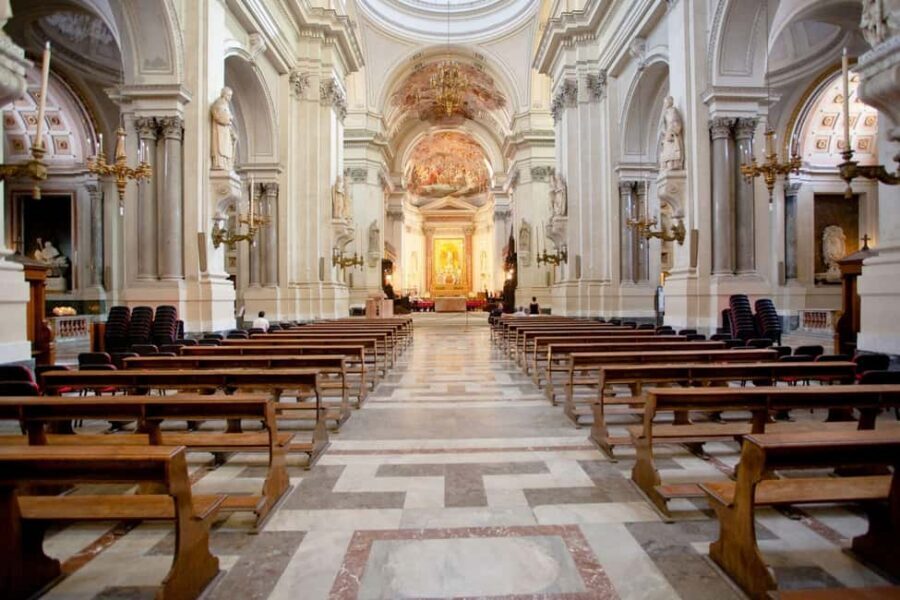
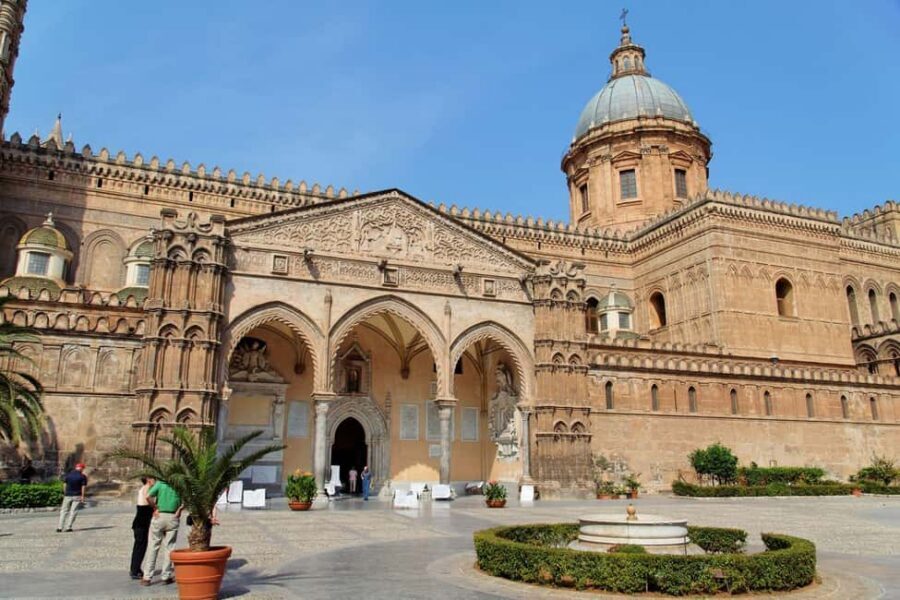
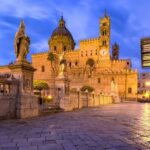
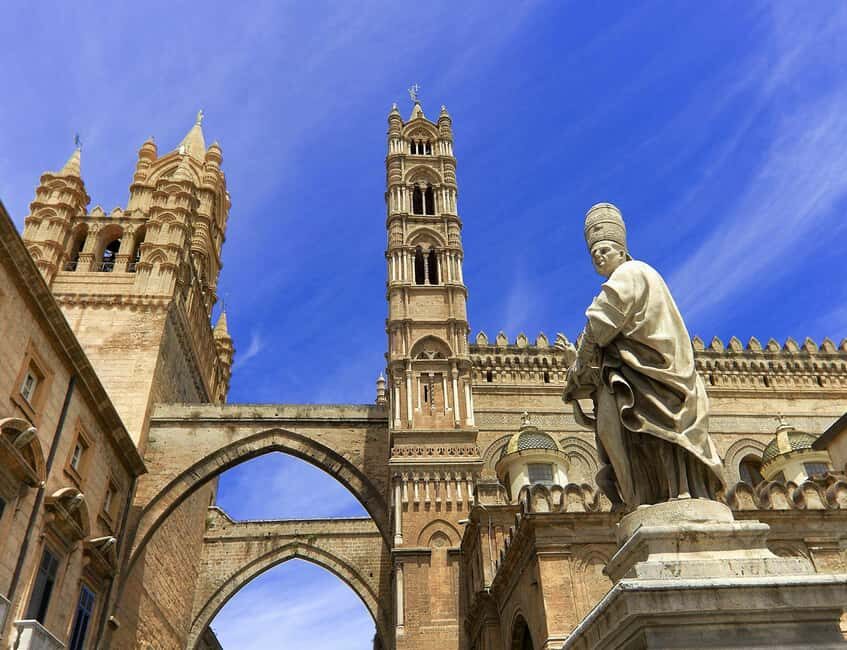
The tour continues with Palermo Cathedral. Entrance is included, which is important because the cathedral isn’t just a shell you view from outside.
A good guide helps you read religious architecture as a timeline. You’re looking at layers of changing styles and influences, not a single “finished” moment. That’s exactly why cathedral visits with a guide are worth paying for—someone helps you notice what you’d otherwise miss.
This portion of the route also complements your earlier stops. Martorana and the Cathedral give you a fuller sense of how Palermo’s past shows up in worship spaces, public symbolism, and artistic choices.
If you’re planning your own Palermo itinerary later, the cathedral portion often becomes your reference point. You’ll start seeing Palermo’s religious landmarks as a connected story rather than separate sights.
Other walking tours we've reviewed in Palermo

The café break: cannolo or granita and a chance to breathe
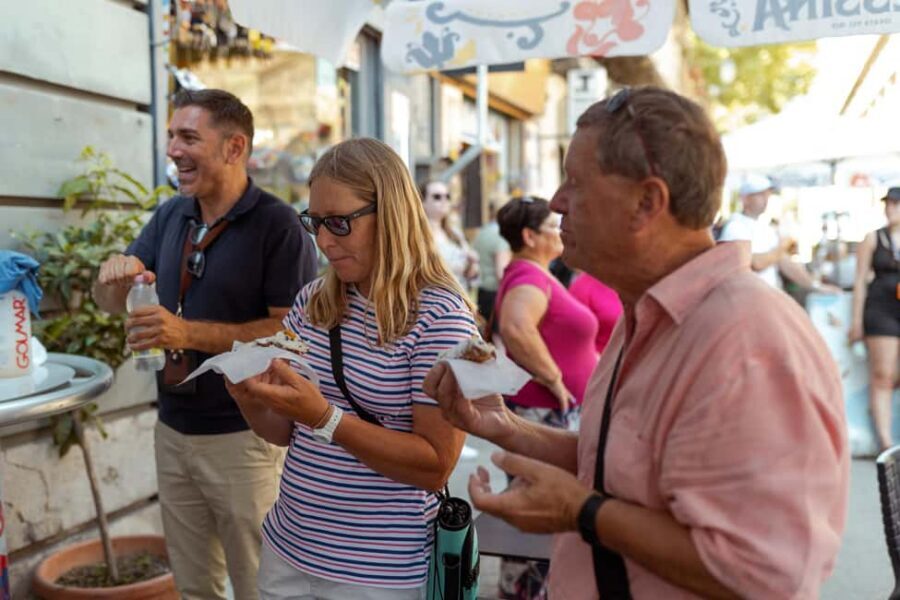
You get a local café break with dessert—either Sicilian cannolo or granita. This is a smart inclusion for a walking tour.
At 5.5 hours, you’ll be on your feet enough that you want a pause that’s more than a quick stop. A dessert break gives you a moment to regroup, drink water, and decide what you want to slow down for later.
Also, this part makes the day feel more local. You’re not just watching history from the curb. You’re eating it in a very Palermo way—sweet and cold, depending on what you choose.
Palazzo dei Normanni: Europe’s oldest royal residence, explained
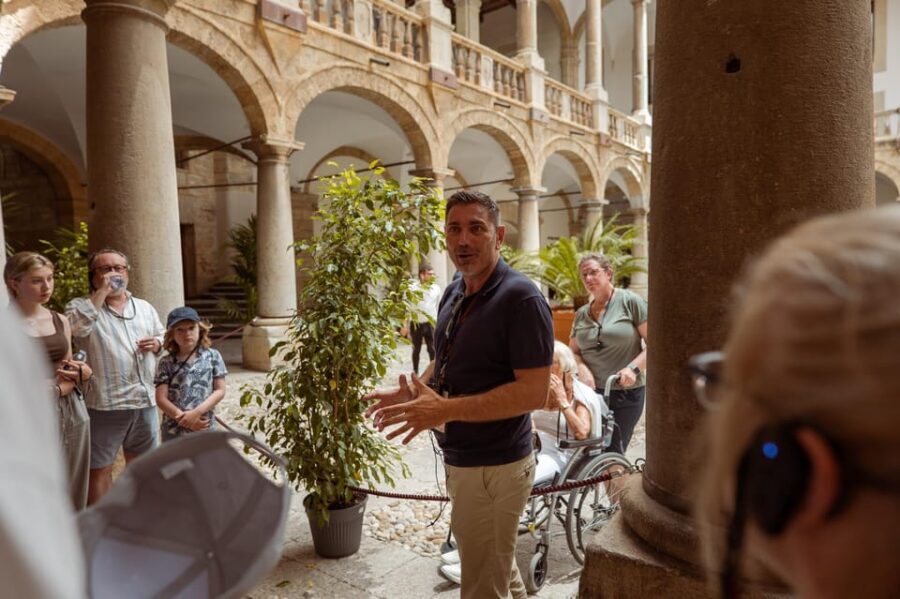
Now you switch to the big one: the Palazzo dei Normanni. This is described as the oldest royal residence in Europe and once the seat of Sicilian kings, with over 800 years of Sicilian history behind it. That’s a lot to hold in your head unless someone gives you a guided route.
With your ticket and guided visit, you’ll see the palace complex, including access to the palace gardens. The gardens matter because they give you a calmer pause after dense city streets. In a palace day, that reset helps you appreciate details you might otherwise rush past.
One note you should take seriously: Palazzo dei Normanni is a government venue. The palace may close if there are official events or meetings. The tour notes that the visit might be adjusted on those days, so build in the mindset that history venues can have real-world scheduling.
On some days, the Royal Apartments may also be included. If you care about seeing more lived-in royal spaces, that’s a good reason to take this tour on a day when you can be flexible.
Inside the Palatine Chapel: Islamic-Byzantine-Norman art you can’t fake
If you remember one part of this tour, make it the Palatine Chapel.
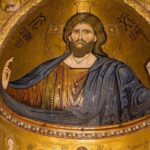
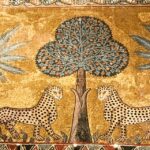
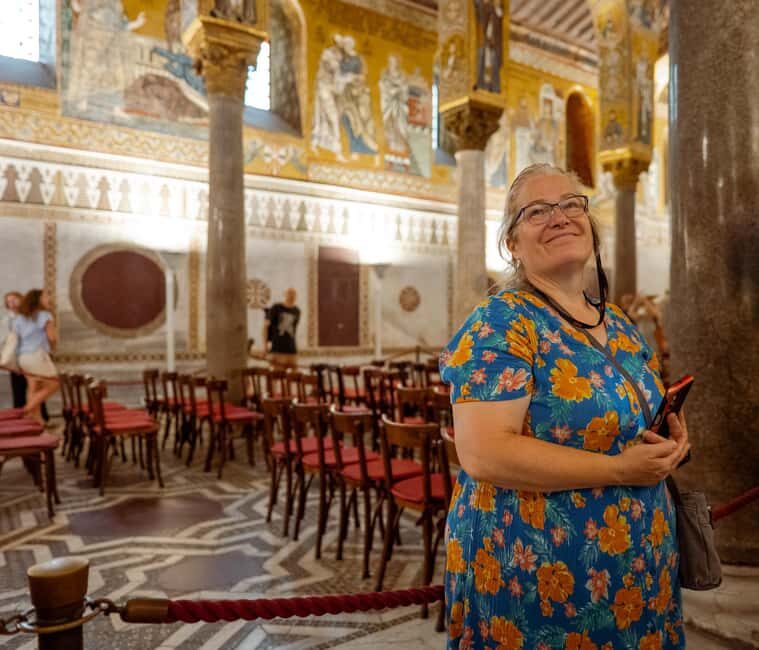
This is where the centuries of Palermo’s cultural mix become visual, not just historical. The chapel’s art and design are described as blending Islamic, Byzantine, and Norman influences—a medieval reminder that this island sat at crossroads, not at the edge of the map.
What a great guide does here is help you look instead of just stare. You start noticing patterns, stylistic signatures, and how the different influences show up in the overall look. It’s also the part of the day most tied to the kind of reviews you’ll see again and again: people often call out the chapel as the highlight because it’s so unlike what you expect from a normal walking tour.
It helps, too, that the chapel is guided. Without context, many visitors see the space but don’t understand what they’re seeing. With context, you leave with a story you can tell later.
Price and value: what $100 buys you in the real world
At $100 per person for about 5.5 hours, you’re paying for three things that add up quickly in Palermo:
- A licensed English-speaking guide for the walking portion and the palace complex visit
- Entrance coverage for Palermo Cathedral and tickets for the Palazzo dei Normanni complex, including the Cappella Palatina area
- A dessert inclusion (cannolo or granita)
If you tried to DIY this day, your costs would likely split across multiple paid entries plus a guide for the architecture. Even if you save money by self-guiding, you’d still spend energy figuring out what to prioritize and what to notice.
This is the kind of tour that tends to feel worth it when you’re interested in interpretation—architecture, history, and cultural connections—rather than just photos.
Who should book this Palermo tour (and who should skip)
You’ll likely love this tour if you:
- Want to combine street-level Palermo with serious palace architecture
- Like having someone explain what you see, especially in churches and historic interiors
- Prefer a structured route that helps you navigate without guessing
You should probably skip it if:
- You need wheelchair-friendly access or have mobility limitations. The tour is not suitable for wheelchair users and people with mobility impairments.
- You hate walking on uneven historic streets. This day is designed for people who can comfortably move for hours.
Quick practical tips so the day goes smoothly
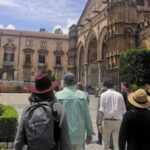
Bring comfortable shoes and a hat. The tour runs rain or shine, so plan on weather-proofing—especially since you’ll be outdoors in the historic center between stops.
Also keep an eye on day-of conditions around the Palazzo since it’s a government venue. On some days, official activity can affect access, and your guide will handle how the visit unfolds.
Should you book? My honest take
Book it if you want Palermo to make sense. The Palatine Chapel alone is a strong reason, and the walking route helps you understand the city around it: squares, churches, and the architectural language tying it all together.
Skip it if you want a low-effort day, or if mobility access is a concern. This is a guided walk with palace time, not a sit-down tour where you just passively watch.
If you’re choosing between a generic walking loop and a palace-focused experience with context, this combo offers the better payoff.
FAQ
How long is the Palermo city and Palazzo dei Normanni guided walking tour?
The total duration is 5.5 hours.
How much does the tour cost?
It’s priced at $100 per person.
Is the tour guided in English?
Yes, it includes a live English-speaking guide.
What’s included in the price?
You get a walking tour, licensed guide, entrance to Palermo Cathedral, and tickets plus a guided visit of the Palazzo dei Normanni complex (palace, gardens, and Cappella Palatina). You also get typical Sicilian dessert: cannolo or granita.
What is the meeting point for the walking tour?
Meet your guide at Towns Cooking School, Via Volturno, 44, 90138 Palermo.
Where do I meet for the Palazzo dei Normanni and Palatine Chapel part?
Meet the guide at Piazza del Parlamento, at the main entrance of the Norman Palace.
Do I need to arrange my own transportation between meeting points?
Yes. Transfer to and from the meeting point is not included, and you’re responsible for reaching the meeting points independently.
Does the tour run in bad weather?
Yes, it runs rain or shine.
Is the Palazzo dei Normanni visit always guaranteed?
The palace is a government venue, and in case of official events or meetings the tour might be closed.
What should I bring, and are pets allowed?
Bring comfortable shoes and a hat. Pets are not allowed.