REVIEW · PALERMO
Palermo: three-hour private city tour
Book on GetYourGuide →Operated by Florence Tours by Made of Tuscany · Bookable on GetYourGuide
Palermo feels like a living museum. In this private 3-hour tour, I love how the guide gets you moving straight from Teatro Massimo into the city center, so you’re not wasting limited time. You’ll also notice Palermo’s strong citrus vibe—think oranges and lemons—while you learn where to look and what to ignore.
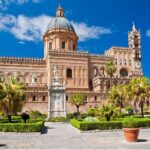
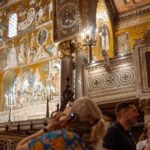
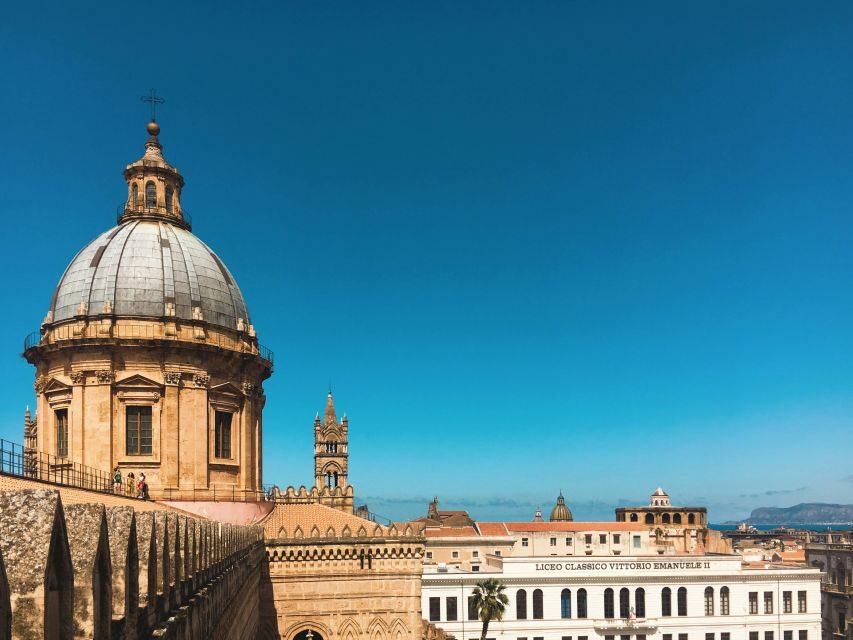
I also love the balance of spectacle and story. The Arab-Norman Santa Maria Assunta cathedral, with relics of Santa Rosalia, gives Palermo’s religious heart real texture, not just a pretty facade. Then the tour pulls a sharp turn to the Quattro Canti area, tied to public punishment and the city’s power lines.
One possible drawback: the schedule is fast. Most stops are guided walks with short on-the-ground time, and only external sights get covered unless you want to follow up on your own afterward.
In This Review
- Key highlights worth your attention
- Why a 3-hour private Palermo walk from Teatro Massimo makes sense
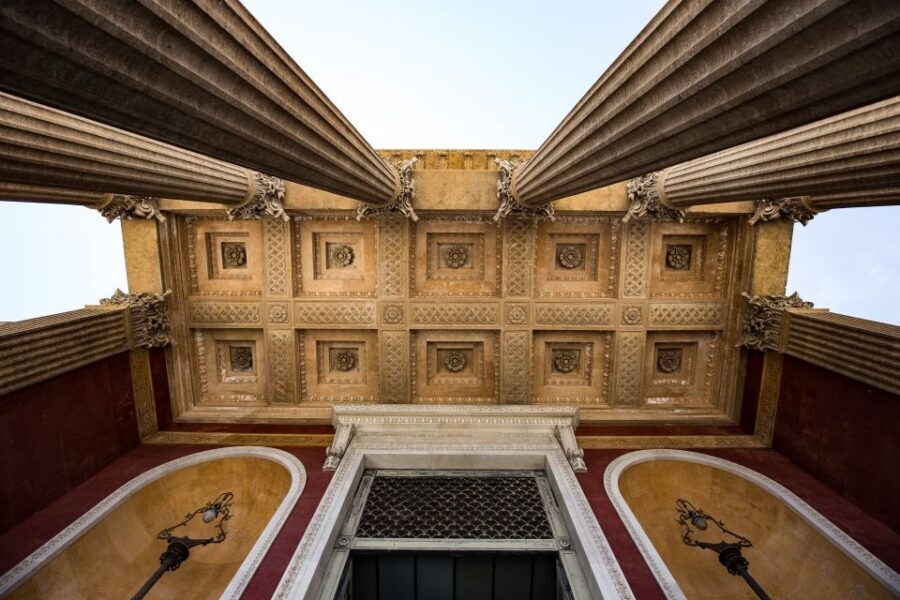
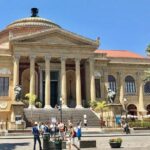
- Teatro Massimo: the elegant opener that sets the tone
- Piazza Giuseppe Verdi: a quick guided reset
- Santa Maria Assunta (Arab-Norman cathedral): the relics part you’ll remember
- Quattro Canti: Palermo’s center of geometry, power, and punishment
- Fontana Pretoria (the Fountain of Shame): a dramatic name with a precise story
- Mercato del Capo: learn the food language of Palermo
- The best bonus: what the guide sets you up to explore on your own
- Price and value: is $220.91 per person fair for Palermo?
- Who should book this private Palermo tour
- Should you book this Palermo private city tour?
- FAQ
- How long is the Palermo private city tour?
- Where does the tour start and end?
- Is this tour private?
- What languages are available for the live guide?
- What are the main places the tour covers?
- Is the tour wheelchair accessible?
- What should I bring?
- How do I handle the schedule if I have limited time?
- Can I cancel for a refund?
- Is there a reserve now & pay later option?
Key highlights worth your attention
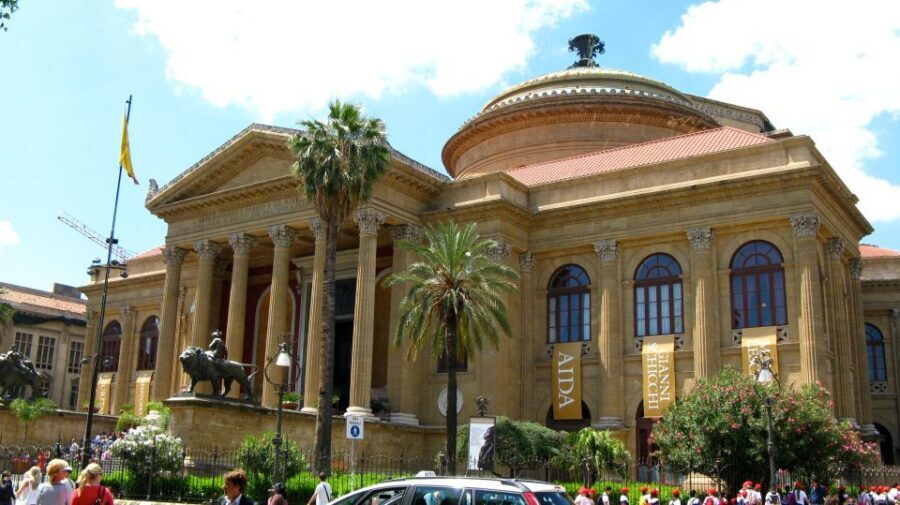
- Teatro Massimo with a Florio connection: a star stop that links to Palermo’s 19th–20th century shipowners and industrialists
- Santa Maria Assunta and Santa Rosalia’s relics: the patron saint shows why locals care about this place
- Quattro Canti at Palermo’s center: four corners, fountains, and stories tied to executions
- Fontana Pretoria’s big origin story: built in Florence, shipped in 622 pieces
- Mercato del Capo street-food culture: you’ll learn the names of classics like panelle, arancini, and cannoli
Why a 3-hour private Palermo walk from Teatro Massimo makes sense
Palermo can feel like a lot, especially if you’re here for a cruise day or you only have a small window. This tour is built for that reality: it’s private, it’s 3 hours, and you start right at a clear landmark—Teatro Massimo on Giuseppe Verdi Square—so you can meet up without a scavenger hunt.
What you gain with a private format is pace control. You’re not stuck listening to someone else’s slow questions. You’re also not forced into a rigid “everyone lines up now” rhythm. The guide leads you stop to stop, with guided time kept intentionally short—about 30 minutes at several locations—so you get coverage without burning the whole afternoon standing around.
And honestly, Palermo is one of those cities where the atmosphere matters. The tour leans into that with a market stop that’s all smells, shouts, and food names you can carry with you long after you leave.
Other city tours we've reviewed in Palermo

Teatro Massimo: the elegant opener that sets the tone
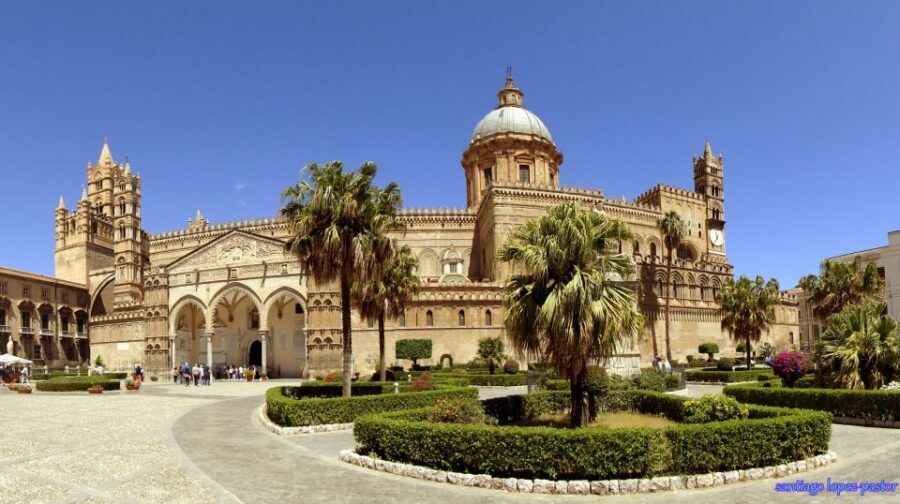
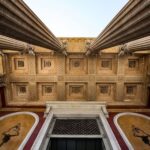
Teatro Massimo is the kind of place you notice even when you’re not trying. It’s the tour’s starting point, and it works well as a first stop because it’s instantly “Palermo.” The guide ties it to the Florio family, who were major shipowners and industrialists in Italy between the 19th and 20th centuries.
That link isn’t just trivia. It helps you understand why Palermo’s architecture looks the way it does—why you see grand buildings, money, and ambition in the city fabric. Even if you’re not an architecture person, this is one of the fastest ways to go from sightseeing mode to understanding mode.
Practical tip: wear comfortable shoes and treat this first stop as your orientation. Before you wander into squares and churches, it’s useful to have one solid “anchor” in your head. Teatro Massimo gives you that.
Piazza Giuseppe Verdi: a quick guided reset
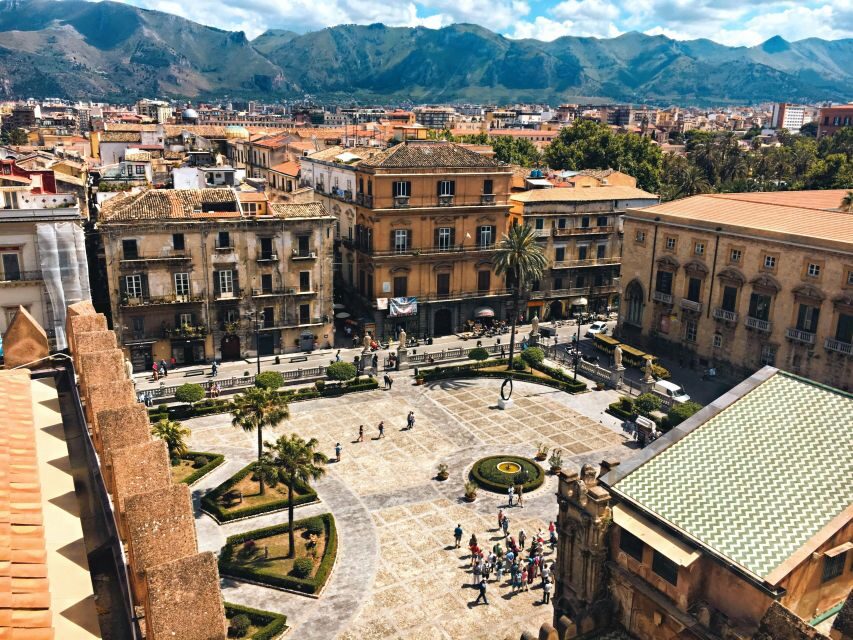
From Teatro Massimo, you move into Piazza Giuseppe Verdi for a guided walk and sightseeing time. It’s not meant to turn into a long detour. Think of it as a reset: you’re getting your bearings, learning what to look for, and setting up the bigger religious and civic sights ahead.
This is also where a private guide helps you avoid the “I see it, but I don’t know what I’m seeing” problem. A short guided walk here matters because it can make the next stops feel clearer, not random.
If you’re pressed for time, this is the kind of stop you want: guided enough to teach you something, brief enough to keep momentum.
Santa Maria Assunta (Arab-Norman cathedral): the relics part you’ll remember
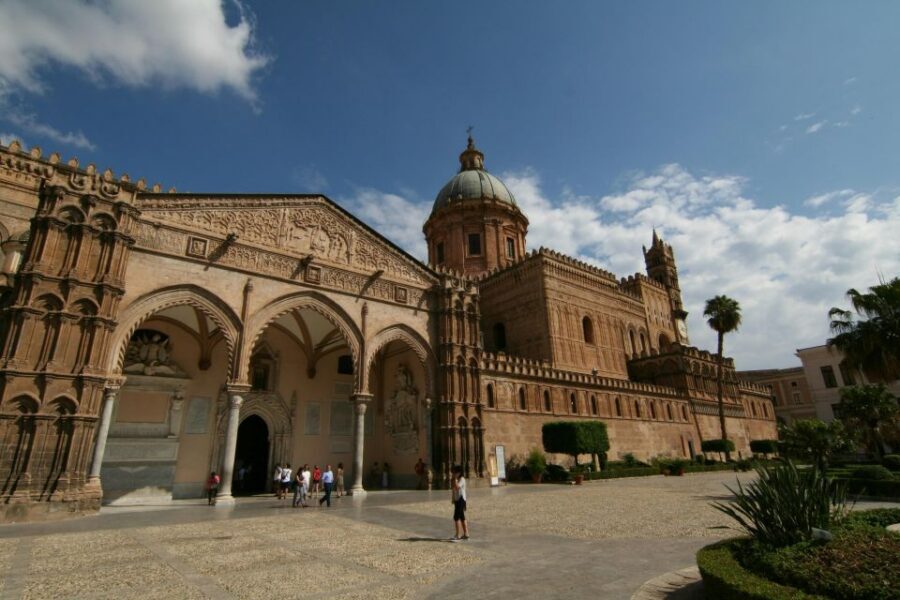
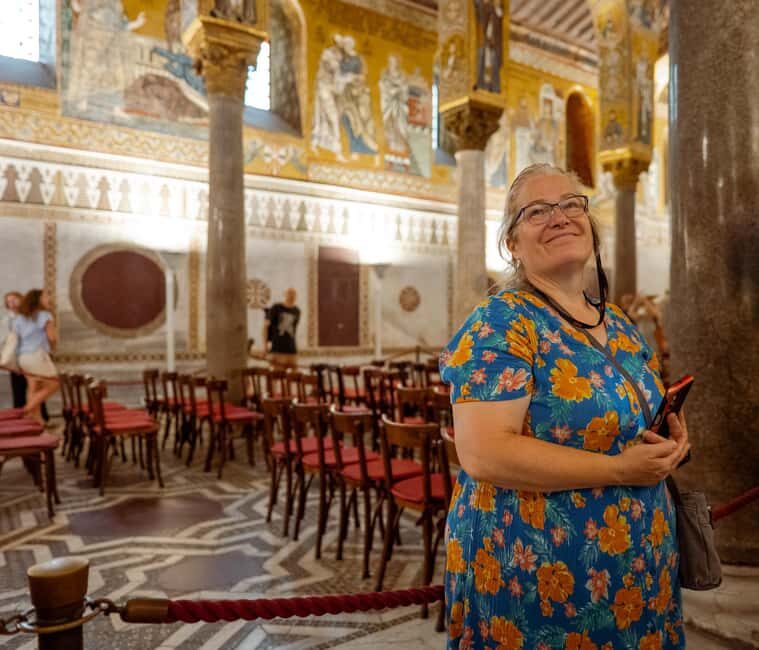
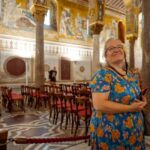
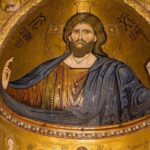
The tour centers on the imposing Arab-Norman cathedral dedicated to Santa Maria Assunta. This is the moment when Palermo shifts from city-walk energy to something deeper and more solemn.
The key detail the guide brings to the foreground is the presence of relics of Santa Rosalia, Palermo’s patron saint. That matters because it explains the emotional weight behind the building. Without that context, a cathedral can feel like a landmark you photographed and moved on from. With it, you start to understand why the city ties its identity to this place.
One thing to keep expectations realistic: the tour is about a guided visit with limited time per stop. So you’ll get guided insight, but it’s not the kind of slow, long-form church day where you linger on every side chapel for an hour.
Quattro Canti: Palermo’s center of geometry, power, and punishment
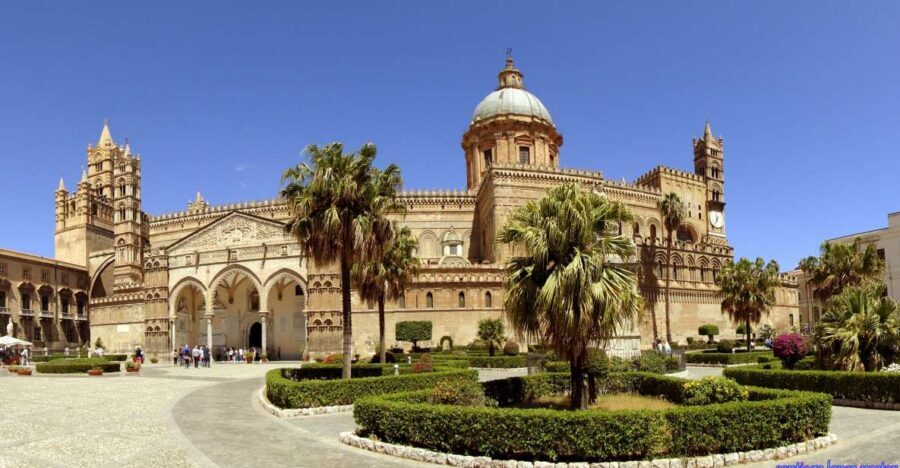
Next comes Quattro Canti, described as a mysterious place where the lives of those condemned to death once ended. The square is considered the ideal center of Palermo, and it’s built around a very specific idea: four corners, each with identity, each with its own fountains.
You’ll also learn that in each corner there’s a fountain with a seventeenth-century statue. That detail is the kind of thing that makes the whole square click in your mind. It’s not just “pretty old buildings.” It’s a design that reflects how the city organized attention—public space was never neutral.
What I like about this stop is that the guide doesn’t treat it as a spooky photo spot. The story makes sense of the setting. You start to see how the square functioned in daily life, not just as a backdrop for executions.
Quick note: this area can be visually busy. Bring your “pause and look” mindset. Spend a minute absorbing the corner-to-corner layout before you move on.
Other private tours in Palermo
Fontana Pretoria (the Fountain of Shame): a dramatic name with a precise story
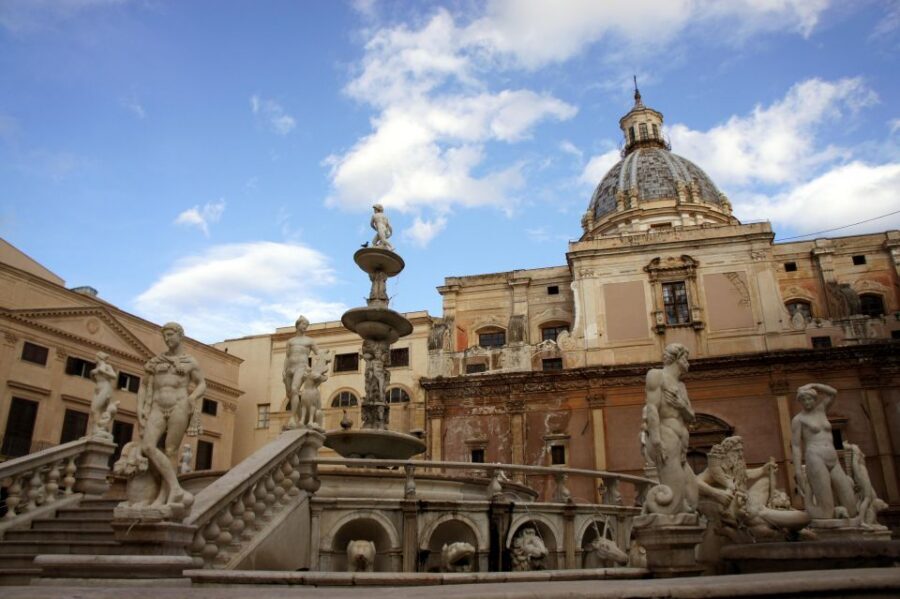
Fontana Pretoria is one of those landmarks that gets under your skin because of the scale. It’s also known as the Fountain of Shame, and the tour gives you the origin story that explains why that name sticks.
Here’s the core facts the guide emphasizes: it was built in Florence in the sixteenth century, then shipped to Palermo in 622 pieces. That’s such a specific number that it sticks in your memory, and it helps you see the fountain as a real project of movement and ambition—not just a random “old water feature.”
The tour also frames it as one of the largest and most monumental fountains in Europe. Even if you don’t love fountains, the logistics of its creation make it worth paying attention to.
Practical tip: if you tend to rush photos, slow down here. This is a place where a wide shot helps, but so does stepping back and checking how the sculpture and basin fill the space.
Mercato del Capo: learn the food language of Palermo
Then you hit Mercato del Capo, and the tour turns its attention to what Palermo does best when it comes to everyday life: food culture.
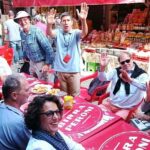
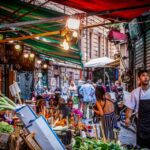
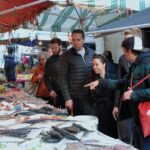
The market is famous for flavors and smells, and the guide helps you “read” the scene—think shouts from merchants, quick exchanges, and the fast rhythm of people buying and eating. This is the kind of stop that’s valuable even if you don’t plan to snack constantly, because you learn the names and the styles of what’s made here.
The tour highlights a long list of local classics, including:
- panelle
- crocchè
- quarume (veal entrails)
- sandwich with meuza (spleen)
- arancini
- cannoli
…and other typical Sicilian products, including fresh baked vegetables.
Even if you’re picky, seeing these items listed and explained helps you avoid feeling lost when you later walk into a Palermo bakery or street-food counter on your own. You’re not just hungry—you’re informed.
One consideration: if you dislike strong food smells or tight crowds, this stop might feel intense. Plan to keep your pace steady and give yourself permission to pause at the edges. You can still enjoy the guide’s explanation without forcing yourself to stand shoulder-to-shoulder.
The best bonus: what the guide sets you up to explore on your own
One of the smarter parts of this tour is what comes after the main hits. The guide also shows you external noble palaces and churches, and even references catacombs, explaining how you could access them independently if you have time and want deeper information.
This is a great feature for two reasons:
- You get direction while you’re still in the right part of town.
- You don’t waste your limited tour time trying to pack in more than 3 hours can handle.
If you’re the type who likes to keep exploring after the official tour ends, this “next steps” guidance is worth its weight. It turns a short guided walk into a springboard.
Price and value: is $220.91 per person fair for Palermo?
At $220.91 per person for a 3-hour private city tour, you’re paying for time, expertise, and that private format. That price isn’t the cheapest way to see Palermo. It is also not designed to compete with big group bus tours.
So the real value question becomes: what are you trying to get out of your day?
- If you want a guided route that covers the standout symbols—Teatro Massimo, the Santa Maria Assunta cathedral, the civic center at Quattro Canti, the story-heavy Fontana Pretoria, and the food culture of Mercato del Capo—this tour can feel efficient.
- If you only want a casual wander with no guidance, you might feel like you’re paying for information you could find on your phone.
In other words: you’re paying for clarity and flow. If you’ll use that, the cost starts to make sense.
Who should book this private Palermo tour
This tour fits best if you:
- have limited time, like a cruise stop or a tight itinerary
- want a guided route that hits the main sights without taking over your whole day
- like food-focused stops where you learn what to order later
- prefer a private pace and a guide who can answer questions in the moment
It’s also a good option if you’re traveling with someone who needs structure. The start and end are simple: you meet at Teatro Massimo and return there at the end of the tour.
Should you book this Palermo private city tour?
I’d book it if you want a high-impact introduction to Palermo in a short window. The mix works: a major landmark tied to powerful Palermo families, a cathedral grounded in Santa Rosalia devotion, a civic square with execution-era meaning, a fountain with an unusually specific shipping story, and a market stop that gives you real food vocabulary.
I would hesitate only if you want long cathedral time, slow museum-style pacing, or a hands-on tasting experience built into the itinerary. This is guided sightseeing on foot, with short, focused blocks—excellent for getting your bearings, not ideal for lingering all day.
If that matches your travel style, this is a strong way to spend 3 hours in Palermo.
FAQ
How long is the Palermo private city tour?
The tour lasts 3 hours.
Where does the tour start and end?
It starts in front of Teatro Massimo, Giuseppe Verdi Square in Palermo, and it ends back at the same meeting point.
Is this tour private?
Yes, it’s listed as a private group.
What languages are available for the live guide?
The live guide is available in English, French, German, Italian, and Spanish.
What are the main places the tour covers?
You’ll see Teatro Massimo, the Arab-Norman cathedral dedicated to Santa Maria Assunta, Quattro Canti, Fontana Pretoria, and Mercato del Capo.
Is the tour wheelchair accessible?
Yes, it is wheelchair accessible.
What should I bring?
Wear comfortable shoes and bring a passport or ID card (a copy is accepted).
How do I handle the schedule if I have limited time?
The tour length is fixed at 3 hours, but starting times can vary, so you’ll want to check availability for the schedule.
Can I cancel for a refund?
Free cancellation is available up to 24 hours in advance for a full refund.
Is there a reserve now & pay later option?
Yes, you can reserve your spot and pay later.