REVIEW · PALERMO
Palermo: Markets and Monuments City Center Walking Tour
Book on GetYourGuide →Operated by Cavallaro Fabrizio · Bookable on GetYourGuide
Palermo’s center is loud, fast, and photogenic. I love the mix of big sights and market street life, plus the fact that you get inside Palermo Cathedral with a guide who can explain what you’re actually looking at. My one caution: you’ll be on foot for about 2–3 hours, and the cathedral has a strict dress code, so bring the right layers.
This tour works best when you want answers—why these buildings look the way they do, and what the squares and churches mean in Palermo’s Norman-era story. It also helps that the walking route strings together the city’s most central stops, ending right at Quattro Canti. If you’re the type who prefers to drift without structure, you might find the schedule a bit guided.
In This Review
- Key Things You’ll Like Most
- Walking the Real Palermo: Markets, Churches, and the Perfect Central Route
- Teatro Massimo: Italy’s Biggest Opera House, and What Acoustics Have to Do with It
- Capo Street Market: Smell-First Walking, Then Food Choices That Make Sense
- Palermo Cathedral: A 12th-Century Stop With One Big Rule
- Church of the Gesù and the Praetorian Palace: Baroque Power and Norman-Era Context
- Quattro Canti (Four Corners): Where the Tour Lands, and Why It’s a Smart Finish
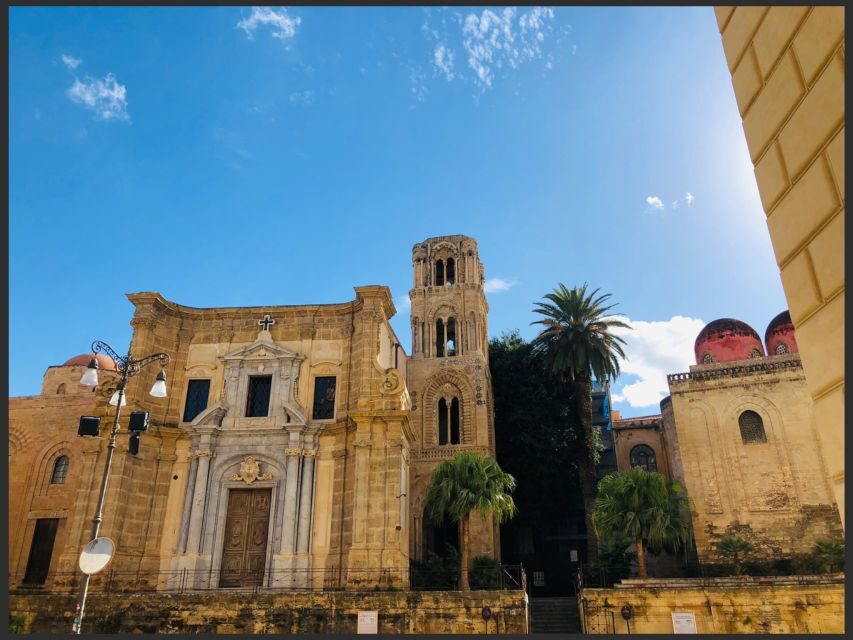
- Bellini Square and the Norman Sicily Churches: San Cataldo and Martorana
- What You’ll Walk Past (Cassaro and Porta Carini) and Why That’s Helpful
- Price and What’s Actually Included (So You Can Budget Without Surprise)
- What to Bring and How to Prepare for a 2–3 Hour Walking Tour
- Who This Tour Is Best For
- Should You Book This Palermo Markets and Monuments Tour?
- FAQ
- How long is the Palermo city center walking tour?
- What is the price per person?
- What’s included in the tour price?
- Do I need to pay extra for monuments, or is everything covered?
- Is food and drink included?
- Is there a dress code for the cathedral?
- Are luggage or large bags allowed?
Key Things You’ll Like Most
- Inside Palermo Cathedral (12th century), with the right context for what’s special before you even start looking
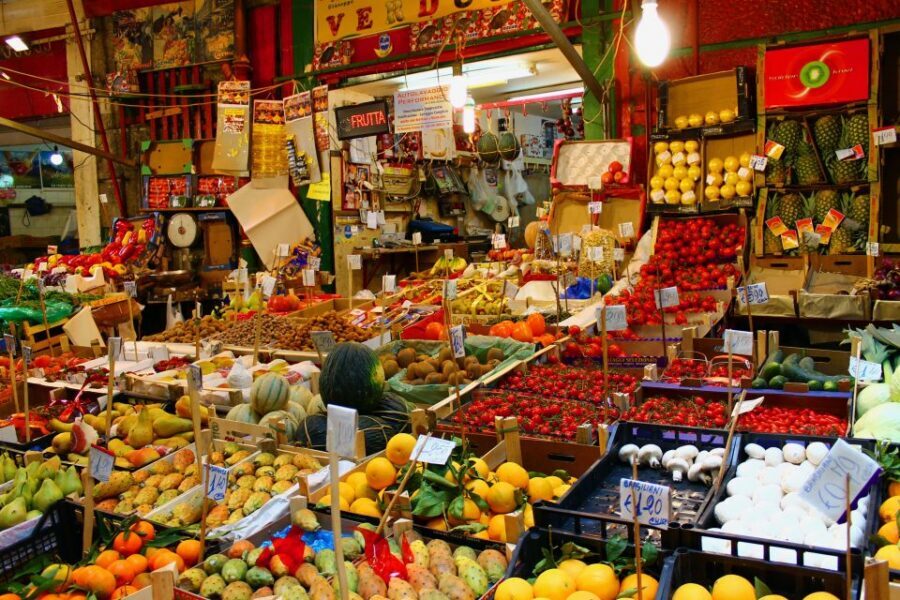
- Capo street market time, where your guide helps you read the street scenes, stalls, and local food culture
- Teatro Massimo stop to understand why it’s famous for acoustics (Italy’s largest opera house)
- Quattro Canti (Four Corners) as the perfect finish point, right where the historic streets cross
- Praetorian Palace and Fontana Pretoria near Pretoria Square, including the notorious fountain-statue nickname
- Bellini Square churches (San Cataldo and Martorana) that tie together Norman Sicily and UNESCO significance
Walking the Real Palermo: Markets, Churches, and the Perfect Central Route
Palermo can feel like two cities at once: grand stone landmarks on one side, and everyday noise from the street markets on the other. This tour pulls those two worlds together without making you travel across town. You’ll start in central areas, then move through key monuments while still getting time in the city’s street-level action.
The value here is not just “see X, see Y.” It’s the order. You build your understanding as you go: theatre history first, then Norman-era architecture, then baroque squares, then market culture. By the time you reach the end point near Quattro Canti, you’ll have a clearer sense of where everything sits in the historic grid.
The guide—Cavallaro Fabrizio—is a big part of why the experience lands well. In the stories shared by his group, Fabrizio is described as attentive and quick to answer questions, with explanations that are detailed but not heavy-handed. That matters because Palermo’s churches and palaces can look similar from a distance if you don’t know what to look for.
Other walking tours we've reviewed in Palermo

Teatro Massimo: Italy’s Biggest Opera House, and What Acoustics Have to Do with It
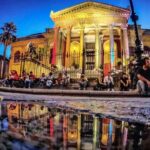
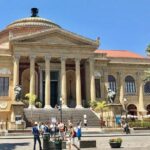
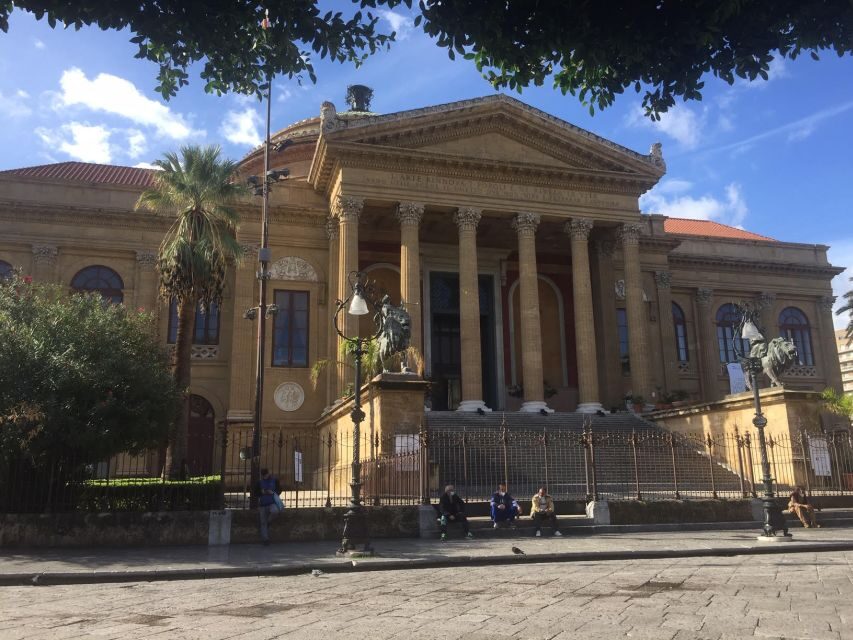
You’ll begin with Teatro Massimo, the city’s flagship opera house. It’s known as Italy’s largest opera house, and the tour gives you the key idea behind its fame: perfect acoustics. Even if you don’t plan to attend a performance, this is a useful stop.
Why? Because Palermo’s grand buildings often have a reason beyond decoration. The theatre represents civic ambition—Palermo trying to be culturally “important,” not just locally familiar. Your guide points out the features that make it stand out, so you notice the design rather than just the crowd.
This is also a good “tempo setter.” Teatro Massimo is a calmer moment compared with the market later. It’s your chance to get oriented before the street scene starts doing its thing.
Capo Street Market: Smell-First Walking, Then Food Choices That Make Sense
Capo is the big market street most people hope to find in Palermo, and this tour builds in time to walk through it with a guide. Expect textiles, colorful foods, and lots of stall energy. It can be overwhelming on your own because the street is layered—snacks, ingredients, casual conversations, and quick sales all happening at once.
What makes this market stop work is guidance. Your guide helps you navigate what you’re seeing, so the market becomes more than just a photo backdrop. You’ll weave through stalls and take in the sights and smells at human speed.
Then there’s the food moment. You can buy and taste popular street bites like panelle, crocché, sfincione, and arancina. Since food and drinks aren’t included, you’ll pay out of pocket, but the tour gives you a short list of what to try so you’re not guessing with your first order.
Practical note: markets mean uneven ground and standing more than you think. Wear shoes you can actually walk in for a few hours. And yes, bring water.
Palermo Cathedral: A 12th-Century Stop With One Big Rule
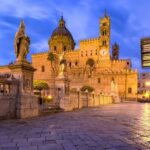
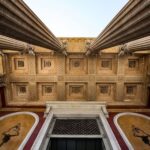
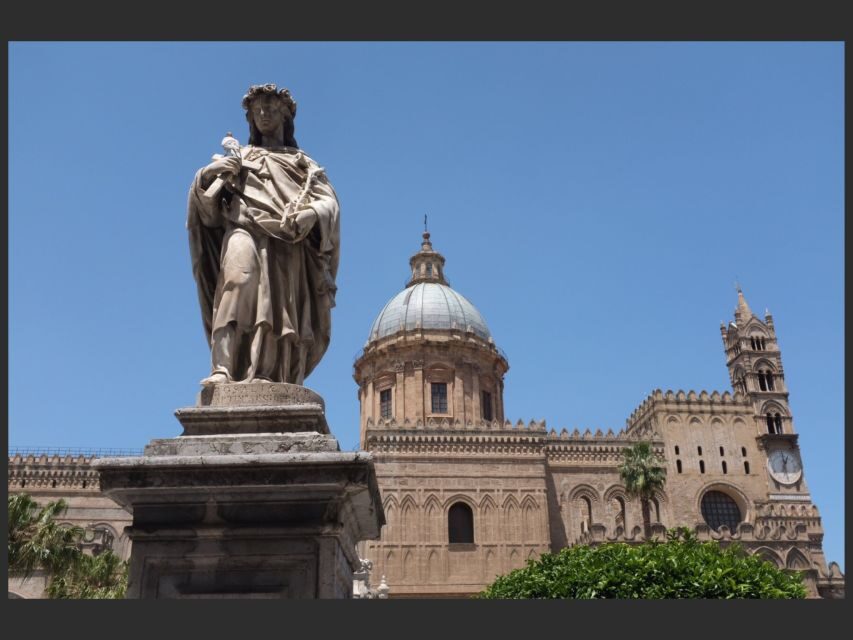
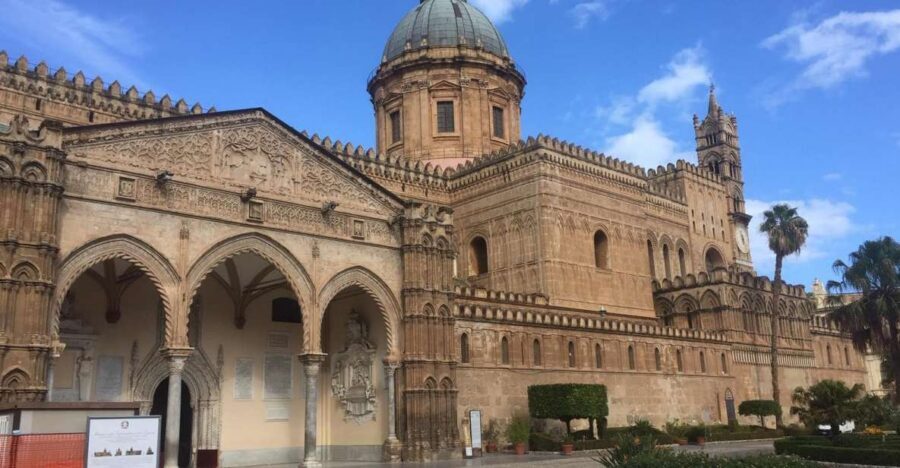
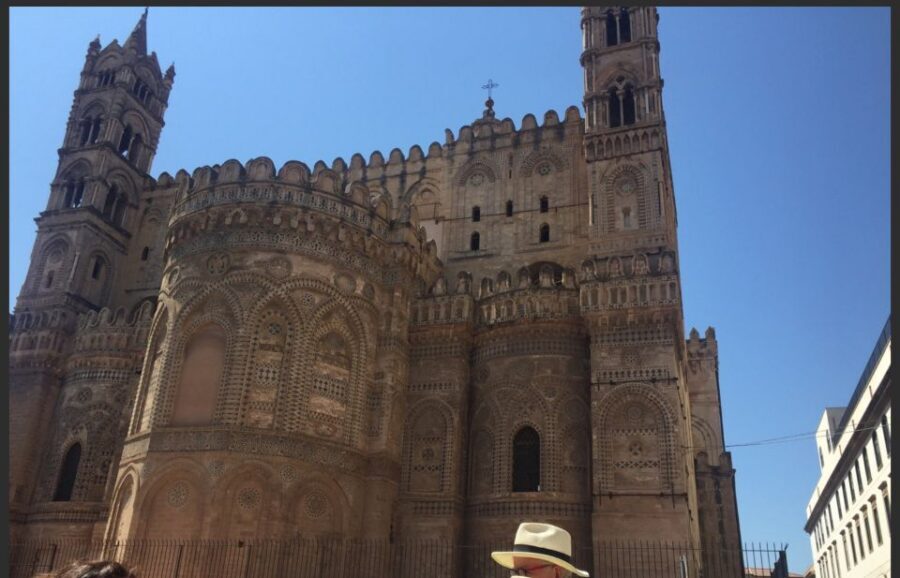
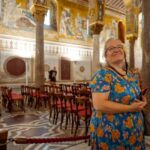
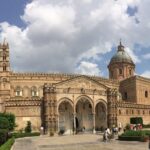
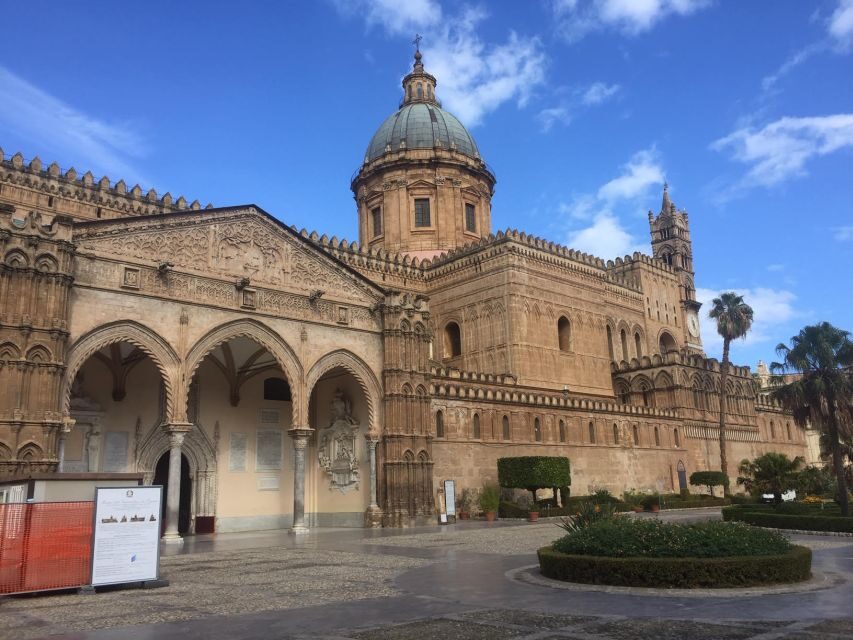
Palermo Cathedral is the kind of place where the inside rewards attention. This tour gets you in, and that’s a big deal because the cathedral is from the 12th century and part of the UNESCO World Heritage list. You’re not just peeking at the outside.
The main “make or break” detail is the dress code. Men cannot wear shorts, and tank tops. Women cannot wear shorts, miniskirts, and tops. Bermuda shorts and T-shirts are allowed, which is helpful if you travel light.
If you forget, don’t panic. At the cathedral entrance you can buy a light jacket for 1€ to cover shoulders and legs. That’s one of those small local fixes that turns a potential problem into a non-issue.
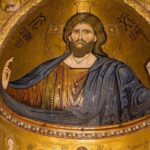
Inside the cathedral, your guide’s job is to help you read what you’re seeing. Without that, big churches can blur together. With it, the architecture starts to feel like a story with chapters instead of a collection of details.
Church of the Gesù and the Praetorian Palace: Baroque Power and Norman-Era Context
As you move through central Palermo, the route includes the Church of the Gesù and the Praetorian Palace. These stops sit in the “grand, decorative” side of town, but your guide keeps it grounded.
The Church of the Gesù is highlighted as one of the most important baroque churches in Palermo. Baroque can sound like a buzzword until you understand the idea: drama in stone, emotion in structure, and details meant to be seen up close.
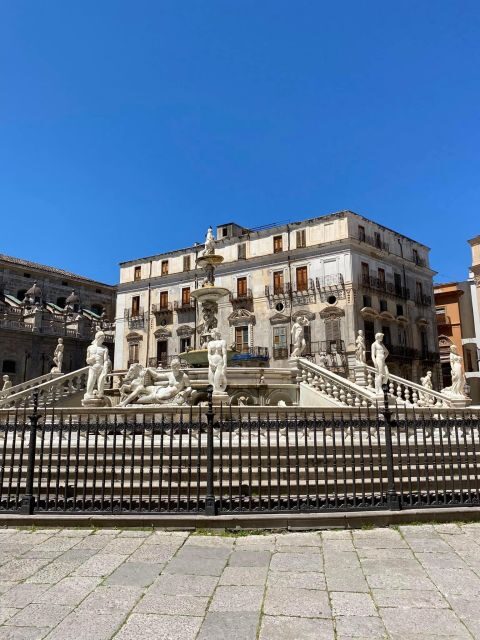
Praetorian Palace and Pretoria Square add another layer. Pretoria Square is nicknamed by locals as the square of shame, tied to the nudity of its fountain statues. It sounds like a joke, but once you’re standing there, you’ll see why the nickname stuck.
This area is also where you’ll get a feel for Palermo’s mix of styles across centuries. Norman Sicily shows up in specific church architecture, while later eras bring different tastes and building goals. The tour helps connect those eras instead of treating each place like a standalone postcard.
Other city tours we've reviewed in Palermo


Quattro Canti (Four Corners): Where the Tour Lands, and Why It’s a Smart Finish
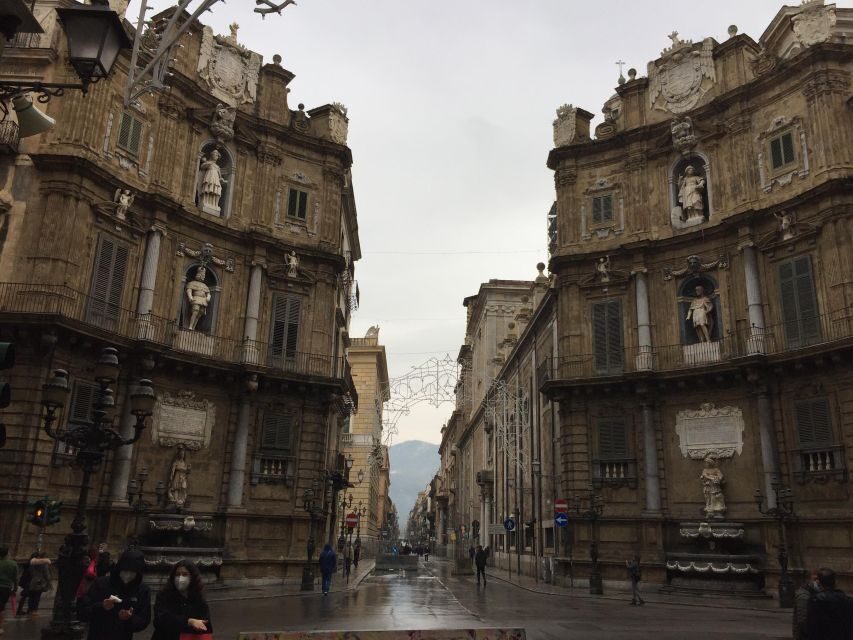
The tour ends at Quattro Canti, also known as Villena Square. This is at the crossing of Palermo’s two prominent streets: Corso Vittorio Emanuele and Via Maqueda. It was built in the early 1600s, and it’s famous for how the facades and street views align like theatre sets.
Finishing here is genuinely useful. You’re not dumped into a random street. You’re placed at a key crossroads in the historic center, which makes it easier to keep exploring after your guide leaves.
If you like having a “home base” feel for your next move, Quattro Canti does that. From here, you can branch out in multiple directions and feel like you’re still in the middle of Palermo’s action.
Bellini Square and the Norman Sicily Churches: San Cataldo and Martorana
This part of the tour is where Norman Sicily becomes more than a phrase. You’ll visit the nearby churches at Bellini Square, including San Cataldo and the Martorana Church. Both are UNESCO World Heritage–listed, so there’s a reason they matter beyond local pride.
These are the kind of churches where details reward patience. Your guide helps you notice the features that reflect the Norman-era blend, and how those churches fit into Palermo’s larger UNESCO story. The point isn’t to memorize dates. The point is to understand the visual language.
Even if churches aren’t usually your thing, this stop can change your mind because it comes after markets and squares. Your brain is already warmed up to Palermo’s layers of everyday and grand culture, so the churches land in a more meaningful way.
What You’ll Walk Past (Cassaro and Porta Carini) and Why That’s Helpful
You’ll also pass through areas like Cassaro and get brief views around stops such as Porta Carini. These are “in-between” moments, but they matter because they connect the big landmarks into one continuous city experience.
If you’ve never been to Palermo, these pass-by segments help you build your mental map. If you have been, they still help because you’re guided to understand how streets shape the walking flow and the sightline rhythm.
Price and What’s Actually Included (So You Can Budget Without Surprise)
The price is $41 per person for about 2–3 hours. For that, you get a professional guide, entrance to Palermo Cathedral, and a pickup option close to the port for cruise passengers (when offered for your booking).
Not included: entrance fees to other monuments and museums, plus food and drinks. That last part matters because the market stop includes street food tasting opportunities, but you’re paying for what you choose.
Here’s how I’d think about the value: you’re paying for a guide to connect the dots across multiple major sites. You’re not just buying access to one building. The cathedral entry helps, but the real payoff is the explanation you get while moving between churches, palaces, and market streets.
What to Bring and How to Prepare for a 2–3 Hour Walking Tour
This is a walking tour, and the best preparation is simple. Wear comfortable shoes, and plan on doing stairs or uneven surfaces if you linger near stalls. Bring water and comfortable clothes, especially because you might need to adjust for sun and shade around markets.
Also remember the luggage rule: no luggage or large bags. If you’re coming straight from travel days, plan to keep your hands free.
If you’re visiting the cathedral day-of, check your outfit before you leave your hotel. If you’re unsure you’ll meet the dress code, it’s comforting to know you can buy a 1€ jacket at the entrance.
Who This Tour Is Best For
This tour is ideal if you want a focused intro to central Palermo and you like learning while you walk. It’s especially good for first-timers because it hits the core monuments and the key market street in a short time.
You’ll also enjoy it if you’re curious about how Palermo’s Norman Sicily and later baroque influences show up in real buildings and public squares. And if you want to eat your way through one of the city’s signature streets, the Capo market stop gives you a clean starting point with specific local snacks.
Should You Book This Palermo Markets and Monuments Tour?
I’d book it if you want the most efficient “see and understand” version of central Palermo in a few hours. The mix of cathedral interior, Capo market time, and major squares like Quattro Canti is a strong hit of variety without demanding a half-day drive.
I would skip or rethink if you hate dress-code rules, or if you want totally free-form walking with no schedule at all. The tour is guided, and you’ll move between sites on foot.
If you book, choose shoes you can trust, dress for the cathedral, and come hungry enough for at least one Capo snack. That’s how you’ll get the full Palermo feeling—street level and stone level, both in one go.
FAQ
How long is the Palermo city center walking tour?
The tour lasts about 2–3 hours.
What is the price per person?
The price is listed as $41 per person.
What’s included in the tour price?
You get a professional guide, entrance to the Palermo Cathedral, and a pickup option close to the port for cruise passengers (when available).
Do I need to pay extra for monuments, or is everything covered?
Entrance fees to monuments and museums are not included, so you may need to pay additional fees depending on what’s visited.
Is food and drink included?
Food and drinks are not included. You can buy and taste street food at the Capo street market.
Is there a dress code for the cathedral?
Yes. Men cannot wear shorts or tank tops. Women cannot wear shorts, miniskirts, or tops. Bermuda shorts and T-shirts are allowed. You can also buy a light jacket for 1€ at the cathedral entrance.
Are luggage or large bags allowed?
No. Luggage or large bags are not allowed.