REVIEW · PALERMO
Palermo: Art and Architecture Walking Tour
Book on GetYourGuide →Operated by MySicilyGuide · Bookable on GetYourGuide
You’ll never see Palermo all at once, but this walk gets you close. It strings together Palermo Cathedral and the Cappella Palatina with a smart, small-group pace that helps you beat long-line stress and actually hear the stories behind the stones.
I especially liked how the route balances showpiece buildings with the smaller medieval lanes between them, and it doesn’t treat the city like a random collection of facades. The one thing to think about: entrance tickets aren’t included, and you’ll also want to follow the dress-and-bag rules (no shorts, and no backpacks/oversize luggage inside monuments).
In This Review
- Key highlights I’d plan around
- Why Palermo’s big-name landmarks work best on foot
- The walking rhythm: meeting points, pacing, and time on the ground
- Stop-by-stop: what each highlight is really for
- Stop 1: Set-up at Teatro Politeama Garibaldi or Villa Bonanno
- Stop 2: Palermo photo stop + 30-minute guided look
- Stop 3: Fontana Pretoria (15 minutes)
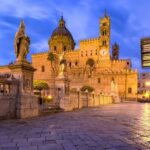
- Stop 4: Palermo Cathedral (about 1 hour)
- Stop 5: Quattro Canti (about 30 minutes)
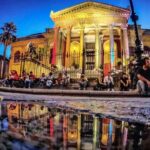
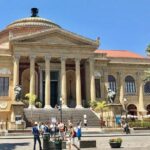
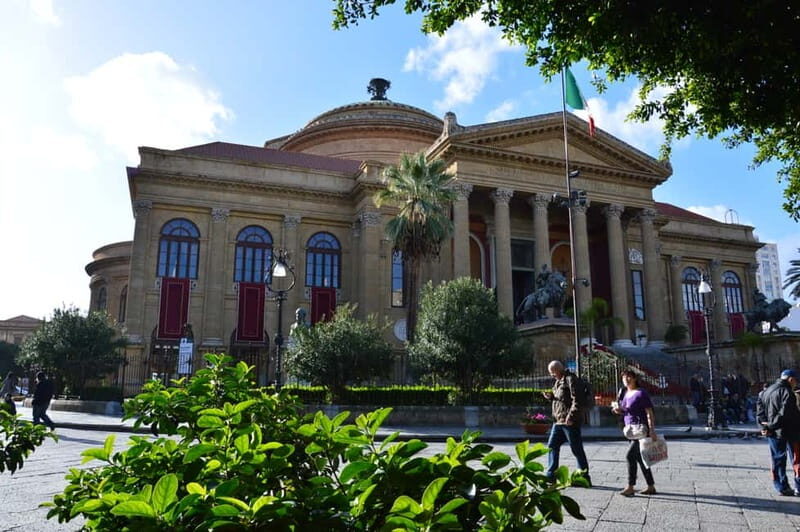
- Stop 6: Teatro Massimo (about 29 minutes)
- Arab-Norman to Gothic to Baroque: what you’ll actually notice
- St. Rosalie: the legend that ties the city together
- Skip-the-line entry and the real cost of your day
- Price: is it worth $317.20 per group?
- What to expect from the guide experience
- Small rules that can affect your comfort
- Who this tour fits best
- Should you book this Palermo art and architecture walking tour?
- FAQ
- How long is the Palermo Art and Architecture Walking Tour?
- Is this tour a private group?
- What are the main sights included?
- Are entrance tickets to monuments included?
- Does the tour help you avoid long lines?
- Where does the tour start and end?
- What languages are available for the guide?
- Is the tour wheelchair accessible?
- What should I bring, and what is not allowed?
- Is there a special rule for monument access on the first Sunday of the month?
- What is the cancellation policy?
Key highlights I’d plan around
- Skip-the-line entry through a separate entrance, so your time goes to seeing—not waiting
- Capella Palatina + Palazzo Reale stops that spotlight the Arab-Norman era and religious rites
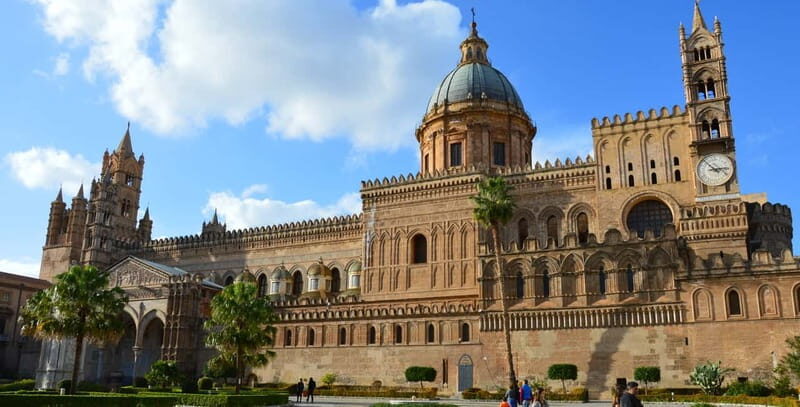
- Palermo Cathedral facade where styles shift from Gothic through early Renaissance to Baroque
- Fontana Pretoria + Quattro Canti for dramatic city-center sights and great photo angles
- Teatro Massimo and the Politeama sestiere street walk, including Teatro Politeama
- St. Rosalie patron saint legend to connect the landmarks into one living Palermo story
Why Palermo’s big-name landmarks work best on foot
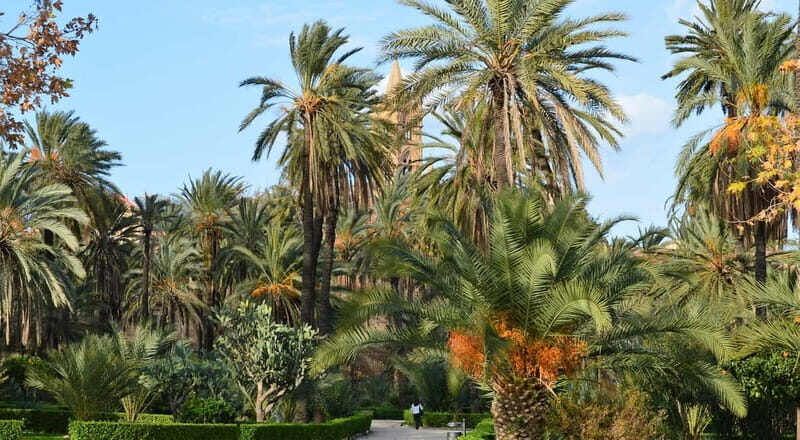
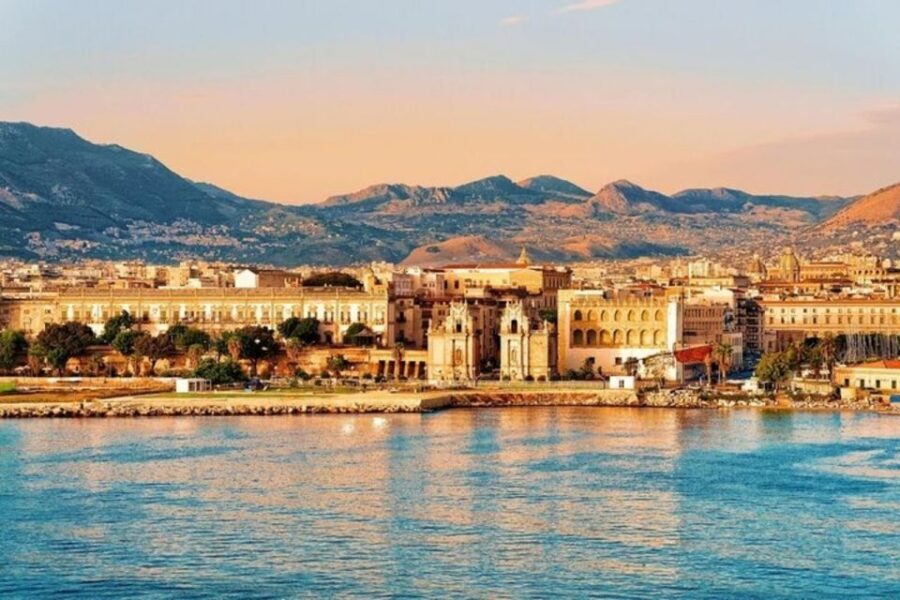
Palermo can feel layered on purpose. One street can hint at the Phoenicians, then the Roman Republic, then the Byzantine Empire—and then, suddenly, you’re standing in the kind of place where later eras left their mark on what you see today. This tour’s main trick is that it doesn’t only name-drop monuments. It links them into a timeline you can walk through.
You also get a practical benefit: a walking route beats the classic big-bus approach. With a small group, you’re more likely to get close enough to understand what you’re looking at, and you’re not constantly waiting for the person in front to decide where to stand. If you care about architecture and atmosphere, that matters.
Other walking tours we've reviewed in Palermo

The walking rhythm: meeting points, pacing, and time on the ground
Your start point may vary depending on the option you book, with two common meeting places: Teatro Politeama Garibaldi or Villa Bonanno. The walk keeps moving, and the experience finishes back around Teatro Politeama Garibaldi, which is a convenient anchor if you’re planning dinner afterward.
You’re looking at a duration of about 3 hours, even if the tour is also described as a half-day with a longer guided framing. Either way, the structure is the same: photo stop, quick guided context, then a longer visit where it counts. That’s a nice compromise if you want real access without committing your entire day.
One more small logistics note that affects your comfort: you’ll want comfortable shoes and you should plan for sun. The recommended packing list includes sunglasses, a sun hat, and sunscreen—Palermo can be bright, even when the city looks scenic and calm.
Stop-by-stop: what each highlight is really for
Here’s the itinerary flow and why each stop deserves its time.
Stop 1: Set-up at Teatro Politeama Garibaldi or Villa Bonanno
You begin at one of the two meeting locations, then you get your bearings before heading into the historic core. Think of this as your warm start: it’s when you learn how the guide plans to connect the Arab-Norman era, later European styles, and Palermo’s religious traditions.
If you’re new to Palermo, this initial orientation is a big help. Even if you’ve read about the city, having the route explained at the start makes the rest of the walking feel less like aimless wandering.
Stop 2: Palermo photo stop + 30-minute guided look
This segment is listed as a photo stop plus a guided visit for about 30 minutes. Even without naming a single building here, the purpose is clear: you get time to absorb the historic city-center feel and understand what the guide is building toward.
This is also the kind of stop where a good guide can shape your entire perception of the day. If you know what you’re looking for—styles, religious signals, how different eras left their fingerprints—you’ll notice more on the next stops.
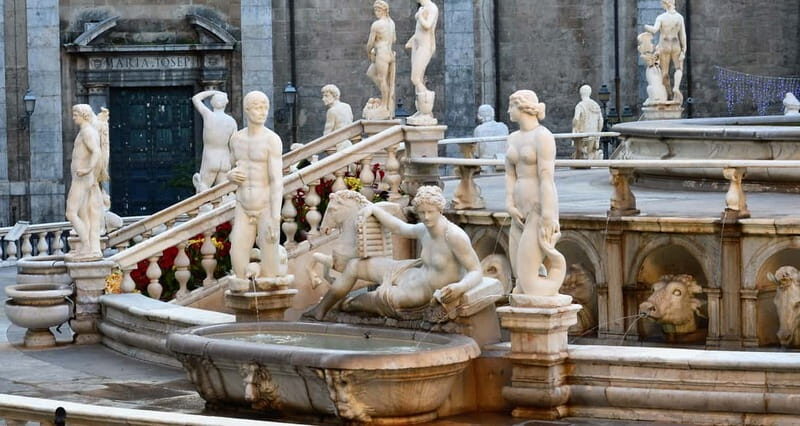
Stop 3: Fontana Pretoria (15 minutes)
Next comes Fontana Pretoria for a photo stop and a shorter guided visit (about 15 minutes). This is a great “moment” stop: you stand, you look, and you get the meaning explained so it doesn’t just become another big statue-filled square photo.
Because the time here is short, it also keeps the tour from dragging. If you tend to get tired around the third monument, this pacing helps.
Stop 4: Palermo Cathedral (about 1 hour)
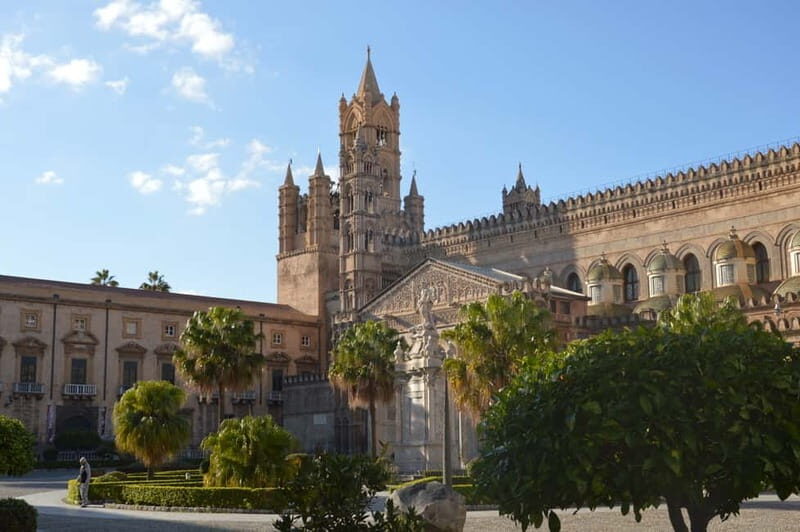
This is one of the core stops—Palermo Cathedral—with about one hour on site plus photo viewing. What makes it special in this tour is the emphasis on the facade’s mixed architectural styles, ranging from Gothic through early Renaissance and Baroque.
That mix is exactly why a guided hour matters. Without someone to point out how the styles relate, the cathedral can feel like a beautiful jumble. With guidance, it turns into a story about Palermo’s layers of influence.
Practical note: you’ll want to dress in a way that fits the tour’s rules. Shorts aren’t allowed, so plan clothing accordingly even if the day feels warm.
Stop 5: Quattro Canti (about 30 minutes)
Then it’s Quattro Canti, again with a photo stop and about 30 minutes of guided time. This works well because it’s a classic city-center anchor: you can orient yourself visually, and you’ll understand how major streets and plazas shape movement through the historic districts.
If you like street-level Palermo—corners, facades, street theater—this is a strong stop. It’s also a good place for quick questions, since the group is likely to be paused and regrouping.
Stop 6: Teatro Massimo (about 29 minutes)
You finish with Teatro Massimo, with photo time and about 29 minutes guided. The guide brings you through the Politeama area, including well-known street landmarks like Teatro Politeama along the way.
Teatro Massimo is highlighted as one of the largest opera houses in Europe, and the tour places it in context so it feels less like a standalone attraction. It’s part of the Politeama sestiere walk, so you see how the grand architecture sits inside everyday city life.
If you’re an opera fan, you’ll likely love this stop. If you’re not, it still works because the building is about scale, symmetry, and how Palermo shows off its ambitions.
Arab-Norman to Gothic to Baroque: what you’ll actually notice
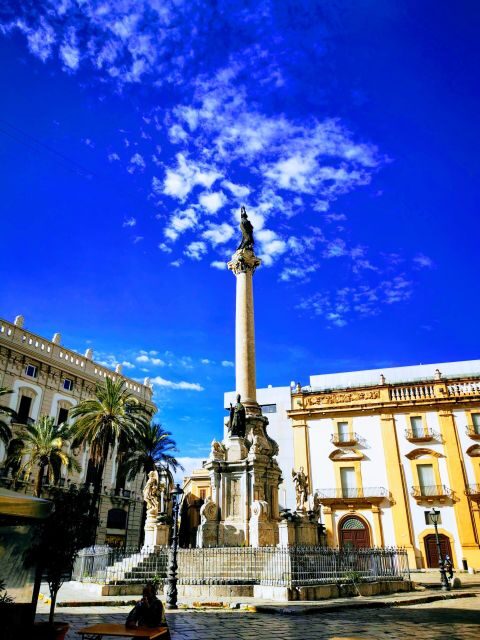
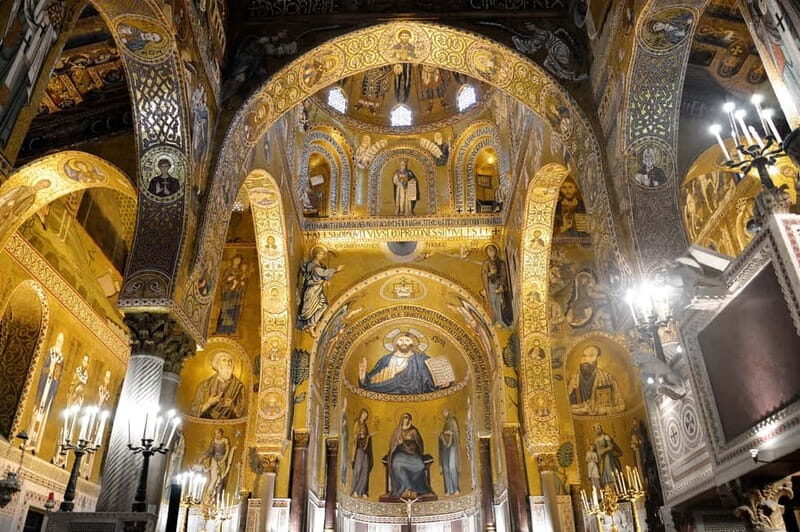
One reason I like this kind of guided architecture walk is that it trains your eyes quickly. The tour specifically calls out the Palazzo Reale area and the 12th-century Cappella Palatina, with talk about the Arab-Norman era and religious rites. That’s a meaningful choice.
Instead of only telling you what the building is, the guide helps you understand why these elements coexist in Palermo. You see the timeline in your feet: Arab-Norman religious space near later European stylistic expansions, all within a living city layout.
And then Palermo Cathedral lands the architectural “wow.” The facade styles shift from Gothic to early Renaissance to Baroque, which is the kind of detail you might miss if you’re sightseeing solo.
St. Rosalie: the legend that ties the city together
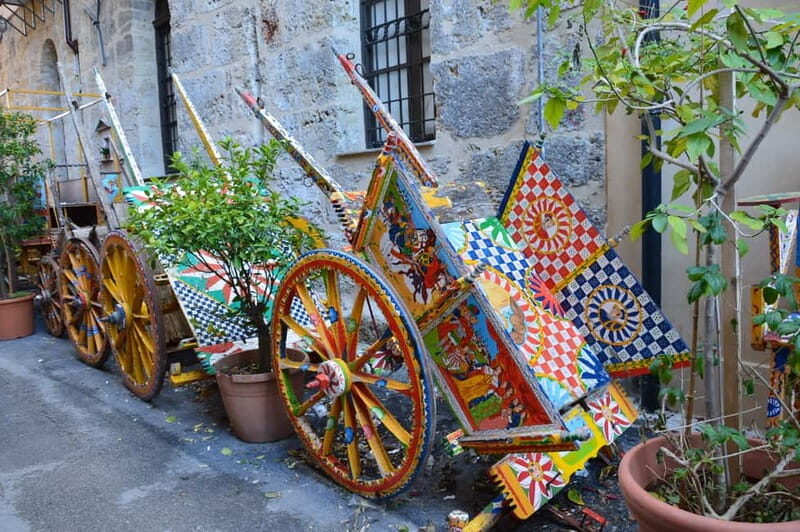
A tour can list monuments and still feel disconnected. This one aims to fix that with a specific thread: the legend of St. Rosalie, Palermo’s patron saint.
When a guide ties a saint’s story to the places where you feel that devotion, the city becomes more than architecture. It becomes habits, ceremonies, and local identity. Even if you’re not a religious history buff, a good legend can make a stop memorable because it gives you a reason to care about what you’re seeing.
Skip-the-line entry and the real cost of your day
This is where value gets practical. The tour includes a licensed guide, and it may include headsets if the group size is larger than 15 participants. It also uses a separate entrance to help you skip the line, so your paid time is more likely to go toward monuments rather than crowd management.
But entrance tickets are not included. You pay monument entrance fees directly to your guide prior to departure. So when you compare prices, remember you’re buying the guide + routing + access strategy, and then handling site entry separately.
There’s also a special case for the first Sunday of each month: entrance is free of charge to monuments, but a €3 per person reservation fee must still be paid (and the tour notes that a €3 per person fee is paid for booking/headsets). If you’re planning around a specific Sunday date, it’s worth timing your trip to reduce what you’d otherwise pay for entrance.
Price: is it worth $317.20 per group?
The price shown is $317.20 per group up to 5. For small-group private walking tours, that can be a fair deal if:
- you want a guided route instead of a self-guided scramble,
- you care about architectural interpretation (cathedral styles, Arab-Norman sites),
- and you’d otherwise waste time in queues.
If you’re traveling solo and you won’t fill the group cap, the per-person value may feel less attractive. If you’re a couple or a family of up to five, it can be excellent, because you’re effectively paying for a tailored experience rather than a seat on a crowded bus.
What to expect from the guide experience
The quality of the guide is the heart of this tour. The program offers live guiding in multiple languages, including Russian, English, French, Italian, Spanish, German.
I also like that the tour style supports a range of comfort needs. It’s listed as wheelchair accessible, and guides have been described as adjusting when weather turns rough, navigating lines effectively, and helping older travelers with patience and seating/elevator access when needed. If your group includes anyone with slower mobility, this kind of flexibility can make the difference between an enjoyable day and a stressed one.
And there’s an added bonus: because this is a walking format, you tend to get small detours for local atmosphere rather than just a straight line between monuments. That’s the kind of detail that makes Palermo feel like a place you visited, not a checklist you completed.
Small rules that can affect your comfort
Before you go, read the practical constraints so there are no surprises:
- Bring: comfortable shoes, sunglasses, sun hat, sunscreen
- Not allowed: shorts, oversize luggage, and backpacks
- Know before you go: large bags and backpacks aren’t permitted inside monuments
These rules matter because Palermo’s sites can have tight entry areas. If you’re traveling light, you’ll glide through. If you’re used to tossing a backpack on your back all day, plan to switch tactics before you arrive.
Who this tour fits best
This Palermo art and architecture walk is a strong match if:
- you’re a first-timer who wants the city’s major highlights without riding a crowded tour machine,
- you care about the “why” behind architecture (not just photos),
- you want a manageable time commitment (around three hours),
- you’re traveling with family members who can benefit from a guide making stops feel understandable for different ages.
It also works well for mixed-mobility groups because the tour is described as wheelchair accessible and includes accommodations like seating/elevator access when needed.
Should you book this Palermo art and architecture walking tour?
I’d book it if you want a high-impact route that explains how Palermo’s eras connect—especially if you’re interested in Palermo Cathedral, the Cappella Palatina, and the shift between architectural styles. The fact that you get skip-the-line entry plus a focused schedule makes it a solid use of limited time.
I’d hesitate if you’re mostly into free wandering, or if you’d rather handle monuments independently without paying for a guided explanation. Entrance fees are extra, and the on-the-day rules (no shorts, no backpacks) may not fit your usual travel habits.
If your group is up to five and you want guided context without the big-tour chaos, this is a smart Palermo plan.
FAQ
How long is the Palermo Art and Architecture Walking Tour?
The tour duration is listed as 3 hours. Availability shows starting times.
Is this tour a private group?
Yes. The experience is described as a private group.
What are the main sights included?
You’ll see Capella Palatina, Palermo Cathedral, Fontana Pretoria, Quattro Canti, and Teatro Massimo, along with walking through Palermo’s historic center and the Politeama sestiere area.
Are entrance tickets to monuments included?
No. Entrance tickets to monuments are not included, and entrance fees are paid directly to your guide prior to departure.
Does the tour help you avoid long lines?
Yes. It includes a skip-the-line experience using a separate entrance.
Where does the tour start and end?
The meeting point can vary depending on the option booked, with start locations listed as Teatro Politeama Garibaldi or Villa Bonanno. The tour ends back at Teatro Politeama Garibaldi.
What languages are available for the guide?
Guiding is offered in Russian, English, French, Italian, Spanish, and German.
Is the tour wheelchair accessible?
Yes. The tour is wheelchair accessible.
What should I bring, and what is not allowed?
Bring comfortable shoes, sunglasses, a sun hat, and sunscreen. Shorts, oversize luggage, and backpacks are not allowed.
Is there a special rule for monument access on the first Sunday of the month?
Yes. Entrance to monuments is free of charge on the 1st Sunday of each month, but a €3 per person reservation fee must still be paid.
What is the cancellation policy?
Free cancellation is listed as cancel up to 24 hours in advance for a full refund. Another policy section also mentions cancellations up to 48 hours in advance, so check your booking details for the exact cutoff.