REVIEW · PALERMO
Segesta, Erice, Stagnone Lagoon – saltpans – Marsala and Mozia (Mothia) from Palermo, Private Tour
Book on Viator →Operated by Panormus Autoservizi · Bookable on Viator
Five Sicilian stops, one smooth day.
This private Palermo route strings together Segesta’s Greek ruins, the medieval heights of Erice, and the salt-and-island scenery around Marsala and Mozia—without you wrestling buses or parking. It’s a good match when you want “wow” sights plus real breathing room between them.
I love that you get hotel pickup and a chauffeured car just for your group, with bottled water and child seats on request. I also like the way the schedule is built around comfort and timing, so you can walk when it makes sense and rest when it doesn’t.
One thing to budget for: admission is not included for several major stops. Expect separate tickets for Segesta and Mozia, even though Erice and the salt pans themselves are free.
In This Review
- Key highlights worth planning around
- Why this Palermo one-day route makes sense
- Segesta Temple: the Doric shock outside the city walls
- Segesta Greek Theater: wide views and a shuttle option
- Erice medieval lanes and the Castello di Venere viewpoint
- What I’d target first in Erice
- A seasonal bonus
- Stagnone salt pans: Marsala’s salt road, windmills, and salty shallows
- Mozia (Mothia) island in one hour: Phoenicians, tides, and the Whitaker Museum
- Why Mozia’s story is so dramatic
- The part you’ll probably remember most
- Practical hours and ticket cost for Mozia
- Price and value: what your €364.42 buys you
- Pacing, comfort, and the human touch from the drivers
- Who should book this private Palermo tour
- Book it or skip it? My practical advice
- FAQ
- Where does the tour pick up in Palermo?
- Is this tour private or shared?
- Is the driver the guide?
- How long is the tour?
- Are entrance fees included?
- How much is the ticket for Mozia (Mothia)?
- What hours is Mozia open?
- What’s included for comfort during the day?
- Can I cancel for a full refund?
Key highlights worth planning around
- Private chauffeured pickup in Palermo: you start right where you’re staying or near the port.
- Segesta’s Doric Temple: one of the best-preserved Greek temples in the West, perched dramatically in the countryside.
- The Greek Theater at Segesta: a panoramic setting, with a shuttle option if the walk feels like too much.
- Erice medieval streets and views: narrow lanes, courtyards, churches, and the Norman Castello di Venere viewpoint.
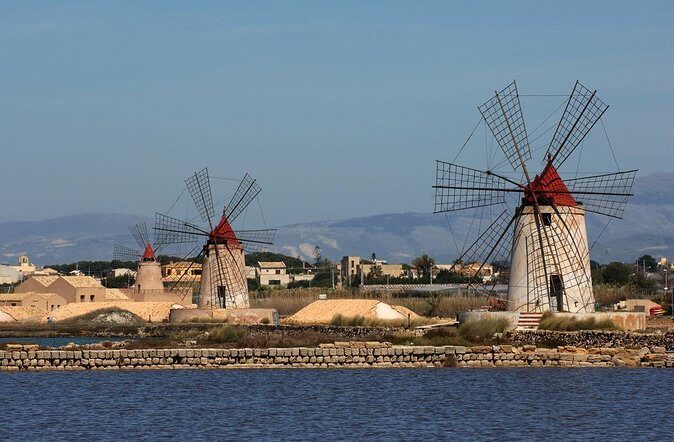
- Stagnone salt pans inside a nature reserve: shallow, very salty lagoon water plus working windmills nearby.
- Mozia (Mothia) archaeology hour: Phoenician ruins and the Whitaker Museum’s famous Young man of Motya—plus practical opening times.
Why this Palermo one-day route makes sense
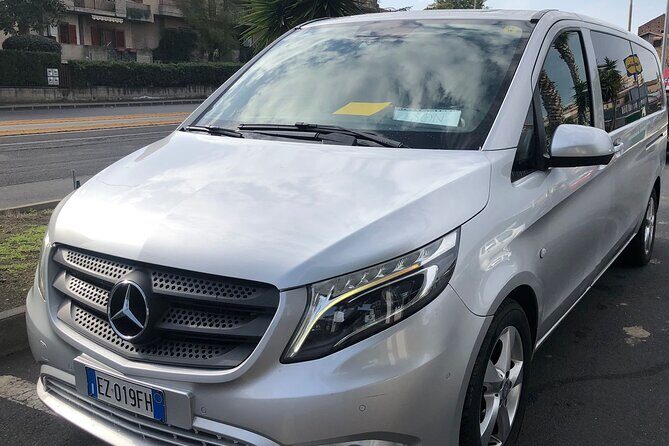
Sicily’s west can feel spread out on a map, but this route is built to solve the problem. Instead of you hopping between bus stations, you ride in a private car from Palermo with a bilingual Italian-English driver and a clean, comfortable vehicle. That matters on a day that’s roughly 8 hours long and includes hills, viewpoints, and a short museum/ruins stop.
You also get a useful rhythm: big sights first (Segesta), then a medieval town (Erice), then the salt-lagoon scenery around Marsala and Mozia. The payoff is variety. You go from Greek stonework to medieval lanes to a working salt landscape, then finish with Phoenician remains on a small island.
If your goal is to see the northwest highlights without losing half the day to logistics, this is exactly the kind of itinerary that works.
Other Erice, Segesta and Salt Pans excursions from Palermo
Segesta Temple: the Doric shock outside the city walls
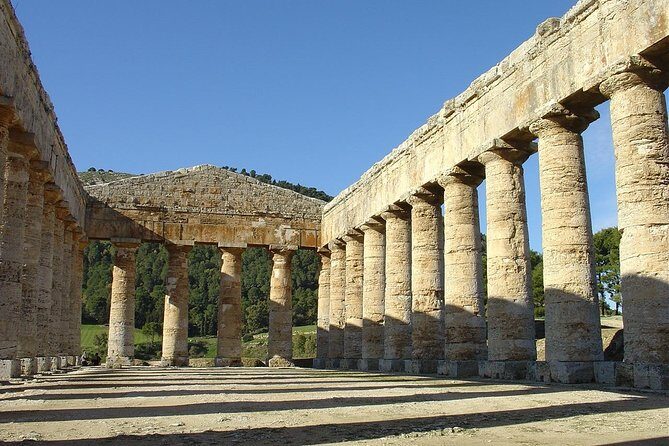
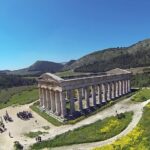
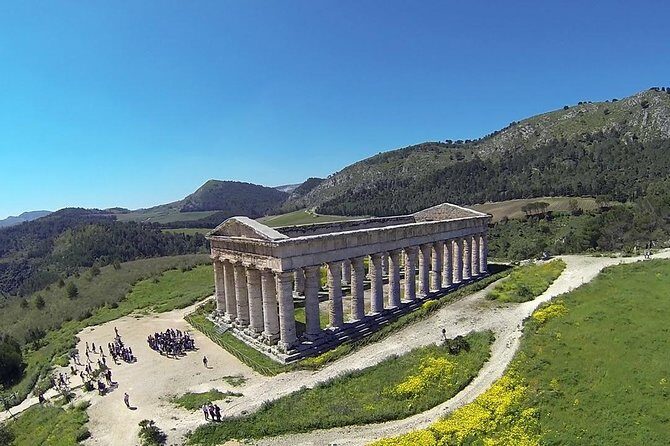
Segesta is one of those places where the setting helps the monument. The Doric Temple sits outside the city walls on a hill, and you really do feel the dramatic approach once you’re up there. It’s not one of those ruins you have to squint at. This one is famous for how well it has survived, and it’s often described as one of the best-preserved Greek temples in the Western world.
A nice detail is the landscape itself. The temple’s position is the point: it dominates a long valley and feels surrounded by cliffs, which is why writer Wolfgang von Goethe singled out the view and placement as surprising when describing it during his Journey to Italy. Even without going deep into ancient history, you can appreciate the design choice immediately—this is architecture meant to be seen from a distance.
Practical tip: wear shoes with grip. The paths and slopes can be uneven, especially if you’re there in warmer months.
Segesta Greek Theater: wide views and a shuttle option
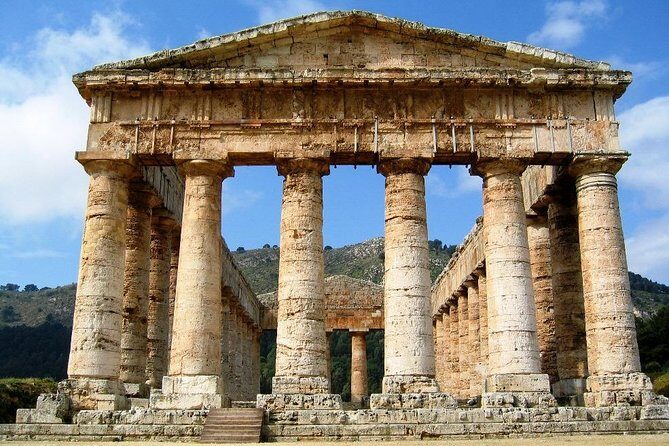
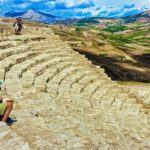
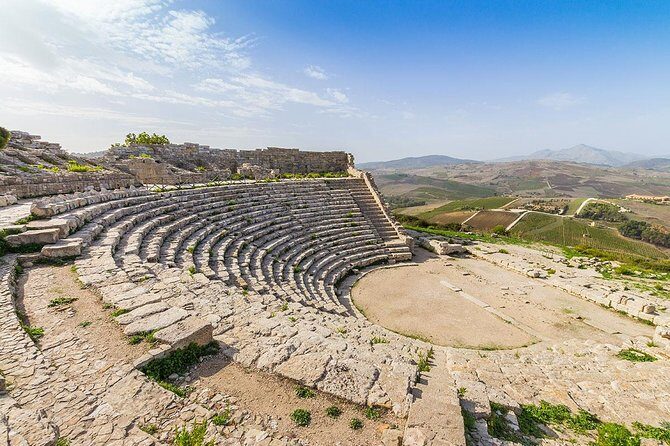
Next comes the Greek Theater of Segesta, tucked on the north side of the acropolis on Monte Barbaro. This is the kind of theater that makes you stop in the middle of walking and just look around. It’s known for its broad panoramic view, and during summer it’s still used for performances and concerts.
Getting there is half the experience. You’ll follow paths through fields or a wider paved road to reach it. The drawback is obvious: it can take longer than it looks on paper, particularly in heat or if you’re short on energy.
Here’s the good part: there’s a shuttle bus service that leaves from the ticket office to the theater entrance. So you can choose. If you want the walk for the views, do it. If you’d rather save your legs for Erice later, use the shuttle and arrive fresh.
Erice medieval lanes and the Castello di Venere viewpoint
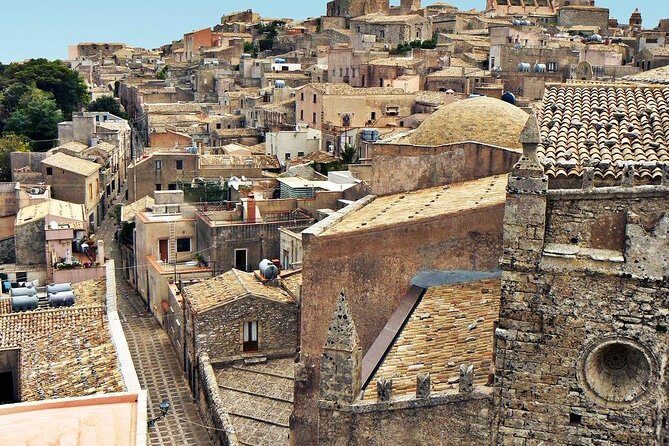
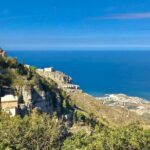
Erice feels like it’s been placed on top of the world. Perched high above the Gulf of Trapani, the town is compact, medieval, and easy to wander: narrow cobbled streets, little courtyards, churches, and plenty of clean mountain air—even when the rest of Sicily is cooking.
You also get a real 360-degree payoff from the altitude. On this kind of day, that’s a gift because it breaks up the more “monument-focused” stops with something more human-scale and stroll-friendly.
What I’d target first in Erice
Start around the streets behind the cathedral. That puts you near the center, where it’s easiest to navigate and where you’ll find a mix of small shops and historic pastry stops.
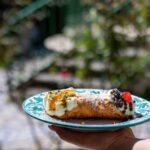
If you like food breaks that feel connected to the town, look out for the historic pastry shop of Maria Grammatico on Via Vittorio Emanuele 14. It’s the kind of place you can treat as a stop, not a mission—grab something sweet, sit for a minute, and keep moving.
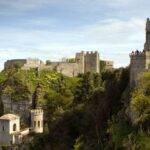
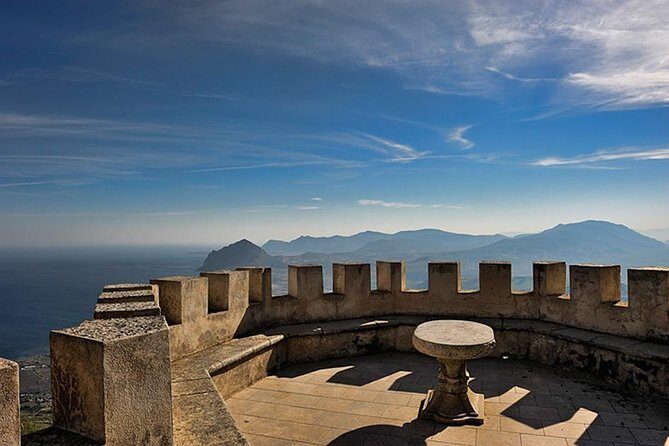
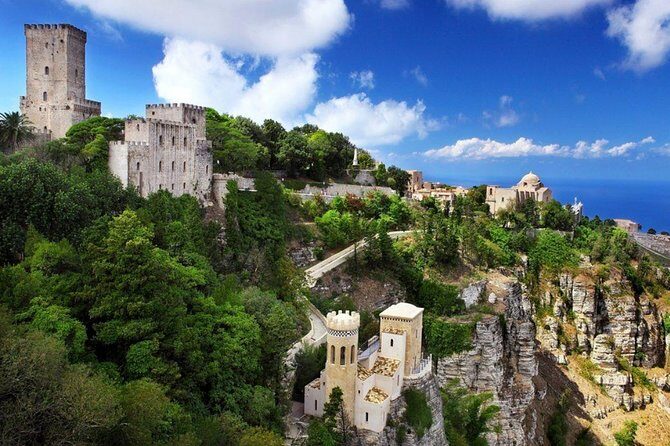
Then aim for the town’s symbol: Castello di Venere (Norman era). It sits right on an overhanging rock and is famous for the spectacular view. Next to it you can also see the Pepoli Towers and the Balìo municipal villa, which help you connect what you’re seeing with the town’s layered past.
Other private and custom tours in Palermo


A seasonal bonus
During summer, the cableway between Trapani and the summit of Erice is in operation. Even if you’re visiting from Palermo by car, it’s a handy detail to know because it signals the town’s easy seasonal access and popularity.
Stagnone salt pans: Marsala’s salt road, windmills, and salty shallows
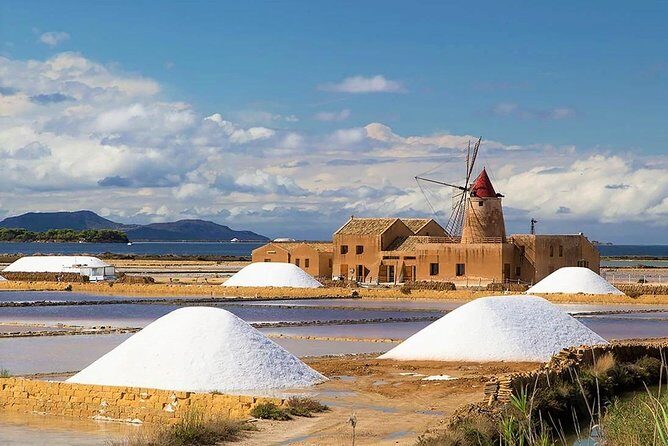
From Erice, you shift to an entirely different kind of Sicilian scenery: the Stagnone area, where the salt pans of Marsala sit inside the nature reserve. This is one of the more visited stops in the province of Trapani, but it’s popular for a reason. It’s not just a pretty photo spot—the salt-lagoon system is active, and the view carries the feeling of a working landscape.
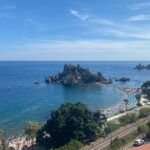
You’ll be oriented to it as part of the famous salt road and the Stagnone Islands Nature Reserve. The coastline here faces the island of Mozia (Mothia), so you get a sense that the island and the water system are connected.
Two details make this stop especially interesting:
- You’ll likely see the windmills typical of the Trapani coast, an example of industrial archaeology still working.
- You’re looking at a shallow, very salty lagoon environment. The lagoon is described as Sicily’s largest (about 2000 hectares), and shallow salty water changes what the place looks like depending on the light.
Good news: admission for the salt pans stop is free, and the timing is usually set so you can take photos without feeling stuck there.
Practical tip: bring a sun hat and sunglasses. Even with breaks between stops, you’re in open-air settings.
Mozia (Mothia) island in one hour: Phoenicians, tides, and the Whitaker Museum
Mozia is where your day snaps into archaeological focus. The island sits in the Stagnone di Marsala archipelago and is a major stop for anyone who wants Phoenician history without traveling far from Palermo.
Expect a true open-air site. You’ll see archaeological remains, and some are submerged due to rising tides. That’s a big clue about why the island matters: the sea isn’t just scenery here—it changes the site itself.
Why Mozia’s story is so dramatic
Mozia was a Phoenician colony founded in the 8th century BC. The name Motya has been linked to spinning mills, tied to factories processing wool.
As Greek colonization spread beginning in the 8th century, conflict sharpened between Greeks and Carthaginians. Mozia grew in importance and became walled for defense. Then in 397 BC, Dionysius the Elder (tyrant of Syracuse) besieged the city and it ended. The inhabitants fled to the mainland at the colony of Lilibeo, known today as Marsala.
The part you’ll probably remember most
Mozia also includes the Whitaker Museum, one of the most important museums in the province of Trapani. The museum’s star find is the marble statue known as the Young man of Motya. The rediscovery story is tied to Giuseppe Whitaker, an English nobleman active in late 19th-century Sicily who began a thriving export trade connected to Marsala wine. The Whitaker home on the island has been transformed into the museum.
Practical hours and ticket cost for Mozia
You’ll be most accurate planning around ticket windows:
- 1 November–31 March: 9:00–15:00 daily
- 1 April–31 October: 9:30–18:30 daily
Admission is €9 for adults, €5 for students and children. (Your tour covers transport and timing, but entry itself is not included.)
Price and value: what your €364.42 buys you
At about $364.42 per person, this is a private tour price, not a group-bus bargain. So the real question is what you’re buying with that money.
Here’s what’s included:
- bilingual Italian-English driver
- pickup from your hotel or address (or the port area, where you’re going from)
- private transportation (your car is just for your group)
- bottled water
- child seats on request
- mobile ticket
What’s not included is where many visitors need to be ready with extra cash: entrance fees. The tour notes entrance fees of €17 per person are not included, and the tour stops clearly include sites with admission not included (Segesta temple, Segesta theater, and Mozia).
The “value math” works best if you compare it to the cost of doing this route on your own with multiple tickets, plus the time penalty of finding transport between towns. Erice and the salt pans stop are free, so your paid entry money tends to concentrate around the archaeology and major monuments.
Also, private transportation adds a very practical advantage: you can adjust your walking strategy. One review specifically highlighted a good downhill plan—your car drops you near the top, then waits while you move down—so you spend your energy on the viewing parts, not constant parking-and-walking.
Pacing, comfort, and the human touch from the drivers
In Sicily, the driver often makes or breaks a day like this. This one gets strong praise for punctuality and smooth, careful driving. Names that show up include Giuseppe, Mimmo, Marcello, and Fabrizio—with compliments for being pleasant, considerate, and good at sharing context while you travel.
One of my favorite “small” inclusions on paper is bottled water, because it turns into a big deal when you’re moving all day. Some reviews also mention cold water on demand, which is the kind of extra that helps on hot afternoons.
What really stands out in the feedback is the lack of rushing. People describe having enough time at each stop to take photos, look around, and still keep the whole itinerary on track. There’s also mention of flexibility—adjusting timing within the available window—plus restaurant and local tips offered by the driver.
If you’re going to put your effort into one thing when booking, make it this: communicate your pace preferences up front. This tour clearly works best when you and your driver align on what you want—more walking at viewpoints, fewer detours, or specific photo time.
Who should book this private Palermo tour
I think this tour fits best if you:
- want maximum sights in one day without self-driving
- like a mix of ancient ruins, medieval towns, and working salt-lagoon scenery
- have limited time in Palermo and want to see more of the northwest
- prefer comfort and pickup/dropoff over doing multiple independent transfers
It’s also a good option if you’re visiting with kids, since child seats are available on request. And the itinerary notes that most travelers can participate, which usually means the walking is manageable but still real—especially at hilltop sites like Segesta and Erice.
If you’re the type who wants to spend half a day in one museum or who hates walking on uneven ground, you might feel the schedule is packed for an 8-hour day. For those travelers, a slower, single-region plan could feel more relaxing.
Book it or skip it? My practical advice
Book it if your priority is a one-day highlight reel with logistics taken care of: Segesta + Erice + Stagnone salt pans + Mozia is a strong mix, and the private car makes the whole day feel doable.
Consider skipping or swapping if admission fees will stress your budget or if you hate rushing through multiple towns in one visit. You’ll likely be handling several separate tickets (Segesta and Mozia, at minimum), and Mozia’s €9 adult entry is a reminder that the “free” scenic stops don’t cover everything.
FAQ
Where does the tour pick up in Palermo?
Pickup is offered from any hotel or address in Palermo, and the tour also mentions pickup/return from the port area.
Is this tour private or shared?
It’s a private tour/activity. Only your group participates.
Is the driver the guide?
A tourist guide is not included. The included driver is bilingual (Italian-English).
How long is the tour?
The duration is about 8 hours.
Are entrance fees included?
No. Entrance fees are not included (listed as €17 per person). Also, tickets for specific sites like Segesta’s temple and theater, and Mozia, are noted as not included.
How much is the ticket for Mozia (Mothia)?
Mozia admission is €9 for adults and €5 for students and children.
What hours is Mozia open?
Mozia opening hours are:
- 1 November–31 March: 9:00–15:00
- 1 April–31 October: 9:30–18:30
What’s included for comfort during the day?
Included items include bottled water, private transportation, and child seats on request.
Can I cancel for a full refund?
Yes. You can cancel up to 24 hours in advance for a full refund.
If you tell me your travel month and whether you prefer more time in Erice versus more time on Mozia, I can suggest how to prioritize your walking and photo breaks within this 8-hour plan.