REVIEW · PALERMO
Palermo: Botanical Garden Entry Ticket and Palermo Audio App
Book on GetYourGuide →Operated by GetYourGuide Tours & Tickets GmbH · Bookable on GetYourGuide
Stroll into Sicily’s quiet plant sanctuary. This Palermo Botanical Gardens entry ticket is a self-paced way to see 12,000 plant species in a seaside University of Palermo green space.
I especially like the sheer variety: Mediterranean, tropical, and subtropical collections that actually thrive here. I also love the mix of nature and art, from the historical statues and bas-reliefs that break up the walk.
One thing to consider: this ticket doesn’t include a guided tour, so your understanding will come from the digital audio guide and your own curiosity.
In This Review
- Key things you should notice
- Palermo Botanical Gardens: what this ticket gives you
- Where the experience starts (and how to pace it)
- The living collections: succulents, palms, cycads, and more
- The garden as an open-air museum: statues and bas-reliefs
- Palermo by sea: why the setting feels special
- Value for money: is $12 a good deal?
- Best for who: plant lovers, slow travelers, and art-and-nature fans
- Practical tips that make the visit smoother
- Planning your day around the audio guide of Palermo City
- Should you book this Palermo Botanical Gardens ticket?
- FAQ
- How much does the Palermo Botanical Gardens entry ticket cost?
- How long is the ticket valid?
- What’s included in the experience?
- What’s not included?
- Where do I meet, and where does it end?
- Is it wheelchair accessible, and are pets allowed?
Key things you should notice

- 12,000 plant species on 10 hectares, founded in 1789
- Mediterranean, tropical, and subtropical living collections in Palermo’s climate
- Succulents, palms, and cycads, including plants that can look surprisingly large
- Statues and bas-reliefs that turn the garden into an open-air museum
- Digital audio for Palermo City, on top of your self-guided garden visit
Palermo Botanical Gardens: what this ticket gives you
This experience is an entry ticket to the Botanical Gardens of the University of Palermo, an outdoor museum that feels calmer than many big-city sights. You get access to the garden’s plant collections, plus a digital audio guide of Palermo City to use during your visit (or time it around sightseeing later).
The garden’s scale matters. It covers 10 hectares and includes around 12,000 plant species, so you’re not just ticking off a few paths. You’ll be walking through living collections designed for study and display, which changes how you experience it. Instead of a single highlight, the whole place works like a slow, evolving exhibit.
One practical plus: you don’t need to book a specific theme tour. You’re free to wander through the collections at your own rhythm, which is ideal when Palermo weather, energy levels, or photo stops change your pace.
A few more Palermo tours and experiences worth a look
Where the experience starts (and how to pace it)
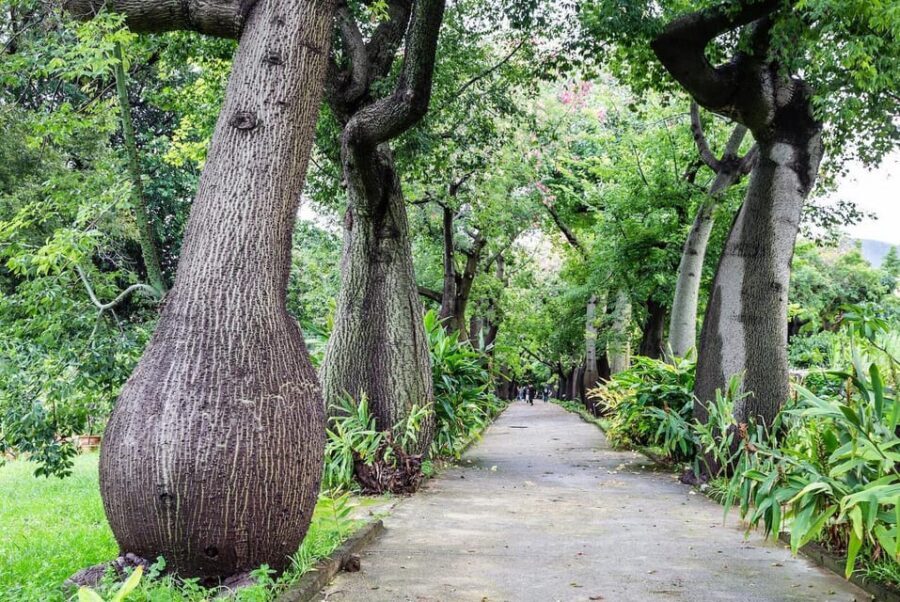
You start at the garden’s main entrance, then your visit ends back at that same meeting point. That simplicity is underrated. There’s no complex route you have to follow, and you can adjust on the fly.
Because your ticket is valid for 1 day (you’ll check available starting times), I’d plan it like a half-day to full-day stroll, not a rushed stop. With 12,000 species spread across 10 hectares, you’ll get more out of it if you let yourself move slowly. Comfortable shoes aren’t optional here; the garden walk is the whole point.
Also note this: you’re exploring without a provided guide. That means you’ll want to pay attention to how the collections are grouped, and use the audio guide when you want context. If you’re the type who likes plant names, historical features, and explanations, this format works well. If you prefer a lecturer-style walk, you may find it a bit more self-directed than you like.
The living collections: succulents, palms, cycads, and more

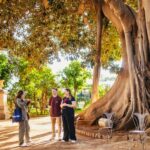
The garden is organized around collections that reflect different climates and plant types. You’ll see Mediterranean, tropical, and subtropical plants, all supported by Palermo’s favorable climate. That part is important: it’s not just a concept on paper. You’re walking among plants that are being grown to survive and thrive in this specific setting.
As you wander, expect sections featuring succulents, palms, and cycads. These are often the easiest groups to spot because their shapes and textures are so distinct. Even without a guide, you can learn a lot just by looking: leaf structure, growth forms, and the way larger specimens change the scale of the garden paths.
Here’s the value of this approach. Botanical gardens work best when you treat them like outdoor classrooms. The plants aren’t just decorative. They’re living references for adaptation and geography. And when the garden includes both exotic and regional flora, it encourages you to notice what looks familiar and what doesn’t.
If you’re traveling with kids or you simply want something relaxing, this is also a “choose your pace” kind of attraction. You can skim one collection and linger in another. No pressure to keep up with a schedule.
The garden as an open-air museum: statues and bas-reliefs
One of the most memorable parts of the visit is the way the historical statues and bas-reliefs are woven into the walking experience. It’s not only about plants. The artistic features make the garden feel like a curated space with layers.
This matters because it changes the tone. Nature can become repetitive if everything is just greenery, but statues and carved details give your eyes a reason to pause. They also help you understand the gardens as more than “a nice park.” The garden is described as an open-air museum and it was founded in 1789, which gives the place a sense of continuity.
Look for these features as you move through the paths. If you’re someone who likes to connect art and place, the combination works nicely: the garden’s design gives you a steady flow of both living specimens and human-made details.
Palermo by sea: why the setting feels special
A big part of the atmosphere is the garden’s location. It sits near the sea, and it’s close to Villa Giulia, a public garden dating back to the 18th century. Even if you don’t plan an extra stop, knowing that you’re adjacent to another green space changes how you plan your day.
Palermo’s favorable climate is already mentioned as a key reason the collections can include tropical and subtropical plants. In practical terms, that means you’ll often find the garden enjoyable beyond just a single-hour “get in and get out.” It’s a setting built for lingering.
If you have the time, you can treat this as part of a larger green-day circuit. Do the botanical gardens first, then continue with nearby park wandering at your own pace. The audio guide of Palermo City can also be useful if you want some background without forcing yourself into a guided format.
A few more Palermo tours and experiences worth a look


Value for money: is $12 a good deal?
The price is $12 per person, and the real question is what you get for that money.
For that amount, you receive:
- Entry to the Botanical Gardens
- Access to all plant collections
- A digital audio guide of Palermo City
That’s why the value feels strong. You’re paying for a full-access experience across a large 10-hectare site with around 12,000 plant species. A lot of attractions charge more for a smaller footprint or for a timed, limited viewing window. Here, your cost buys space and time to wander.
The audio guide is the extra lever. It doesn’t replace a guide in the sense of answering questions on the spot, but it gives you a way to add context while you move. If you like self-guided sightseeing that still feels grounded, that inclusion helps.
The main “value trade-off” is also clear: there’s no guided tour included. If you love deep explanations from a person, you may feel like the ticket could be better with a guide. But if you enjoy learning as you go, this is a smart, budget-friendly way to spend a slow day.
Best for who: plant lovers, slow travelers, and art-and-nature fans
This is a great fit if you want calm and variety in one place. The best match is someone who enjoys:
- walking at their own speed,
- looking closely at plant shapes and collections,
- and spotting the statues and bas-reliefs as part of the scenery.
It’s also a good option for travelers who don’t want to commit to a guided program. Since the ticket includes access and an audio tool, you can shape the visit around your mood.
If you’re short on time in Palermo and you’re trying to choose one “green” stop, you might find this especially worthwhile because it combines a large garden collection with historical artistic elements. It’s not just a place to rest your feet. You’ll have a real reason to slow down.
On the flip side, if you’re the type who wants a lecture-style experience, you might feel a little under-supported. Without a guide, you’ll need to be proactive with the audio and your own questions.
Practical tips that make the visit smoother
A few details can save you time and stress.
Wear comfortable shoes. The garden is large enough that your feet will notice if you show up in sandals or worn-out sneakers.
Plan for a no-photo rule with flash. Flash photography isn’t allowed, and the garden also says no pets and no smoking (including indoor smoking). If you’re traveling with a camera, use regular light and be mindful about rules near artworks.
Think about group size if you’re coordinating. The info says group visits without a guide may not exceed 15 people. That’s mainly relevant if you’re bringing a group yourself, but it can also explain why the experience can feel orderly.
Use the audio guide strategically. You don’t have to listen start-to-finish. If there’s a part of the garden you’re especially drawn to—plants, historical elements, or Palermo context—use the audio when it helps you understand what you’re seeing.
Planning your day around the audio guide of Palermo City
This ticket includes a digital audio guide of Palermo City, and that can help you tie the botanical gardens to the wider trip. Since you’re already in a part of town near other green spaces, you can use audio before or after the garden to connect the experience to the city.
Keep your expectations realistic. The audio guide supports self-guided learning, but it’s not a person. If you want answers that depend on the exact plant or artwork you’re looking at, you’ll need to read signs and use your own questions.
Still, as a companion tool for a calm day of walking, it’s a smart add-on. It helps you feel like the visit is more than just strolling.
Should you book this Palermo Botanical Gardens ticket?
Yes, if you want a self-guided garden visit with strong value and you’re happy to explore at your own pace. The combination of a large, plant-heavy setting (around 12,000 species) plus statues and bas-reliefs makes it more interesting than a basic park stop.
I’d skip it (or pair it with something else) if you strongly prefer a live guide. This experience is clearly designed for independent discovery, with the audio guide doing the interpretive work.
If you’re coming to Palermo for a mix of nature and culture—and you don’t mind walking on comfortable shoes—this is a solid way to spend part of your day.
FAQ
How much does the Palermo Botanical Gardens entry ticket cost?
The ticket costs $12 per person.
How long is the ticket valid?
It’s valid for 1 day. You’ll need to check availability to see starting times.
What’s included in the experience?
You get entry to the Botanical Gardens, access to all plant collections, and a digital audio guide of Palermo City.
What’s not included?
A guided tour, meals and beverages, and personal expenses are not included.
Where do I meet, and where does it end?
Go to the garden’s main entrance to start. The activity ends back at the meeting point.
Is it wheelchair accessible, and are pets allowed?
Yes, it is wheelchair accessible. Pets are not allowed.