REVIEW · PALERMO
Palermo: alla scoperta dei suoi monumenti, storie e mercati
Book on GetYourGuide →Operated by Antonella · Bookable on GetYourGuide
Palermo feels like a movie set. This 3-hour walk strings together Teatro Massimo and the Palermo Cathedral with stories drawn from films, novels, TV, and real-life power plays. I especially like how the guide turns big-name monuments into something you can understand fast, not just photograph.
Two things I’m drawn to: the stop-and-taste energy in Mercato del Capo and the way the guide connects architecture to people—kings, artists, and the shadow world of the mafia. One drawback to plan for: the tour is Italian only, so you’ll want to feel comfortable following Italian narration (or you may miss some of the jokes and details).
In This Review
- Key things to notice before you go
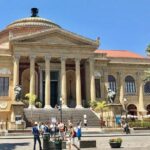
- Teatro Massimo: where Palermo’s big-stage energy starts
- Opera dei Pupi: UNESCO storytelling in plain sight
- Palermo Cathedral (free entry): a building with multiple identities
- Mercato del Capo: Arab-origin streets and street-food breaks
- Cassaro: the oldest street and the easiest way to read history
- Quattro Canti and Piazza Bellini: the film-set center
- Piazza Pretoria and the Fountain of Shame: history with a wink
- How the guide tells Palermo (and why it matters)
- Price and value: what $41 buys you
- Quick logistics: timing, meeting point, and what to wear
- Who should book this tour?
- Should you book this Palermo walking tour?
- FAQ
- How long is the tour?
- What does the tour cost?
- Is the tour guided, and what language is it in?
- Where does the tour meet?
- Is the Cathedral entrance fee included?
- Are food and drinks included?
- Do I need modest clothing?
- Is the tour wheelchair accessible?
- Is it okay to cancel last minute?
- Are there different start times?
Key things to notice before you go
- Teatro Massimo: Belle Époque drama, plus the historic Florio family connection
- UNESCO sightlines: Opera dei Pupi stop and then the Cathedral with multiple architectural layers
- Cathedral timing and dress: free entry, but you’ll need modest clothing
- Mercato del Capo street-food break: Arab-origin atmosphere with fish-restaurant energy nearby
- Cassaro on foot: the oldest main street, packed with landmarks as you walk
- Piazza Pretoria finish: the Fountain of Shame and a look toward the Ballarò and Vucciria markets
Teatro Massimo: where Palermo’s big-stage energy starts
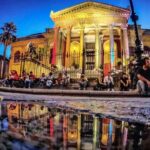
I like starting a city walk with a landmark that tells you the rules of the place. Here that’s Teatro Massimo, the largest theater in Italy, tied to Palermo’s 19th-century rise and the historic Florio family. Even if you’re not a theater person, you’ll get why this building matters: it’s power made visible, with the kind of style that only money and ambition can afford.
The guide also sets the tone for how they’ll talk about Palermo all morning/afternoon: not just facts, but stories you can recognize when you later see references in movies and books. It’s an efficient way to get your bearings fast.
Other walking tours we've reviewed in Palermo

Opera dei Pupi: UNESCO storytelling in plain sight
Right after, you pass by the most famous Sicilian Opera dei Pupi theater. This matters because it’s not only entertainment—it’s a cultural language. The UNESCO connection gives you a reason to slow down for a second and pay attention to what you usually walk past.
This is one of those stops where the value comes from context. You don’t need a long visit; you need a guide who can explain what makes the tradition distinct, and why it still shows up around Palermo’s streets and imagination.
Palermo Cathedral (free entry): a building with multiple identities
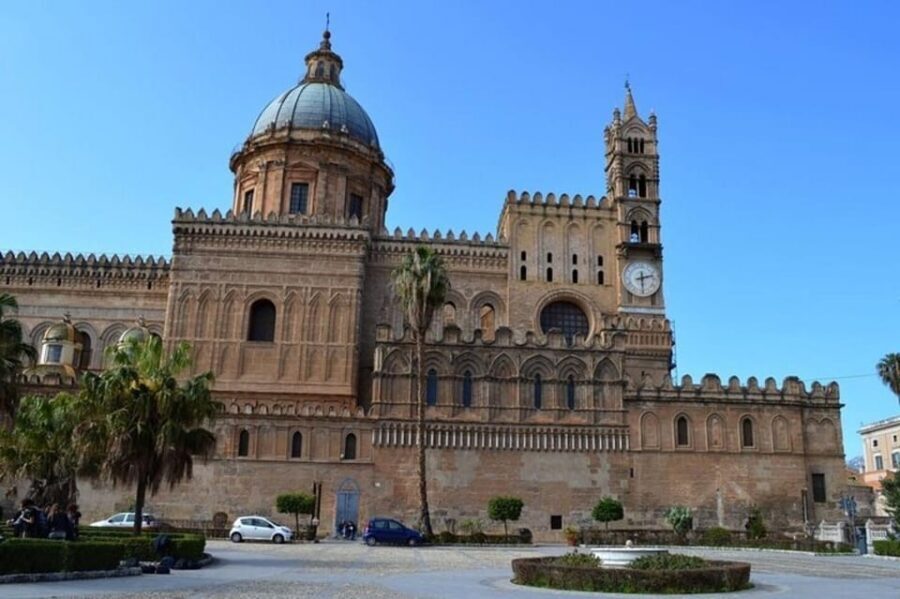
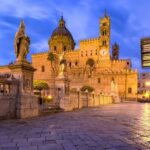
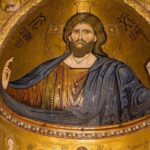
Then you reach the Palermo Cathedral, also UNESCO-listed. The key idea is that it didn’t grow up in a single style. You’ll see a mix of architectural influences, reflecting Sicily’s complex, multi-ethnic history.
Two details help this cathedral land in your mind:
- It’s connected to the first king of Sicily being crowned in 1130.
- It’s linked to Frederick II, including his tomb.
And yes, it’s free to enter, which is a nice perk when you’re trying to stretch value. Just don’t treat the cathedral like a casual photo stop. The tour notes that you need modest clothing, so if you’re wearing shorts or a low-cut top, plan a quick fix before you arrive.
Mercato del Capo: Arab-origin streets and street-food breaks
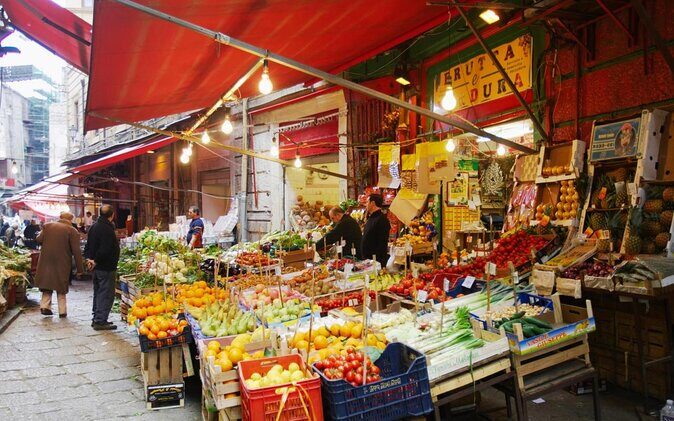
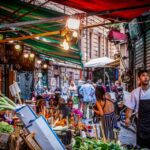
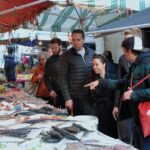
If you want Palermo to feel like Palermo, this is the section where the city “talks back” to you. The tour moves to Mercato del Capo, an ancient market with Arab origin roots. The vibe here is different from the grand buildings: it’s about daily life, noise, and quick decisions—where to eat, where to listen, and what to try next.
Nearby you’ll find plenty of fish-restaurant energy, which makes sense when you learn how Palermo’s coastal setting shaped eating habits. The tour includes a short stop so you can taste classic Palermo street food, described as among the best in the world. Even if you only sample one item, this is a smart choice because it’s not a random “snack break.” The guide ties the food to place and tradition.
Practical note: since food and drinks aren’t included, you’ll want a bit of cash or a card ready. Decide in advance if you’re doing one taste or building a mini meal.
Cassaro: the oldest street and the easiest way to read history
Next comes the Cassaro, described as the oldest street in Palermo. This section is a great reminder that “history” isn’t locked behind museum walls. You walk through it.
As you move along Cassaro, you’ll pass historical spots with real importance—basically the city’s long memory in a straight line. The benefit of doing it on foot with a guide is that you won’t just see old buildings. You’ll understand why they’re here and what role they played as Palermo changed hands, cultures mixed, and wealth shifted.
And because it’s a walking route through the center, it’s also where you start noticing the little patterns that make a city feel lived-in: street-level commerce, church domes, and the way people use the sidewalks like a shared room.
Quattro Canti and Piazza Bellini: the film-set center
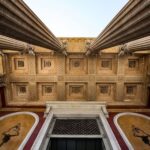
Then you arrive at Quattro Canti, the center of historic Palermo. The square’s beauty is strong enough that it often appears as a film set, which tells you something useful: this isn’t just scenery. It’s a designed crossroads, built to impress.
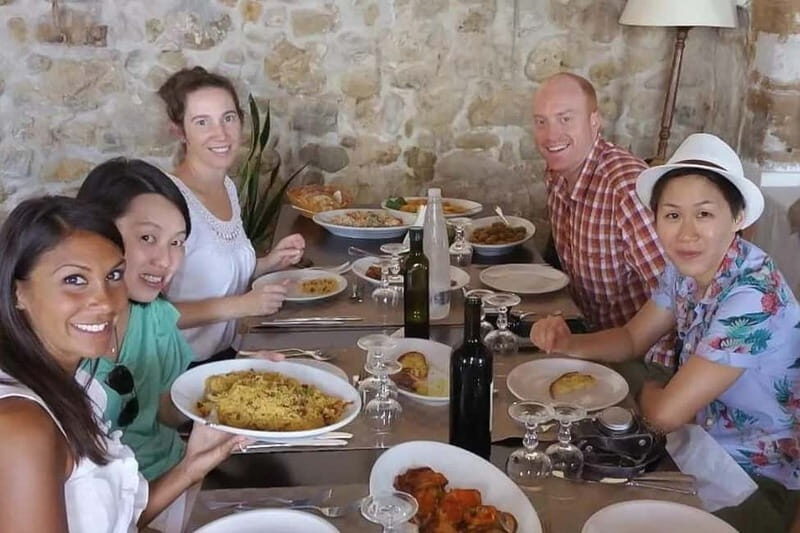
After that, the tour heads to Piazza Bellini. This is where the trip shifts from monuments to taste—specifically coffee. The guide includes time to stop for an excellent coffee, noted as among the best in the world, and to try sweets connected to the nuns of Santa Caterina.
What I like here is the pacing. Instead of rushing from one highlight to another, you get a human break—sit for a moment, look around, and taste something that local tradition has kept going.
Piazza Pretoria and the Fountain of Shame: history with a wink
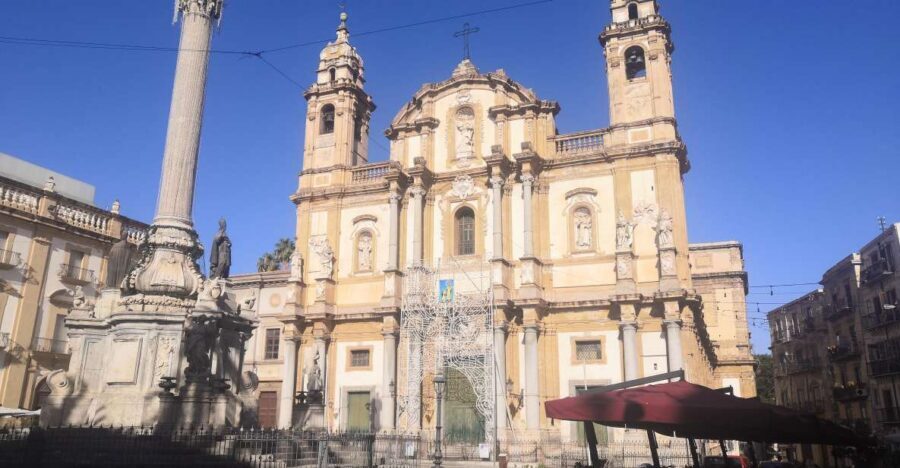
The tour finishes at Piazza Pretoria, near the markets of Ballarò and Vucciria. This area works well as a grand ending because it connects architecture to the real city rhythm around it.
You’ll admire the Fountain of Shame, and you’ll also see the monasteries, churches, and palaces that shape the look of Palermo’s center. The fountain is famous enough to be recognizable in photos, but the value of seeing it on this walk is the way the guide frames what it symbolizes and how it fits into Palermo’s story of power and taste.
Ending near Ballarò and Vucciria also gives you a practical advantage: once the tour is over, you’re already in the area where you can keep exploring on your own. Markets are where you catch the city’s everyday texture.
How the guide tells Palermo (and why it matters)
A standout part of this experience is the storytelling style. The tour highlights that the guide tells Palermo through films, novels, and TV series, then folds in legends, mysteries, miracles, heroes, and the mafia.
I think that’s more than entertainment. When a city has layers—and Palermo definitely does—most visitors get stuck with names and dates. A good guide helps you link those facts to characters and themes. That’s exactly what you’re paying for: not just movement through landmarks, but meaning you can carry.
The guide experience also shows in the feedback you can find for this tour. Antonella comes through as passionate and thorough, with an eye for hidden significance behind landmarks. Fabrizio is described as especially competent and attentive, with lots of useful eating tips—like suggestions for the best cannoli and gelato. Either way, you’re not just getting a script. You’re getting a point of view that helps you enjoy the city instead of memorizing it.
Price and value: what $41 buys you
At $41 per person for a 3-hour guided walking tour, the value comes from three things working together:
- You get a guided route through major sights (including UNESCO-listed stops).
- You get food time built into the market visit, even though food itself isn’t included.
- You get context: the city’s stories, not just its buildings.
If you plan to do Palermo “solo,” you can certainly piece together monuments on your own. But it usually takes more time and research to get the same connections. This tour compresses that learning into a half-day stroll, so you end up with better understanding and less guesswork.
Also, cathedral entry being free is a small but meaningful win. You’re not paying extra just to see one of the highlights.
Quick logistics: timing, meeting point, and what to wear
This is a 3-hour walking tour in the center of Palermo. The route is practical for most people because it’s built around clusters: Teatro Massimo, the Cathedral area, then through the main streets and squares down toward Piazza Pretoria.
Meeting point: in front of the Banca d’Italia, with the guide holding a card that says Guida Turistica. That detail saves hassle when you arrive and want to find your group quickly.
Two more things that affect your comfort:
- Language: the tour is in Italian only, so plan accordingly.
- Dress: modest clothing is required for entering the Cathedral.
And yes, wheelchair accessibility is mentioned, so it’s designed with mobility needs in mind.
Who should book this tour?
This is a smart pick if you want:
- A short, structured way to see the most famous Palermo monuments without turning it into a checklist.
- Market time with street-food tasting instead of only churches and palaces.
- A guide who explains why places matter, including the way Palermo shows up in culture and crime stories.
It’s also a good option for first-time visitors who are staying for a limited time and want a strong foundation. If you’re comfortable following Italian, the experience becomes much more enjoyable.
Should you book this Palermo walking tour?
I’d book it if you want a focused half-day that mixes UNESCO sights, a real market stop, and story-driven explanations. The route is set up so you see the big names (Teatro Massimo, Cathedral, Quattro Canti, Piazza Pretoria) while also tasting daily life in Mercato del Capo.
Skip it or think twice if Italian narration is a barrier for you, because the tour is explicitly Italian only and the best parts are often in the details the guide shares.
If you do book, wear something that works for cathedral entry, bring a bit of spending money for food you’ll choose in the markets, and go with a curious mindset. Palermo is the kind of city that rewards attention.
FAQ
How long is the tour?
The tour lasts about 3 hours.
What does the tour cost?
The price is $41 per person.
Is the tour guided, and what language is it in?
Yes, it’s a guided walking tour with a professional guide. It’s in Italian only.
Where does the tour meet?
The meeting point is in front of the Banca d’Italia. The guide will have a card that says Guida Turistica.
Is the Cathedral entrance fee included?
Entrance fees are not included. The Cathedral entrance is free, and you can enter as part of the experience.
Are food and drinks included?
Food and drinks are not included. You’ll have a chance to taste street food during the market stop, but you’ll pay separately for what you choose.
Do I need modest clothing?
Yes. Modest clothing is required to enter the Cathedral.
Is the tour wheelchair accessible?
Yes, wheelchair accessibility is listed.
Is it okay to cancel last minute?
You can cancel up to 24 hours in advance for a full refund.
Are there different start times?
Starting times depend on availability. The duration stays around 3 hours.