REVIEW · PALERMO
Napoli tour: alla scoperta del centro storico
Book on GetYourGuide →Operated by Palermo a Piedi - Walking Tour · Bookable on GetYourGuide
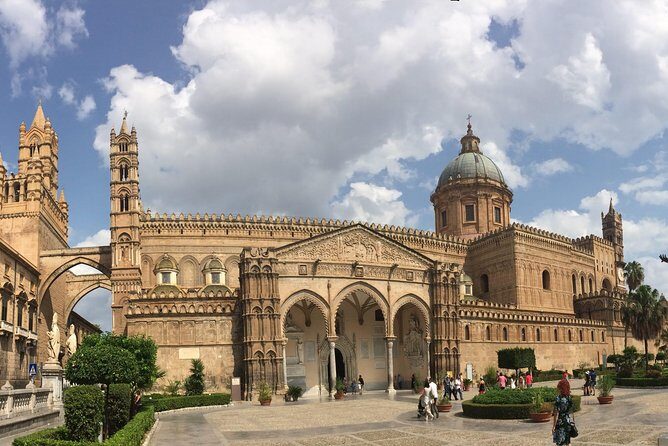
Naples turns spooky and sacred in three hours. You walk the historic center like it’s a living storybook, hopping from legends and baroque churches to the Duomo and a proper local coffee finish. It’s a 3-hour pass through UNESCO-listed streets where art and folklore share the same cracks in the pavement.
I like the way the guide links legends to real corners, from the church said to house Count Dracula’s tomb to the alley story tied to Caravaggio. I also like the classic backbone of the walk, with Spaccanapoli and the Duomo built right into the route.
One big consideration: the tour is Italian only, so if you don’t follow Italian easily, the myths and art context will be much harder to enjoy.
In This Review
- Key highlights worth your time
- Piazza Borsa meet-up: how to start without stress
- Why 3 hours feels just right in Naples’ historic center
- Dracula’s tomb to Caravaggio’s alley: legends as your map
- Pino Daniele’s childhood home: where music meets street life
- Spaccanapoli and Santa Chiara: the city’s ancient spine
- Gesù Nuovo and Piazza Bellini: baroque drama and modern energy
- San Domenico Maggiore: the saint-and-scholar stop
- San Gregorio Armeno Presepi: the nativity street that never tires
- Banksy mural: when modern street art walks beside ancient churches
- San Lorenzo Maggiore and the idea of a buried city
- Sansevero Chapel and the Veiled Christ area: what’s included vs extra
- San Paolo Maggiore: Roman ruins reused into something new
- Via Duomo and the Royal Chapel of San Gennaro: the finish that hits
- Coffee and sfogliatella: a proper Naples ending (at your cost)
- Price and value: is $35 for 3 hours worth it?
- Practical tips so you enjoy every stop
- Should you book this Napoli tour alla scoperta del centro storico?
- FAQ
- Is the tour in Italian or other languages?
- How long is the Napoli centro storico walking tour?
- Where do we meet the guide?
- What is included in the tour?
- Are museum entrance fees included?
- Are food and drinks included?
- Can I cancel for a full refund?
- What happens if the weather is bad?
- Can I reserve first and pay later?
Key highlights worth your time
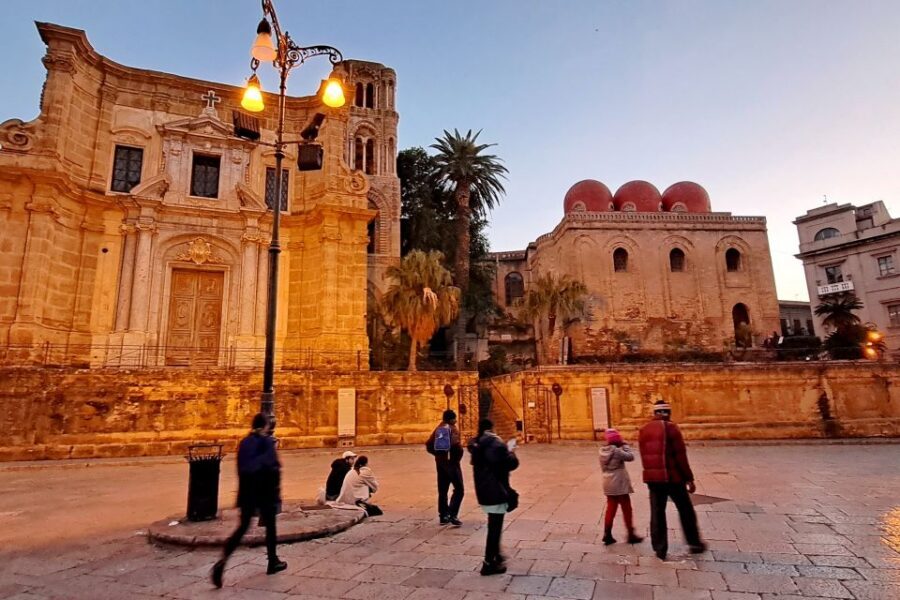
- UNESCO historic center on foot: you cover the heart of Naples with an expert guide
- Legend-led route: Dracula’s tomb, a Caravaggio duel story, and the childhood home of Pino Daniele
- Spaccanapoli and baroque stops: Santa Chiara’s Bourbon tombs and the Church of Gesù Nuovo
- San Gregorio Armeno Presepi: famous nativity-scene street energy
- Banksy mural visit: an art stop you may not expect in a historical walking tour
- Duomo interior and San Gennaro’s Royal Chapel: the treasured center of city devotion, finished with Neapolitan coffee and sfogliatella
Piazza Borsa meet-up: how to start without stress
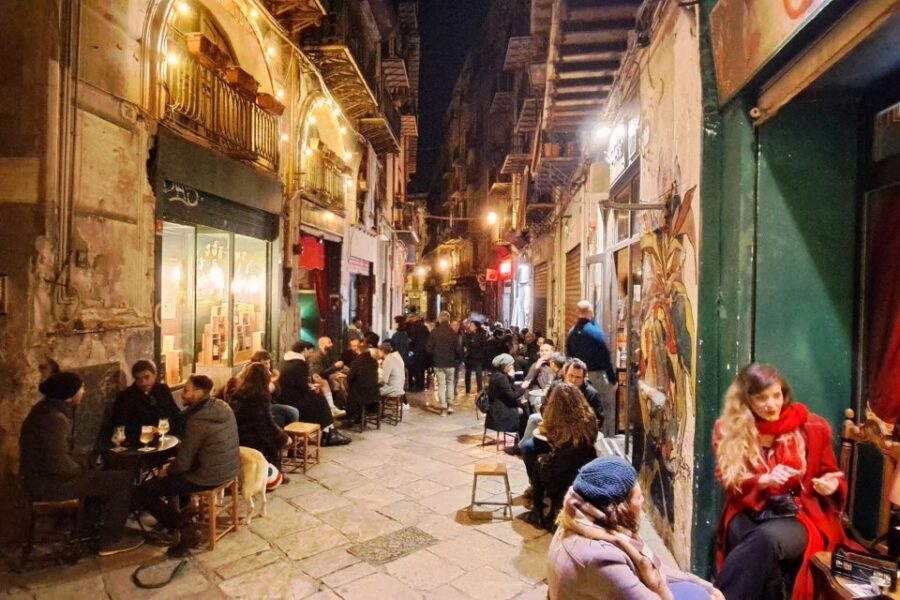
The tour starts at the main gate of Palazzo della Borsa, in Piazza Borsa (Piazza Bovio). The guide wears a red tag that says tour guide, so you can spot them fast and get moving.
This matters more than it sounds. Naples streets reward early momentum. If you waste time finding the group, you lose the good part: the slow unveiling of stories as you walk.
If you're still narrowing it down, here are other tours in Palermo we've reviewed.


Why 3 hours feels just right in Naples’ historic center
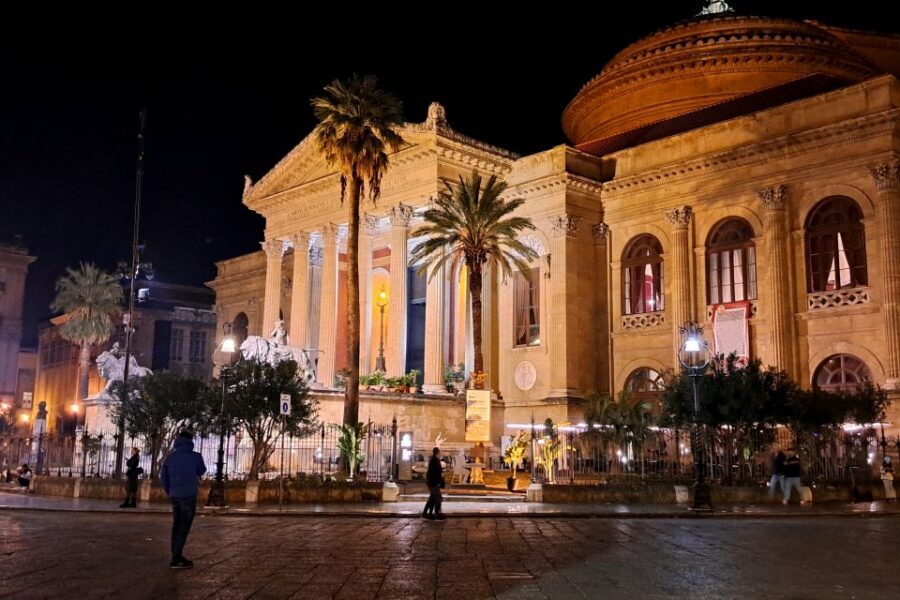
This is a tight walk: 3 hours through the UNESCO historic center, with stops that mix big landmarks and smaller corners. The route is designed so you don’t just see places, you understand how Naples thinks—through faith, art, and rumor.
You’ll also get a real sense of how the city layers time. A Roman foundation here. A medieval church there. Then a baroque interior that feels like theater. In Naples, that layering isn’t a concept. You can see it.
Dracula’s tomb to Caravaggio’s alley: legends as your map
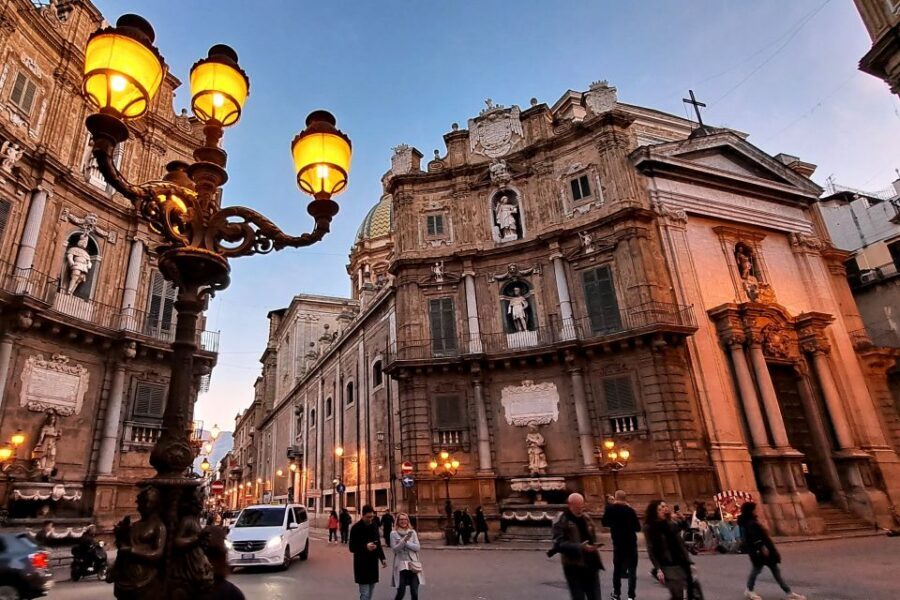
One of the most entertaining ways to experience Naples is to treat its legends like a navigation tool. Early on, you’re guided toward the church said to house Count Dracula’s tomb. Even if you take the story with a grain of salt, it changes how you look at the building.
Then the route pivots to Caravaggio. You’ll hear the story of the painter nearly wounded to death in a notorious duel, tied to a specific alley outside a famous inn. This is the kind of detail you’d miss alone, because you’d walk past without knowing why it’s worth pausing.
If you like art history but also like being entertained, this section is the reason the tour exists.
Pino Daniele’s childhood home: where music meets street life
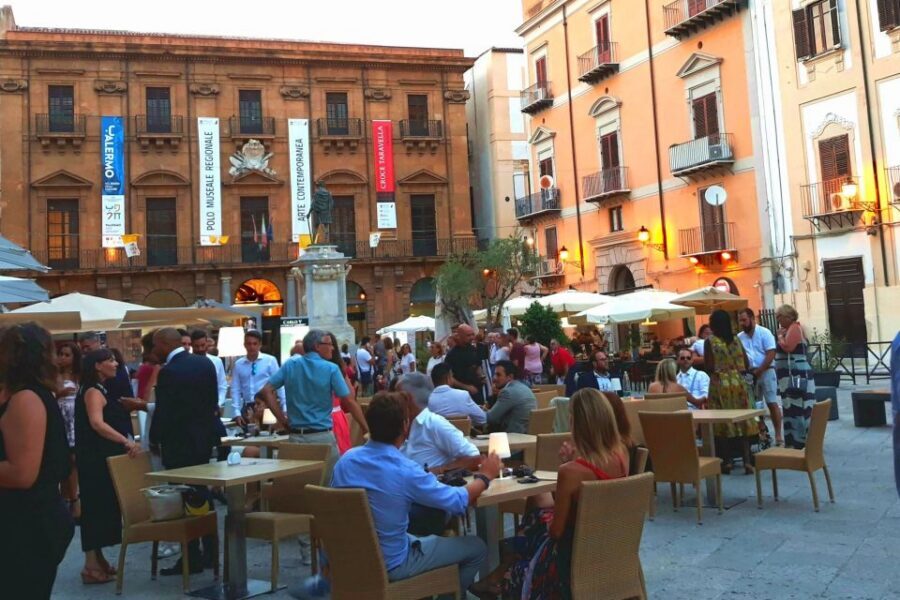
A short step away, the walk turns more personal and distinctly Neapolitan. You’ll visit the childhood home of Pino Daniele, the musician whose presence still hangs in the air around Naples.
This stop is useful because it keeps the tour from becoming only monuments and museum faces. Naples is also voice, rhythm, and daily identity. A guide who threads music into the route helps you connect the stones to the people.
Spaccanapoli and Santa Chiara: the city’s ancient spine
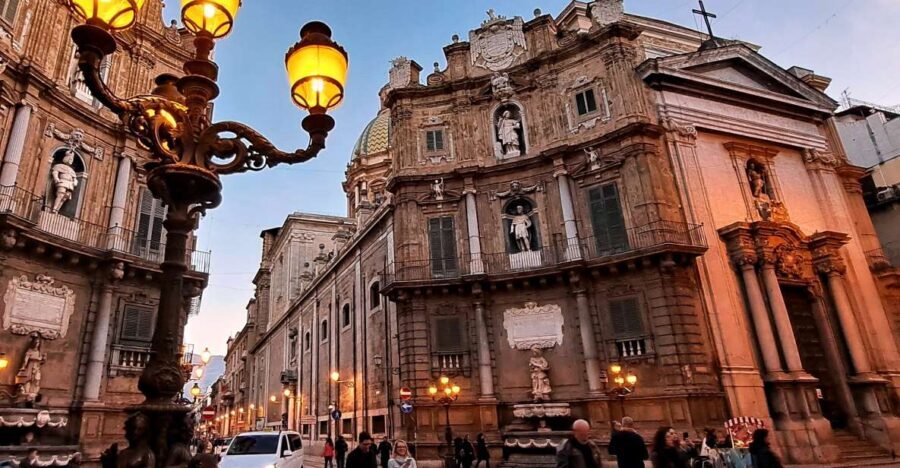
Now you get to Spaccanapoli, often described as the city’s ancient spine. Walking it with context is different from wandering it with your phone map. The guide ties what you see to why it mattered, and that makes the street feel organized instead of chaotic.
Along the way, you’ll visit the Santa Chiara Complex, including the tombs of the Bourbon Kings. It’s a reminder that Naples wasn’t just a “pretty old city.” It was a political stage too—and the art and architecture keep the score.
If you’re taking photos, this is a good stretch for it. The textures, the façades, the sense of tight space—Spaccanapoli gives you that Naples look you came for.



Gesù Nuovo and Piazza Bellini: baroque drama and modern energy
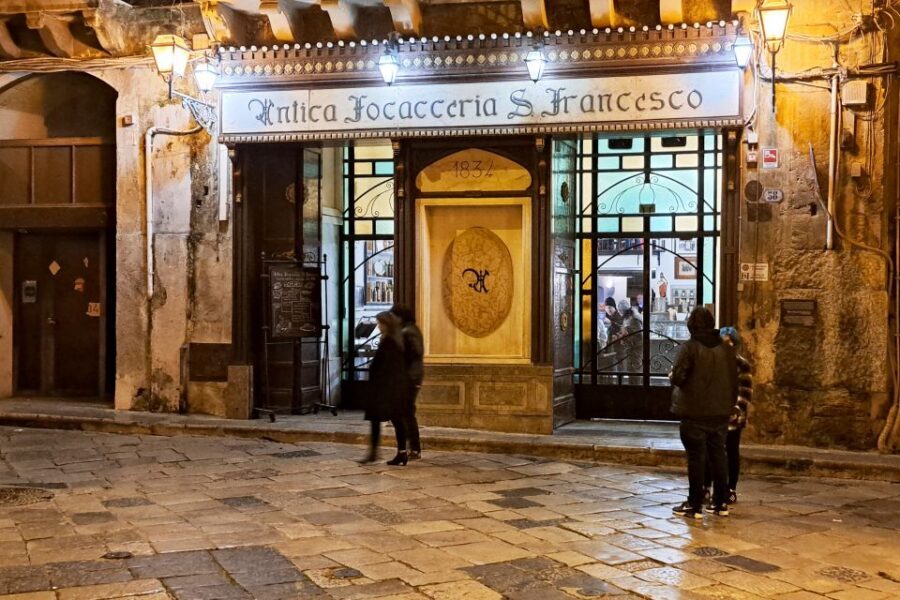
Next comes the Church of Gesù Nuovo, described as an enigmatic baroque masterpiece. Baroque churches can be overwhelming when you’re alone, because you don’t know where to look first. With a guide, you get a short list of visual cues to watch for, so the interior lands faster.
Then the tour reaches Piazza Bellini, where older layers show up next to youth culture. You’ll hear about ancient Greek walls existing nearby and also about the alternative, lively energy of the area.
You’ll also pass the conservatory tied to Ruggero Leoncavallo and Riccardo Muti, which is a neat way to connect Naples’ past to its musical future. Even if you’re not a music nerd, that link makes the neighborhood feel more than scenery.
San Domenico Maggiore: the saint-and-scholar stop
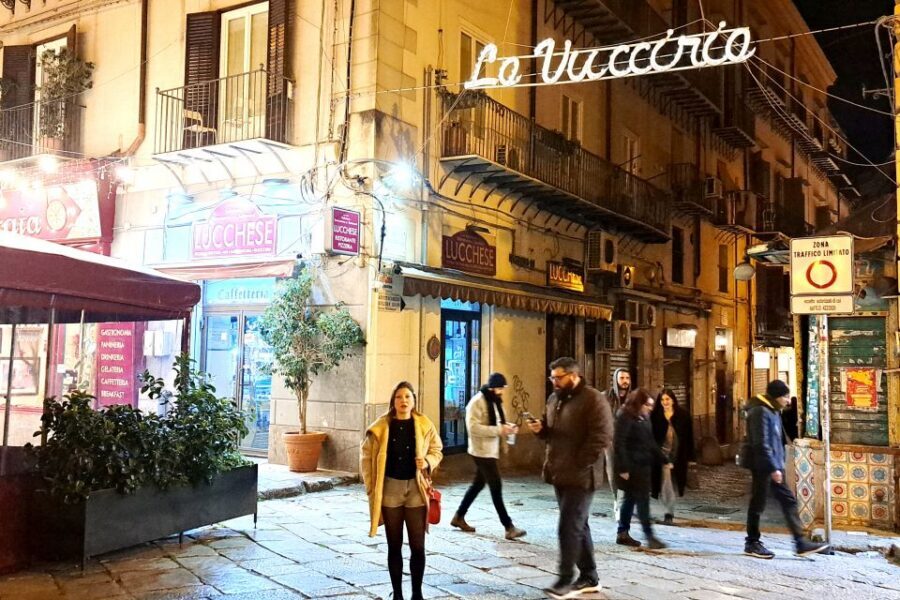
You’ll visit San Domenico Maggiore, a church and convent associated with St. Thomas Aquinas. For many visitors, this is one of those places they’d skip because it doesn’t have a single viral photo. On a guided route, it becomes a meaningful piece of the puzzle.
This stop works especially well if you like learning how religious spaces functioned in daily life, not just how they look. It’s a “why this place exists” moment.
San Gregorio Armeno Presepi: the nativity street that never tires
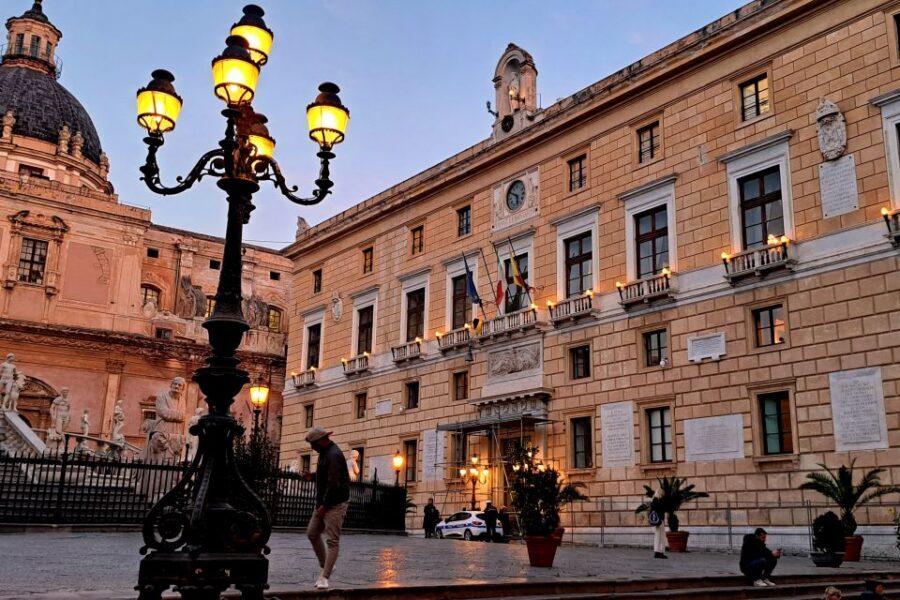
One of the most famous parts of Naples is San Gregorio Armeno, known for its “Alley of the Nativity Scenes” and the Presepi tradition. This is where the tour leans into craft, creativity, and street-level devotion.
Even if you’ve seen nativity scenes before, you’ll probably notice the Naples flavor here: the style feels local, and the street energy makes it feel ongoing rather than seasonal. It’s also a good area to slow down, because the details invite it.
Banksy mural: when modern street art walks beside ancient churches
The highlight list includes an exclusive mural by Banksy, and it fits the Naples pattern. The city doesn’t treat modern art as a separate world. It tucks it into the same walk that includes baroque churches and UNESCO streets.
When you see a mural like this on a historic route, it changes your mindset. It says Naples keeps talking to itself across eras, using whatever language is available.
San Lorenzo Maggiore and the idea of a buried city
Then the tour shifts downward—at least conceptually. You’ll visit San Lorenzo Maggiore with a focus on the buried city idea beneath the streets. Even if you only get a viewpoint rather than a full underground experience, the message is clear: Naples has layers under layers.
This is a strong stop because it reframes what you think you’re looking at. Instead of seeing the city as a single surface, you start imagining what sits under your feet. That mental image makes the rest of the walk feel more coherent.
Sansevero Chapel and the Veiled Christ area: what’s included vs extra
The route mentions the Sansevero Chapel, home of the famous Veiled Christ. The tour notes that museum admission fees aren’t included, which matters here.
So here’s what to expect in practical terms: you may get an introduction and a close look as the guide explains the context, but if you want to see the interior attraction itself, you should expect an extra ticket cost. That way you don’t get surprised when you reach the door.
San Paolo Maggiore: Roman ruins reused into something new
You’ll stand before Basilica of San Paolo Maggiore, built directly on the ruins of the Temple of the Dioscuri. The most striking detail is the reminder that in Naples, older isn’t erased. It’s used again.
The facade’s massive Corinthian columns make the point instantly: this city doesn’t treat the past like museum glass. It keeps the materials and repurposes them into new meaning.
Via Duomo and the Royal Chapel of San Gennaro: the finish that hits
The tour ends at Via Duomo, where the Cathedral awaits. You enter quietly to admire the Royal Chapel of the Treasure of San Gennaro.
This is one of those interiors where you don’t just look. You register how the city feels about its patron saint. The chapel’s gold and bronze setting creates a sense of devotion that’s almost physical, and the guide’s job is to help you read the symbolism without rushing.
Coffee and sfogliatella: a proper Naples ending (at your cost)
After the Duomo, you’ll finish with authentic Neapolitan coffee and sfogliatella in a historic pastry shop. One important practical note: food and drinks aren’t included in the tour price.
Think of this as a guided handoff. You get a trusted place to buy your sweet and caffeine, plus tips for where to keep eating like a local after the walk. If you’ve been meaning to try sfogliatella, this ending is a good moment to do it.
Price and value: is $35 for 3 hours worth it?
At $35 per person for 3 hours, this tour is aimed at real value: major monuments, UNESCO streets, and guided interpretation that connects legends to architecture. You’re not paying for a slow open-ended museum day. You’re paying for someone to point, explain, and keep you moving intelligently through tight spaces.
The main way to judge value for this specific walk is simple: will you benefit from Italian storytelling? If yes, the sights feel more alive. If no, you’ll still see impressive places, but you’ll lose the thread that makes them worth the money.
Practical tips so you enjoy every stop
Here’s how to get the most out of the route without fighting it:
- Wear comfortable shoes. The historic center can mean uneven pavement and lots of turning corners.
- Bring patience for crowds near the famous areas. The tour keeps a steady pace, but Naples isn’t empty.
- If you’re relying on sound, make sure you can hear clearly in narrow alleys. On some departures, individual earphones have been used so the guide stays audible even when it’s harder to hear in a group.
Should you book this Napoli tour alla scoperta del centro storico?
Book it if you want a guided Naples walk that mixes legend, baroque churches, and the UNESCO core, all in a tight 3-hour window. It’s especially good if you like walking tours where the story matters as much as the building.
Skip it or reconsider if your Italian isn’t strong. Since the narration is Italian only, the tour’s “mystery and soul” angle depends heavily on understanding the language. If you’re comfortable with Italian basics, this is a strong way to learn quickly and see the city’s big spiritual and artistic anchors in one go.
FAQ
Is the tour in Italian or other languages?
The tour runs in Italian only.
How long is the Napoli centro storico walking tour?
It lasts 3 hours.
Where do we meet the guide?
Meet in front of the main gate of Palazzo della Borsa.
What is included in the tour?
You’ll visit the UNESCO historic center and the Duomo, plus you’ll visit key churches such as San Domenico Maggiore and San Lorenzo Maggiore.
Are museum entrance fees included?
No. Museum admission fees are not included.
Are food and drinks included?
No. Food and drinks are not included, even though the tour ends with coffee and sfogliatella.
Can I cancel for a full refund?
Yes. Free cancellation is available up to 24 hours in advance for a full refund.
What happens if the weather is bad?
If there’s a storm or an adverse weather forecast, the tour could be postponed.
Can I reserve first and pay later?
Yes. You can reserve now and pay later, meaning you pay nothing today.