REVIEW · PALERMO
Share Your Pasta Love in Local’s Home in Palermo
Book on Viator →Operated by Cesarine: Cooking Class · Bookable on Viator
A home kitchen in Palermo is hard to beat. You’ll make fresh pasta and sauces with a real local in a small group, then eat your work together. I love the hands-on coaching (you work the dough, not just watch) and the sit-down meal with wine right after. One possible drawback: this is a home experience, so it’s not the big, showy, multi-stop tour vibe—come for food and hands-on learning, not sightseeing checklists.
This class runs about 1 hour 30 minutes, capped at 10 people, and it’s offered in English. You start with a welcome bite plus an aperitif, then you spend your time mixing, kneading, and shaping classic Sicilian-style pasta, before finishing with lunch or dinner at the table. If you’re hoping for a private “Chef’s table” atmosphere for just two people, you may find this more social and communal than that.
You’re in central Palermo territory with a meeting point near public transport, which matters when you’re trying to fit the class into a day of walking. The price is $95.18 per person, and you’ll judge value fast once you realize you’re paying for instruction, the meal, and the wine—not just a recipe handout.
In This Review
- Key Highlights You Can Actually Count On
- A Palermitan Home Kitchen, Not a Spectator Show
- The 90 Minutes: Welcome Bites to First Bite
- Three Pastas and Classic Sauces: What You’ll Actually Make
- How the Host Shapes the Experience (Rosa Maria, Antonio, and More)
- The Meal With Wine: Lunch or Dinner, Made by Your Own Hands
- Price and Value: $95.18 for Skills Plus a Shared Table
- Who This Palermo Pasta Class Suits Best
- Practical Tips: Make It Easier on Yourself
- Should You Book This Palermo Pasta Class?
- FAQ
- How long is the Palermo pasta-making class?
- Is the class in English?
- What will I make during the class?
- Is lunch or dinner included?
- Will there be wine?
- How many people are in the group?
- What’s the price per person?
- Do I need a printed ticket?
- Can I cancel for a full refund?
Key Highlights You Can Actually Count On
- Small group size (max 10): more time with your host, less waiting around.
- Fresh pasta practice: you’ll knead, shape, and learn what the dough should feel like.
- Three pasta dishes: classic shapes and sauces, served as you finish each course.
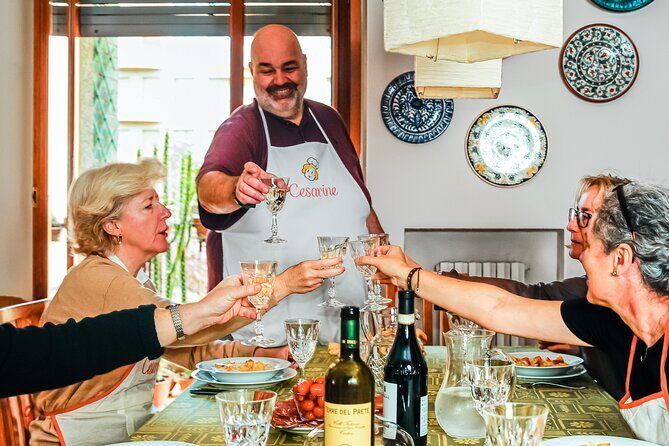
- Wine with your meal: toast together, with wine paced for the group (one bottle per three guests).
- Likely dessert finish: tiramisu shows up in multiple sessions, so plan for a sweet ending.
- Cesarine-led home experience: instruction comes from people who cook this way at home, not staged demonstrations.
A Palermitan Home Kitchen, Not a Spectator Show
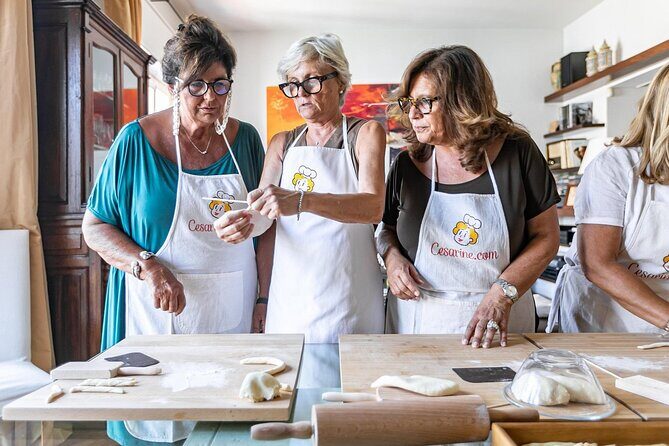
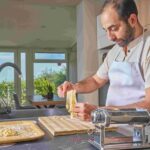
Palermo is a city built for eating, and this class matches that logic. Instead of meeting in a restaurant classroom, you’re welcomed into someone’s home kitchen—cozy, practical, and focused. That setting changes the feel of the whole experience: you’re not “doing an activity,” you’re learning the rhythms of a real family meal.
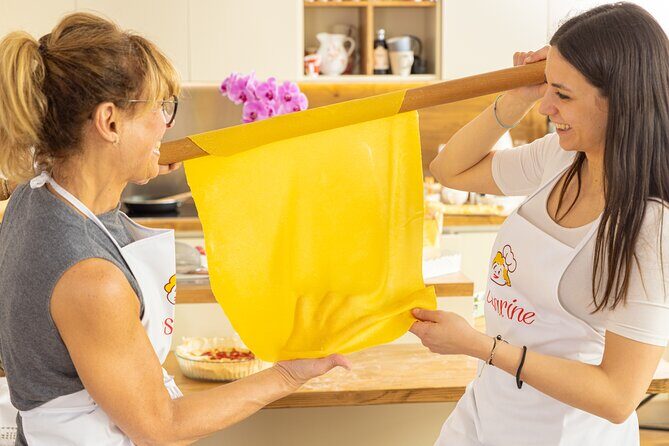
The best part is the teacher-to-dough ratio. You don’t just receive a guided slideshow. You’ll be mixing and kneading, shaping pasta, and getting feedback as you work. That’s the difference between taking home photos and taking home skills.
Another thing I like: the meal doesn’t get treated like a separate event. Once your pasta is ready, you sit down and eat. You taste what you made while it’s still part of the day’s momentum—warm, fresh, and earned.
If you're still narrowing it down, here are other tours in Palermo we've reviewed.
The 90 Minutes: Welcome Bites to First Bite
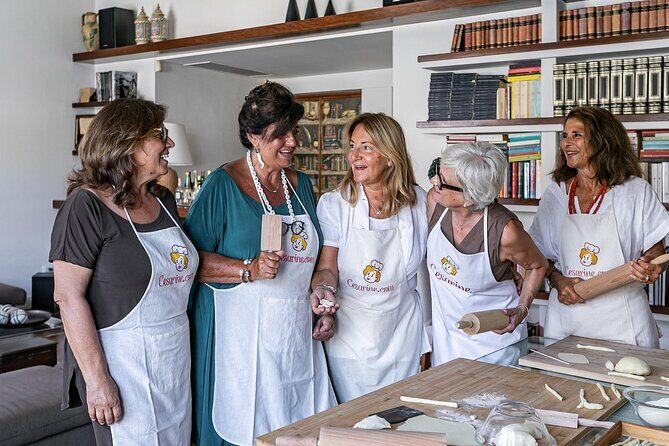
Your evening (or afternoon) starts with a traditional Italian welcome: a small appetizer plus an aperitif. This helps you settle in, meet your host, and get to know the group without the pressure of jumping straight into flour chaos.
Then you switch gears to action. Expect the classic sequence of pasta-making work:
- you mix and knead the dough
- you shape the pasta into traditional forms
- you learn the techniques behind the sauces, not just the final result
Even if your hands are new to dough, the tone stays friendly and practical. One of the most repeated strengths in the sessions is clear, step-by-step teaching—show it, explain it, then hand you the task.
Once the pasta is ready, it’s table time. You’ll gather for the meal in an Italian style that’s simple and social: toast with wine, sit together, and eat what you made. If you’re trying to build a Palermo memory that isn’t just another photo near a landmark, this format does it.
Three Pastas and Classic Sauces: What You’ll Actually Make
The class is centered on three traditional pasta dishes paired with classic sauces. The exact set can vary by session, but you’ll be working with traditional shapes and combinations that show up across Palermo cooking.
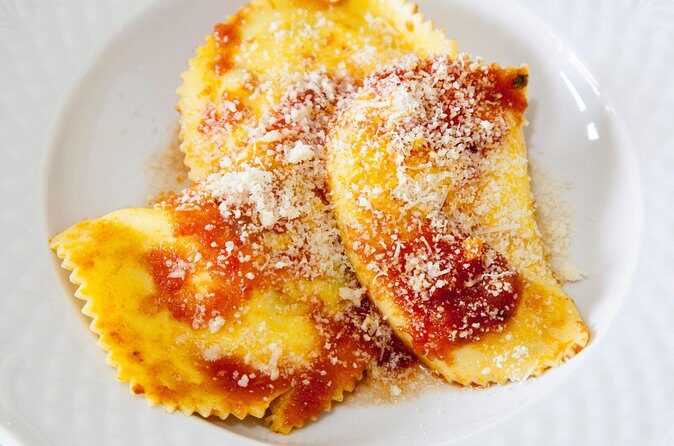
From the course menu details, you should expect fresh pasta made into forms such as busiate, ravioli, tagliatelle, gnocchi, and anellini. The overview also references other classic pasta options like scialatielli and fettuccine, plus regional sauce work.
What matters for your real-life takeaway isn’t the name of each shape. It’s the technique you learn while making them:
- how to handle and shape pasta dough properly
- how to get the right texture during preparation
- how to approach tomato sauce so it tastes like it belongs in the dish
A standout theme from the experience: teachers focus on “how” more than “what.” One host is noted for teaching sauce mastery, from the dough stage through pairing with the right flavors. Another is described as guiding you by the feel of the dough—texture, timing, and consistency—so you’re not relying only on visual cues.
How the Host Shapes the Experience (Rosa Maria, Antonio, and More)
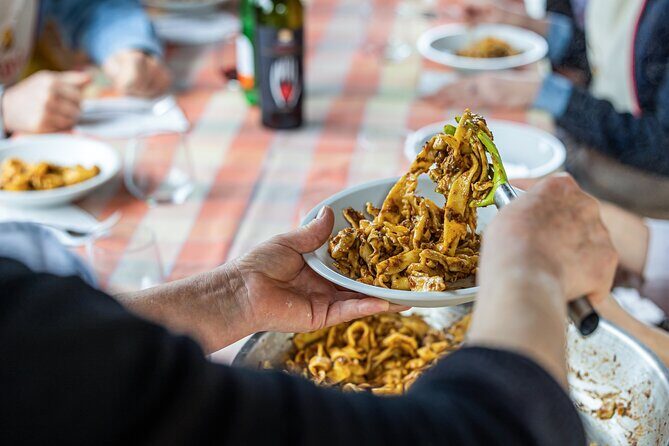
This is a Cesarine Cooking Class, meaning the focus stays on authentic home cooking and hands-on instruction. In Palermo sessions, you may work with hosts described as excellent teachers in both warmth and technique. Names that come up include Rosa Maria, Antonio, Velia Figuccia, and Pina Liguori.
Even if you don’t know them going in, you’ll feel the difference in the teaching style. The sessions are described as family-like, with clear explanations and modeling of steps before you try them. Several people highlight the same big idea: you learn tricks that you can’t really pick up from a video—things like how the dough should feel at key moments and what to focus on when building a sauce.
That matters because it changes what you can repeat later at home. It’s one thing to copy a recipe. It’s another to know how to troubleshoot dough and sauce when your kitchen is different from theirs.
The Meal With Wine: Lunch or Dinner, Made by Your Own Hands
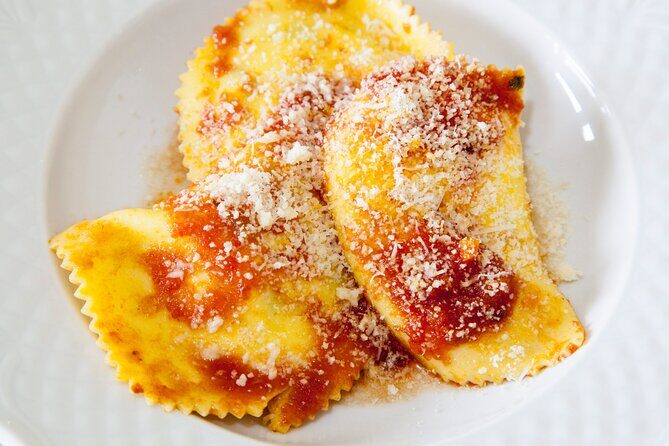
The “finish” is a real meal, not a snack. After the pasta-making, you sit down to eat the dishes you prepared. You’ll toast with wine, with one bottle shared per three guests, so the vibe stays communal without turning into a party.
This part is worth planning around. You’re spending 1.5 hours doing physical prep work, so you want to arrive with a good appetite and not with a tight schedule that makes you rush through the meal.
If you’re a “taste first, learn later” person, you might think you’ll enjoy the eating more than the cooking. But what makes this class work is that you eat in the same flow as the instruction. You understand what went into the dish while you taste it—flour to dough to sauce to fork.
In multiple sessions, tiramisu is mentioned as part of the final spread. So if you have room for dessert, do not plan to skip it.

Price and Value: $95.18 for Skills Plus a Shared Table
At $95.18 per person, this isn’t a cheap cookie-cutter workshop. But it often feels fair once you look at what’s included in the experience format:
- Instruction during active dough work (not just a demo)
- Three pasta dishes made and served
- A meal with wine afterward
- A small-group setting (max 10) that keeps the attention closer
Value is about whether you’re buying a skill or a souvenir. This is a skill purchase: you’re leaving with techniques you can repeat—how to work dough, how to approach sauce, and how to get results you can taste immediately.
And because it’s in a home, the atmosphere tends to be less performative than what you’d get in a restaurant cooking show. You’re paying for that genuine “we cook like this at home” feeling, plus the shared meal that follows.
Who This Palermo Pasta Class Suits Best
This is a great fit for you if:
- you want hands-on cooking rather than watching from the sidelines
- you like small-group experiences with real conversation
- you’re in Palermo for a short stay and want one food-focused activity that feels local
- you want to learn pasta techniques you can actually use later
It’s also good if you’re traveling with kids. Several descriptions mention children having fun during the session—partly because the work is tactile and the kitchen becomes a playground when someone is guiding you step by step.
I’d be a little cautious if:
- you prefer large, guided sightseeing tours and want lots of places checked off
- you dislike hands-on food prep (this is flour-and-sauce real life)
Practical Tips: Make It Easier on Yourself
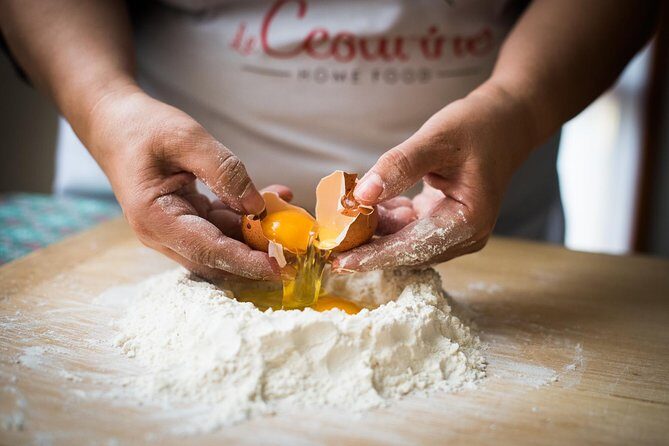
Here’s how to get the most out of a home pasta class in Palermo:
- Wear something you don’t mind getting messy. Pasta dough is friendly but it’s still dough.
- Plan to eat. You’ll be making dishes and then sitting down for the meal, so treat the class like a real stop in your day.
- Ask questions early. If you’re English-speaking, ask your host what they want you to focus on while you knead and shape.
- Go with curiosity about the sauce. The instruction often includes sauce tricks, and that’s where many people realize they’ve been missing something at home.
- Bring your appetite for feedback. The best learning comes when you correct small things right away, not after you’ve already moved on.
One more tip: if you want to remember details, jot down a few notes on texture, timing, and what your host emphasizes. The technique is the valuable part, and you’ll thank yourself later.
Should You Book This Palermo Pasta Class?
Book it if you want a real local-home food experience in Palermo, with hands-on pasta work, a shared table, and wine. The combination of small group size, fresh pasta instruction, and actually eating what you make is hard to beat for the price.
Don’t book it if you want a big tour machine, lots of stops, or a strictly sightseeing day. This is about cooking and sitting down to eat together.
If you’re even mildly excited about pasta, you’ll likely leave with more than dinner—you’ll leave with practical technique, a fuller sense of Palermo cooking, and a story that’s about your hands, not just your camera.
FAQ
How long is the Palermo pasta-making class?
It runs about 1 hour 30 minutes.
Is the class in English?
Yes, it’s offered in English.
What will I make during the class?
You’ll learn to create three traditional pasta dishes with classic sauces, including fresh pasta like busiate, ravioli, tagliatelle, gnocchi, and anellini (depending on the session).
Is lunch or dinner included?
Yes. The dishes you prepare are served for lunch or dinner.
Will there be wine?
You’ll toast with wine as part of the meal, with one bottle shared per three guests.
How many people are in the group?
The class is limited to a maximum of 10 travelers.
What’s the price per person?
The price is $95.18 per person.
Do I need a printed ticket?
No. You’ll receive a mobile ticket.
Can I cancel for a full refund?
Yes. Cancellation is free up to 24 hours in advance of the experience start time for a full refund.