REVIEW · PALERMO
Palermo: Sicilian Bread Masterclass
Book on GetYourGuide →Operated by RistHome – Private Chef & Maestro of Mediterranean Fine Dining · Bookable on GetYourGuide
Bread can tell a whole story in Palermo. This masterclass turns Sicilian bread into the main event, teaching you how Palermitano, Monreale, and brioscine differ in dough work and final bite, all in a culture-first setting in Sicily.
I love the practical, hands-on teaching, especially when it comes to kneading and baking cues you can actually repeat at home. I also love that you leave with recipes and helpful ingredient sourcing tips, so it’s not just a fun evening—it’s skills you can use.
One possible drawback: it’s a focused 2-hour food-and-bread experience, so come with an appetite and don’t plan to squeeze in a full meal right before.
In This Review
- Key things to know before you go
- Bread isn’t a side dish here: what the class really gives you
- Palermo bread styles: Palermitano, Monreale, and brioscine
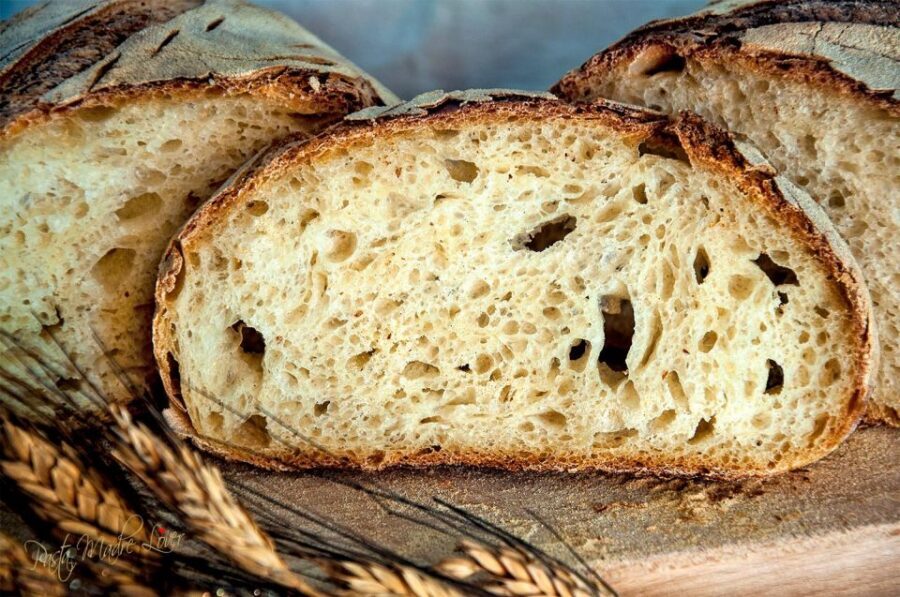
- Palermitano: the everyday loaf with personality
- Monreale: technique meets a different flavor profile
- Brioscine: lighter, shaped, and made for eating
- Kneading and baking: the lessons that actually transfer to your kitchen
- Ingredient selection: why flour and other choices matter
- Kneading: learning the feel, not just the time
- Baking: timing and cues over guesses
- The tasting part: connecting technique to flavor (and enjoying the feast)
- Skip the wait, meet the teacher: what the experience feels like
- Recipes you can bring home: how to keep the bread momentum going
- Where to fit it in your Palermo trip
- Price and value: what you’re paying for beyond ingredients
- Who this is best for—and who might want a different plan
- Should you book Palermo: Sicilian Bread Masterclass?
- FAQ
- How long is the Palermo Sicilian Bread Masterclass?
- Where does the class take place?
- Which breads will I learn to make?
- Will I get to taste the breads?
- What languages are available during the class?
- Is there a separate entrance to avoid waiting?
- Is the masterclass wheelchair accessible?
- Can I cancel for a full refund?
- Do I have to pay immediately?
Key things to know before you go
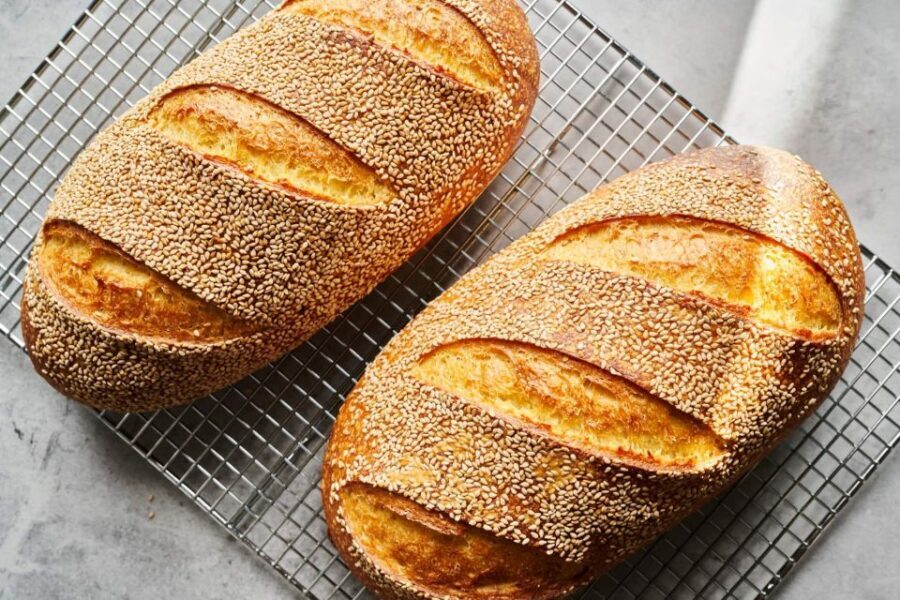
- Three bread styles, not just one: Palermitano, Monreale, and brioscine
- Baking know-how, with guidance on ingredients, kneading, and oven timing
- Final tastings that help you connect technique to flavor (and you’ll likely want wine)
- Chef Giacamo’s teaching style, friendly and engaging, with recipes included
- Multiple languages offered (Italian, English, Spanish, French, German)
Bread isn’t a side dish here: what the class really gives you
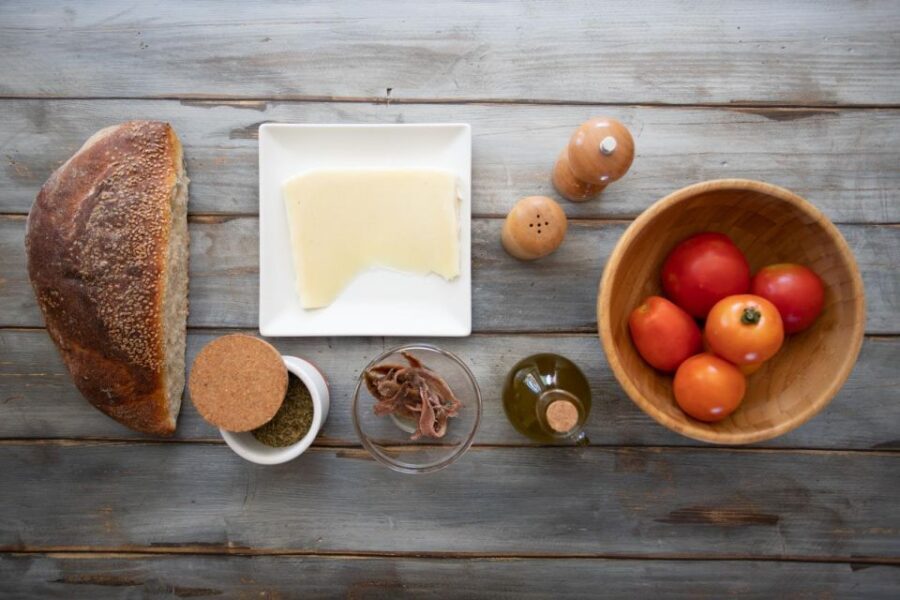
Sicily has a habit of treating food like it belongs in the story of everyday life. In this masterclass, that idea lands fast: bread is not background. It’s the craft, the culture, and the reason you’re there.
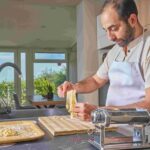
In about two hours, you work through the main steps that make Sicilian bread distinct: ingredient choice, how you handle the dough, and how you bake it so the crumb and crust make sense. The goal isn’t just learning motions. It’s learning why the bread behaves the way it does.
And you get choices for where to do it. You can join the class in a state-of-the-art Palermo facility, or you can opt for the comfort of your own home. That matters if you’re traveling with someone who gets tired easily, or if you just prefer a calmer setting over a shared space.
If you're still narrowing it down, here are other tours in Palermo we've reviewed.

Palermo bread styles: Palermitano, Monreale, and brioscine
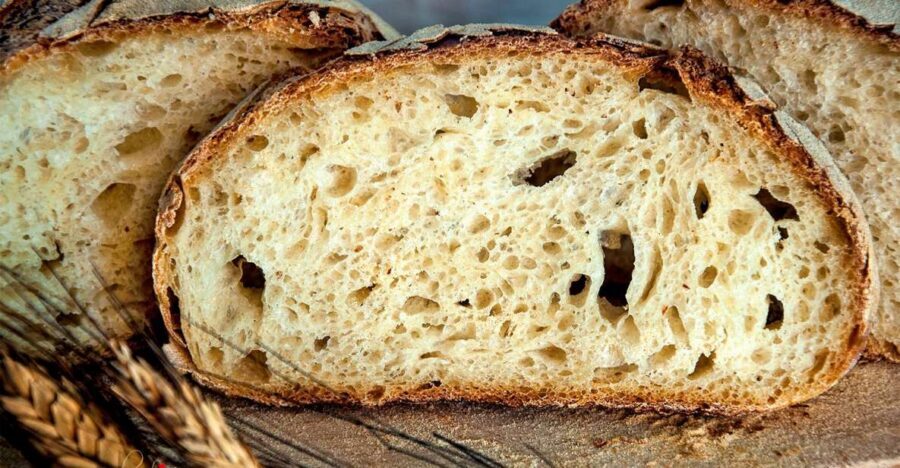
This is the part I think most people underestimate. They hear bread class and expect one result. Instead, you’re taught three bread types, each with its own identity.
Palermitano: the everyday loaf with personality
Palermitano is the kind of bread that feels like it belongs at the center of a table. You’ll focus on the dough work and how you shape it, because the way you handle gluten development and fermentation influences the final texture.
What you’ll learn to watch for is practical: how dough feels as you knead, what it looks like as it relaxes, and how baking transforms it. Once you taste it after learning the process, it’s easier to understand why local bakers trust their method.
Monreale: technique meets a different flavor profile
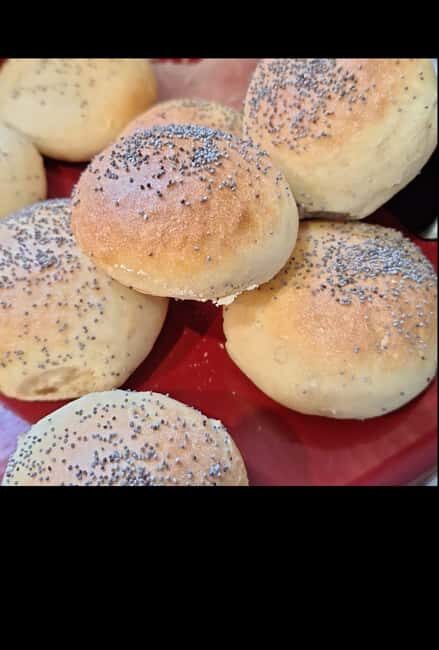
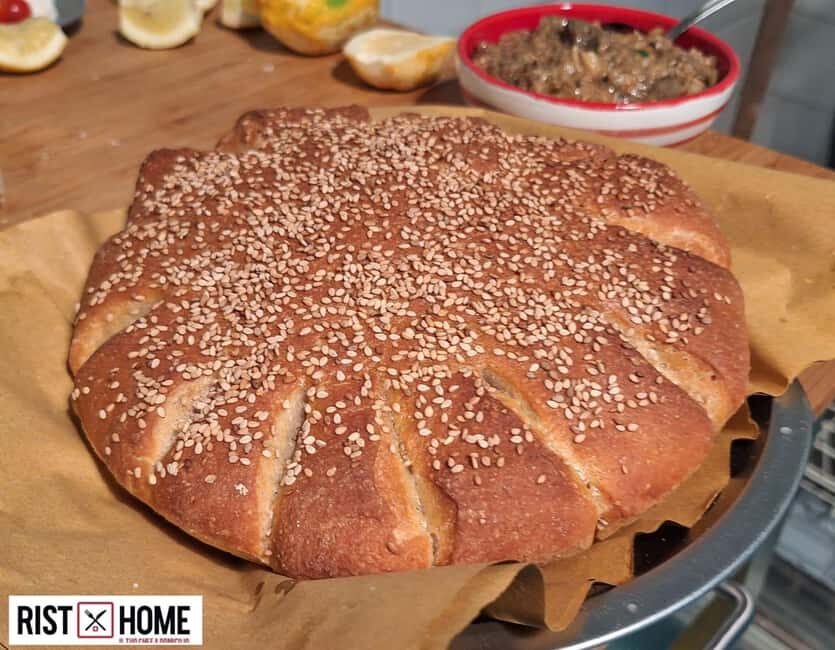
Monreale bread comes with its own character. The lesson here is that “bread” isn’t one fixed recipe. It’s a family of techniques that shift depending on the bread style.
You’ll see how changes in dough handling and baking approach affect flavor and structure. Then you get the rare payoff: you taste the difference at the end, while the method is still fresh in your hands.
Brioscine: lighter, shaped, and made for eating
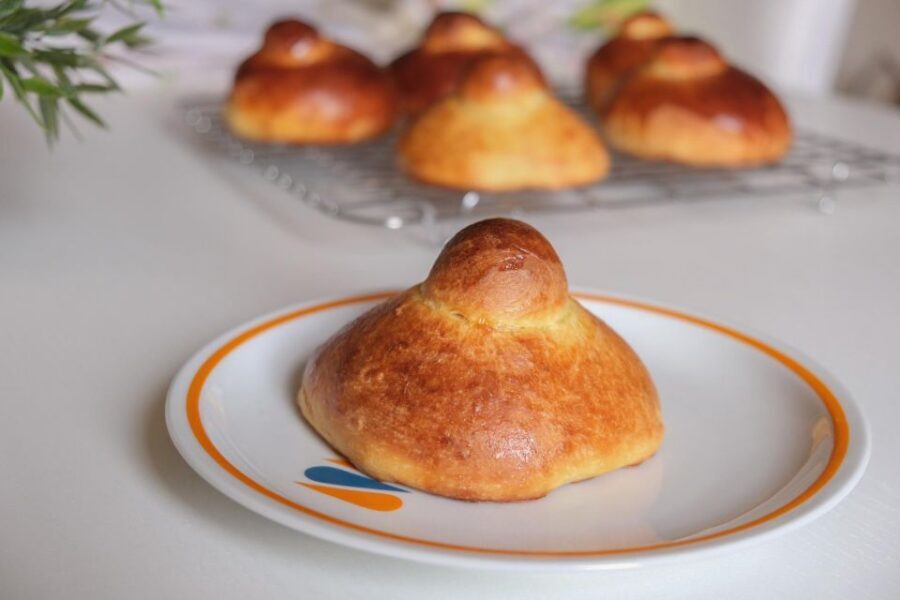
Brioscine bring a different vibe to the table. Even if you’ve baked bread before, this is where you can learn new handling and form. The class frames brioscine as part of Sicilian culinary diversity, meaning it’s not just about wheat and water—it’s about what you do with the dough to create a specific bite.
If you like bread with a softer or more snackable feel, brioscine are often where people get most excited. You’ll finish the experience with a better sense of how shape, baking, and dough feel all team up.

Kneading and baking: the lessons that actually transfer to your kitchen
Most cooking classes teach you recipes. This one aims to teach the thinking behind them. The difference shows up in how the expert bakers guide you through ingredient selection, kneading, and baking.
Ingredient selection: why flour and other choices matter
You’re not just dumping ingredients into a bowl. The instruction focuses on why specific ingredients are chosen for Sicilian bread styles. That’s useful for you later, because bread can turn out great or disappointing based on what you use.
Also, one of the standout takeaways from the teaching style here is guidance on sources for flours and ingredients. That’s a big deal if you want your homemade bread to taste like the bread you learned from—not like a generic loaf.
Kneading: learning the feel, not just the time
Kneading is where people either get obsessed or give up. In this class, you get the chance to connect the feel of dough with the likely outcome. Expect guidance on how to develop dough strength without overdoing it.
If you’re the type who follows a timer, you’ll still get value. But if you’re the type who likes to read dough with your hands, you’ll probably get even more out of the session.
Baking: timing and cues over guesses
Baking is where bread either rewards you or punishes you. The class teaches you to pay attention to the cues that show the loaf is ready. That helps when you’re replicating results at home, where ovens run hot, cool, and weird.
By the time you taste the breads, you’ll understand how baking choices translate into crust, crumb, and overall flavor.
The tasting part: connecting technique to flavor (and enjoying the feast)
Bread classes can be dry if you’re not careful. Here, the end tasting is a key moment: you don’t just leave with knowledge. You leave with proof.
You’ll taste the different breads created during the session, and the experience is designed to help you recognize what changed in the dough work and bake. That is how you become a better home baker—one where you can diagnose what went wrong, instead of blaming the universe.
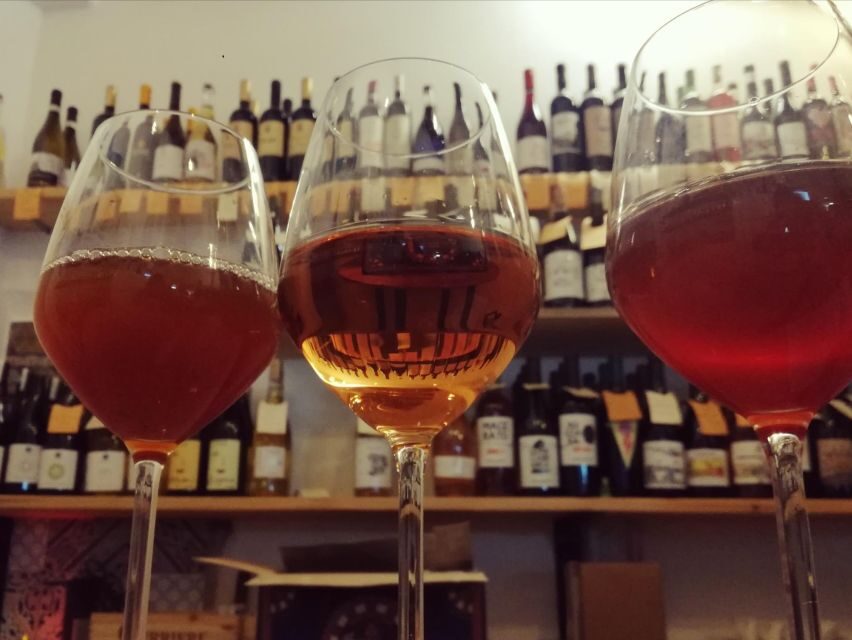
Food and drink are part of the experience too. In past sessions, people have highlighted that there’s plenty to eat and that wine is involved. Translation: this isn’t a snack-sized event. It’s a proper, satisfying stop.
Practical tip: go hungry. If you show up after a big meal, you’ll miss the full point of the tasting.
Skip the wait, meet the teacher: what the experience feels like
Logistics matter less than people think—until they don’t. This class includes skip-the-line access through a separate entrance. That means less time hovering outside and more time getting to work.
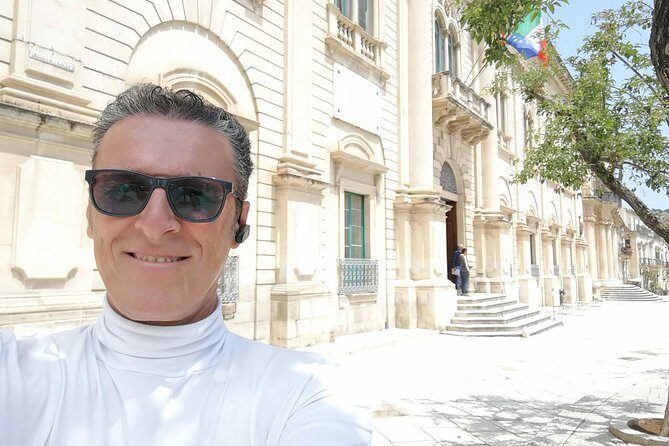
Then there’s the teacher. The instructor is Giacamo (spelled slightly differently in different mentions), and the teaching style comes through as warm, engaging, and hands-on. People describe the vibe as friendly and generous, with lots of chatting and laughter mixed into the practical steps.
Language support is also a real advantage. The class is offered in Italian, English, Spanish, French, and German, so you don’t need to rely on guessing what’s being said while you’re trying to handle sticky dough. If you’re traveling with mixed-language companions, this helps a lot.
Recipes you can bring home: how to keep the bread momentum going
Here’s what I’d call the difference between a fun class and a useful one: you’ll get recipes, plus helpful practical advice on ingredients. That’s the part that makes it easier to try again instead of letting the memory fade.
After the masterclass, you’ll likely want to replicate the breads you made. The most helpful approach is simple:
- Start with one bread type, not all three.
- Use the ingredient guidance you were given, especially the flour.
- Treat baking cues as your compass, not just your timer.
If you’re already someone who likes baking, you’ll probably enjoy the specificity. If you’re a beginner, you’ll enjoy the fact that you learn process steps you can follow again.
Where to fit it in your Palermo trip
This is a 2-hour experience in Sicily, based in Palermo (with an option for home service). That makes it easy to slot into a day that already includes markets, historic streets, and good coffee.
I like planning it earlier rather than late. Not because you’ll be exhausted, but because you’ll want fresh appetite and energy for the tasting.
Also, remember that bread-making is messy by nature. Even if everything is handled carefully, you might end up feeling like you’ve spent time in flour country. Dress accordingly.
Price and value: what you’re paying for beyond ingredients
You didn’t come for a piece of bread—you came for skills. That’s the value story here.
You’re paying for:
- Hands-on instruction across three bread styles
- Baking and dough technique coaching (not just watching)
- Final tastings that tie technique to flavor
- Recipes plus guidance on ingredient choices
If you’re the kind of traveler who loves one “do something” experience instead of collecting photos, this is a strong match. Bread is cheap on paper, but the time and coaching aren’t. You’re buying time with expert bakers and a structured way to learn what usually takes years of trial and error.
Who this is best for—and who might want a different plan
This masterclass is ideal for:
- Food lovers who like learning the method, not just eating
- People who want a Sicilian experience that’s more local than generic pasta and pizza
- Home bakers (even serious ones) who want technique reinforcement and ingredient guidance
- Travelers who enjoy tasting their own work and comparing results
It may be less ideal if:
- You want only light food and no hands-on work
- You’re tight on time and hate spending two focused hours in one place
- You prefer browsing and sightseeing over making things
Should you book Palermo: Sicilian Bread Masterclass?
If you want a Palermo experience that feels grounded in daily life, this is a great choice. You’ll come away knowing how Palermitano, Monreale, and brioscine connect to ingredients, kneading, and baking—and you’ll taste the difference while it’s still fresh.
Book it if you like practical instruction, recipes you can actually use, and the feeling of finishing something with your own hands. Skip it only if you’re looking for a quick snack event or you’re not interested in dough work.
One last nudge: plan to arrive hungry, wear clothes you don’t mind getting a little flour-adjacent, and bring curiosity. Bread is serious here—in the best way.
FAQ
How long is the Palermo Sicilian Bread Masterclass?
The experience lasts 2 hours.
Where does the class take place?
It is offered in Sicily, Italy. You can choose the class at a state-of-the-art facility in Palermo or opt for a home option.
Which breads will I learn to make?
You’ll learn techniques for crafting Palermitano, Monreale, and brioscine breads.
Will I get to taste the breads?
Yes. The experience includes a final tasting.
What languages are available during the class?
The instructor speaks Italian, English, Spanish, French, and German.
Is there a separate entrance to avoid waiting?
Yes. The experience includes skip-the-line access through a separate entrance.
Is the masterclass wheelchair accessible?
Yes, it is wheelchair accessible.
Can I cancel for a full refund?
You can cancel up to 24 hours in advance for a full refund.
Do I have to pay immediately?
No. You can reserve now and pay later, with the option to book your spot and pay nothing today.